Cabergoline Oral
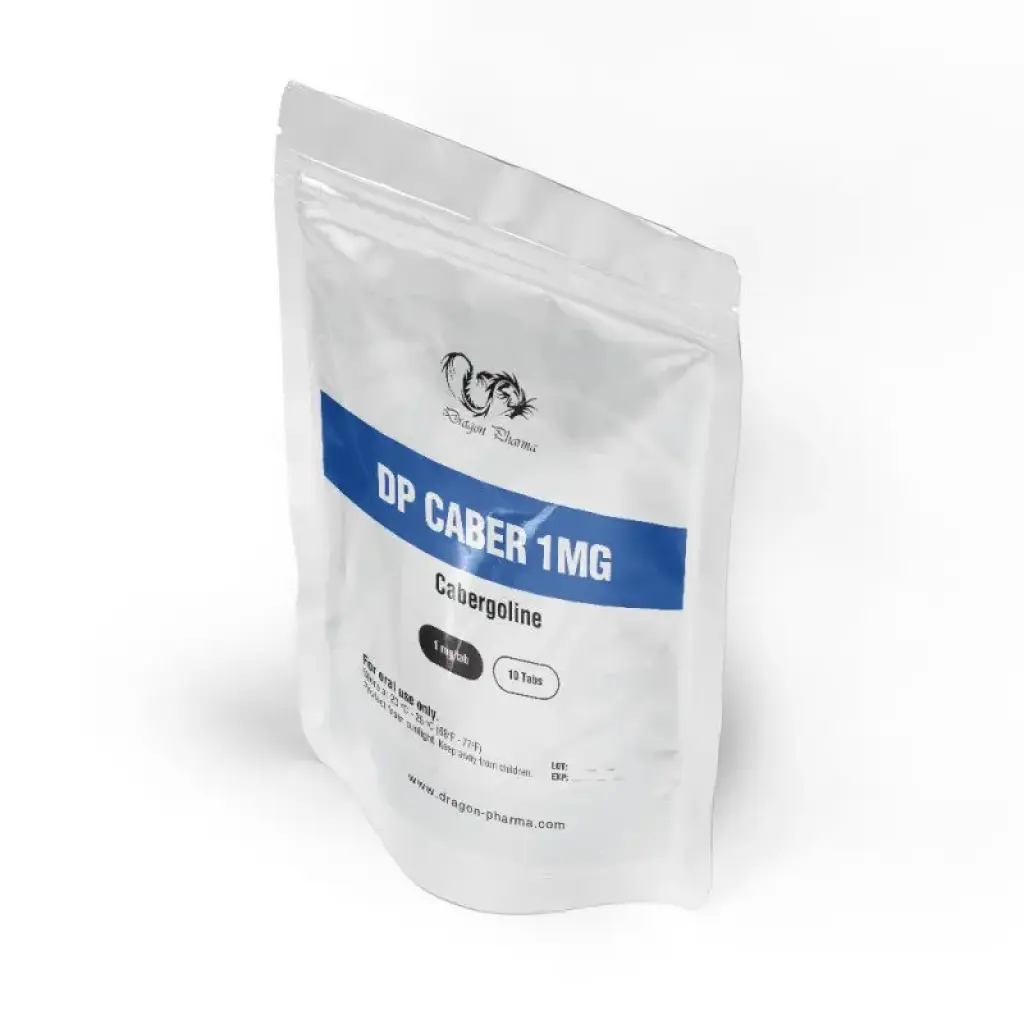
Caber 1 mg contains cabergoline, a long-acting dopamine D2 receptor agonist. In medical practice, cabergoline is indicated for the treatment of hyperprolactinemic disorders, either idiopathic or due to pituitary adenomas. In bodybuilding and performance-enhancement contexts, cabergoline is commonly referenced for managing prolactin levels that can become elevated during cycles involving 19-nor compounds such as nandrolone or trenbolone.
Cabergoline works by stimulating dopamine receptors in the pituitary gland, which inhibits the secretion of prolactin. This mechanism is distinct from aromatase inhibitors, which address estrogen rather than prolactin. Elevated prolactin can contribute to side effects including gynecomastia, sexual dysfunction, and mood disturbances, which is why some individuals incorporate a dopamine agonist during specific cycles.
Dragon Pharma's Caber 1 mg provides a convenient oral format for prolactin management. The 1 mg strength allows for flexible dosing, as common reference ranges for cabergoline in bodybuilding contexts typically fall below this amount per administration. Non-medical use of cabergoline for prolactin management during performance-enhancement cycles falls outside approved medical indications and should be approached with caution.
Key Benefits of Caber 1 mg
- Potent dopamine D2 receptor agonist for prolactin suppression
- Long half-life supports infrequent twice-weekly dosing
- Oral tablet format for convenient administration
- Commonly referenced alongside 19-nor compound cycles
- 1 mg strength allows flexible dose splitting
Long-Acting Dopamine Agonist
Cabergoline belongs to the ergot derivative class of dopamine agonists. It binds selectively to dopamine D2 receptors in the pituitary gland, inhibiting prolactin secretion by lactotroph cells. Unlike shorter-acting dopamine agonists, cabergoline's extended half-life of approximately 63–68 hours allows for twice-weekly dosing in most clinical contexts.
In bodybuilding contexts, cabergoline is most frequently encountered as a prolactin management tool during cycles involving 19-nor compounds. Nandrolone and trenbolone can stimulate prolactin production through progestogenic activity, and elevated prolactin may contribute to side effects that are not fully addressed by aromatase inhibitors alone.
The distinction between managing estrogen and managing prolactin is important. Aromatase inhibitors address estrogen conversion, while dopamine agonists like cabergoline target prolactin directly. Some individuals may require attention to both pathways during certain cycles.
Half-Life
Extended Duration of Action
Cabergoline has a long elimination half-life, typically cited at approximately 63–68 hours. This supports the twice-weekly dosing schedules commonly referenced in both clinical and non-medical contexts.
Caber 1 mg vs Other Dragon Pharma Preparations
Dragon Pharma offers a range of compounds relevant to cycle support and hormonal management. Caber 1 mg is positioned as a prolactin management tool, complementing aromatase inhibitors and other ancillary products.
For estrogen management, Dragon Pharma offers Arimidex and Aromasin. For post-cycle recovery, Clomid and Nolvadex are commonly referenced. When prolactin is a specific concern during 19-nor cycles, Caber 1 mg provides a targeted option.
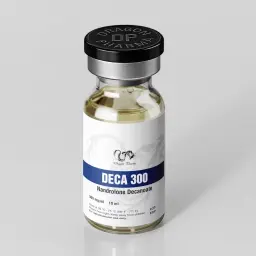
Dragon Pharma also manufactures a range of anabolic compounds, including Deca 300, which are among the cycle contexts where prolactin management is most often discussed.
Typical Dosage Ranges
In medically supervised settings, cabergoline dosing is individualized based on serum prolactin levels and clinical response. In non-medical bodybuilding contexts, cabergoline is commonly referenced at 0.25–0.5 mg twice per week, typically reserved for cycles where prolactin elevation is a concern. Such use falls outside approved medical indications.
| Use Case |
Common Reference Range |
Frequency |
| Medical (hyperprolactinemia) |
0.25–1 mg per dose |
Twice weekly, titrated |
| Bodybuilding (non-medical) |
0.25–0.5 mg |
Twice weekly |
| Cycle support (19-nor) |
Initiated only if prolactin elevated |
Per bloodwork |
Caber 1 mg tablets may require splitting to achieve commonly referenced doses below 1 mg.
Stacking & Cycle Considerations
Cabergoline is not an anabolic compound and is not stacked for muscle-building purposes. It is used as a support ancillary in cycles where prolactin management is a concern, most commonly those involving 19-nor compounds. Dragon Pharma offers Deca 300 as an example of a 19-nor product where prolactin may be elevated.
Prolactin management is generally approached reactively based on bloodwork rather than preventatively. Baseline prolactin testing before cycle initiation and periodic monitoring during cycle can help determine whether intervention is warranted.
Managing Side Effects
Cabergoline can cause side effects including nausea, headache, dizziness, and orthostatic hypotension. Starting with lower doses and splitting tablets may help minimize these effects. High doses and prolonged use have been associated with cardiac valvulopathy and fibrotic reactions, which is one reason prolactin management is approached conservatively.
Cabergoline is not an aromatase inhibitor and does not address estrogen-related side effects. Estrogen management requires separate consideration, and Dragon Pharma offers Arimidex for that purpose.
Post-Cycle Therapy
Cabergoline is not typically part of standard post-cycle therapy protocols, which focus on restoring endogenous testosterone production. PCT compounds such as Clomid address the hypothalamic-pituitary-gonadal axis rather than prolactin.
Important
Individual Response Varies
Dosing strategies and support protocols should be adjusted based on experience level and bloodwork where possible. The information above is for educational reference and does not constitute medical advice.
Important Safety Information
Cabergoline is indicated for the treatment of hyperprolactinemic disorders. Clinical evaluation before initiation typically includes assessment for valvular heart disease, including echocardiographic evaluation. Use of cabergoline at supraphysiologic levels or for non-medical purposes falls outside approved indications.
Important
Non-Medical Use
Non-medical use of cabergoline for prolactin management during performance-enhancement cycles is not approved by regulatory agencies and may carry additional health risks. Product quality does not establish that non-medical use is safe or appropriate.
Potential Adverse Effects
Cabergoline has been associated with cardiac valvulopathy, particularly at higher cumulative doses. Fibrotic reactions affecting the pericardium, pleura, and retroperitoneum have also been reported. Patients should report symptoms such as shortness of breath, chest pain, persistent cough, or swelling in the extremities.
Common side effects include nausea, headache, dizziness, and orthostatic hypotension. Impulse control disorders, including pathological gambling, hypersexuality, and compulsive spending, have been reported and should be monitored.
Cabergoline may worsen pre-existing psychotic disorders and should be used with caution in patients with significant hepatic impairment.
Conditions Requiring Medical Evaluation
Cabergoline is contraindicated in patients with uncontrolled hypertension, known hypersensitivity to ergot derivatives, history of cardiac valvular disorders, or history of pulmonary, pericardial, or retroperitoneal fibrotic disorders. Pre-treatment cardiac evaluation, including echocardiography, is recommended.
Monitoring During Therapy
Medically supervised cabergoline therapy typically involves periodic monitoring of serum prolactin levels and cardiac function, with echocardiographic evaluation at intervals of 6–12 months or as clinically indicated. Laboratory testing of the product itself is separate from clinical monitoring of the individual.
Product Care
Storage & Handling
Keep the product securely stored and protected from conditions that could compromise the tablets or packaging. Inspect the product before use and do not use if it appears damaged or otherwise abnormal. Keep all medications out of the reach of children.
Further Safety Information
USA Domestic 3–5 business days
International 10–15 business days
Order Processing 24–48 business hours
Tracking Provided after dispatch
Direct Supply
Discreet Delivery & Original Packaging
The outer shipping package remains discreet, with privacy-focused handling and no unnecessary external product details. Products are supplied through the official Dragon Pharma distribution chain.
What to Expect
- Orders are processed after payment confirmation
- USA Domestic shipping is typically faster when local stock is selected
- International orders include tracking, though update frequency may vary by destination
- Multiple warehouses may result in separate shipments when applicable
Authenticity Verification
To verify your Caber 1 mg product, use the security code on the packaging and cross-check it on the Dragon Pharma official site. Official Dragon Pharma presentation and original packaging help reinforce product legitimacy and buyer confidence.
Recommended Conditions
Store in a cool, dry place at controlled room temperature (15–25°C). Protect from excessive heat, moisture, and direct light. Keep the tablets in their original packaging until use.
Do not use if the packaging appears damaged or if the tablets show signs of deterioration. Keep out of reach of children.
Quick Reference
Do & Don't
- Do store at 15–25°C
- Do keep in original packaging
- Do inspect before use
- Don't expose to excessive heat
- Don't store in humid environments
- Don't use if packaging is compromised
What is Caber 1 mg used for?
Caber 1 mg contains cabergoline, a dopamine agonist. In medical practice it is used for hyperprolactinemic disorders. In bodybuilding contexts, it is commonly referenced for prolactin management during cycles involving 19-nor compounds like nandrolone or trenbolone. This falls outside approved medical indications.
How often should Caber 1 mg be taken?
Cabergoline has a long half-life and is typically referenced at once or twice weekly dosing. In non-medical bodybuilding contexts, common reference points are 0.25–0.5 mg twice per week. Caber 1 mg tablets may require splitting to achieve these doses.
Does Caber 1 mg require PCT?
Cabergoline is not part of standard post-cycle therapy, which focuses on restoring endogenous testosterone production. PCT compounds like Clomid and Nolvadex address the HPTA rather than prolactin.
What does cabergoline do?
Cabergoline stimulates dopamine D2 receptors in the pituitary gland, which inhibits prolactin secretion. In medical contexts, this treats hyperprolactinemia. In bodybuilding, this mechanism is used to manage prolactin that may become elevated during certain cycles.
How long does cabergoline take to work?
Cabergoline begins lowering prolactin shortly after administration, though its full effect and duration depend on individual factors. Its long half-life supports sustained activity between doses. Bloodwork can confirm whether prolactin levels have responded.
Is cabergoline the best prolactin management option?
Cabergoline is one of several options for prolactin management. Other approaches include pramipexole and vitamin B6. The appropriate choice depends on individual response and circumstances. Cabergoline's long half-life makes it convenient for twice-weekly dosing.
What is the difference between cabergoline and Arimidex?
Cabergoline manages prolactin, while Arimidex manages estrogen. They address different hormonal pathways. Some cycles may require attention to both, depending on the compounds used and individual response.
What is the difference between cabergoline and Aromasin?
Cabergoline targets prolactin through dopamine receptor agonism, while Aromasin is a steroidal aromatase inhibitor that reduces estrogen. They are used for different purposes and are not interchangeable.
Is 1 mg of cabergoline a lot?
In non-medical bodybuilding contexts, commonly referenced cabergoline doses are lower than 1 mg per administration, typically 0.25–0.5 mg. The 1 mg strength of Caber 1 mg allows for splitting to achieve these lower doses. Dosing should be individualized and is not a substitute for medical guidance.
What strength is Caber 1 mg?
Caber 1 mg is labeled at 1 mg of cabergoline per tablet. It is supplied in a 10-tablet package, giving 10 mg of total labeled cabergoline content.
Can cabergoline cause heart problems?
Cabergoline has been associated with cardiac valvulopathy, particularly at higher cumulative doses. Fibrotic reactions have also been reported. These risks are one reason prolactin management is approached conservatively and why medical monitoring may include echocardiographic evaluation.
No reviews found
Please log in to write Caber 1 mg review.