Important Safety Information
Anabolic steroids including oxymetholone have boxed warnings for peliosis hepatitis, a condition in which liver and sometimes splenic tissue is replaced with blood-filled cysts. These cysts are sometimes present with minimal hepatic dysfunction but have been associated with liver failure and intra-abdominal hemorrhage.
Oxymetholone is contraindicated in pregnancy (Category X), known or suspected carcinoma of the prostate or male breast, carcinoma of the breast in females with hypercalcemia, nephrosis, and severe hepatic dysfunction.
Important
Non-Medical Use
Non-medical use of oxymetholone falls outside approved indications. Prior authorization policies explicitly state that use to enhance athletic performance is not medically necessary. Product purity does not establish that non-medical use is safe or appropriate.
Potential Adverse Effects
Boxed warnings include liver cell tumors (most often benign and androgen-dependent, but fatal malignant tumors have been reported) and blood lipid changes including decreased HDL and sometimes increased LDL, which may have a serious impact on atherosclerosis and coronary artery disease risk.
Other adverse effects include virilization in women (deepening of voice, hirsutism, acne, clitoral enlargement, menstrual irregularities) which may be irreversible, and premature closure of epiphyses in children. A study in older men found that 100 mg/day of oxymetholone increased liver transaminases, and both 50 and 100 mg/day significantly decreased HDL cholesterol.
In a cohort study of aplastic anemia patients, 17.9% discontinued treatment due to side effects, especially hepatitis, and androgenic side effects occurred in 55.5% of patients.
Conditions Requiring Medical Evaluation
Oxymetholone is not appropriate for everyone. Contraindications include pregnancy, prostate cancer, male breast cancer, nephrosis, and severe hepatic dysfunction. Caution is advised in patients with cardiovascular disease, diabetes, or edema.
Geriatric patients treated with androgens may be at increased risk of developing prostatic hypertrophy.
Monitoring During Therapy
Clinical monitoring recommendations include periodic liver function tests, serum lipids, hemoglobin/hematocrit, and in children, radiographic examinations of bone age every 6 months. In women with disseminated breast carcinoma, frequent determination of urine and serum calcium levels is recommended.
Patients should report signs of liver problems including dark urine, tiredness, decreased appetite, upset stomach, stomach pain, vomiting, or yellowing of the skin or eyes.
Product Care
Storage & Handling
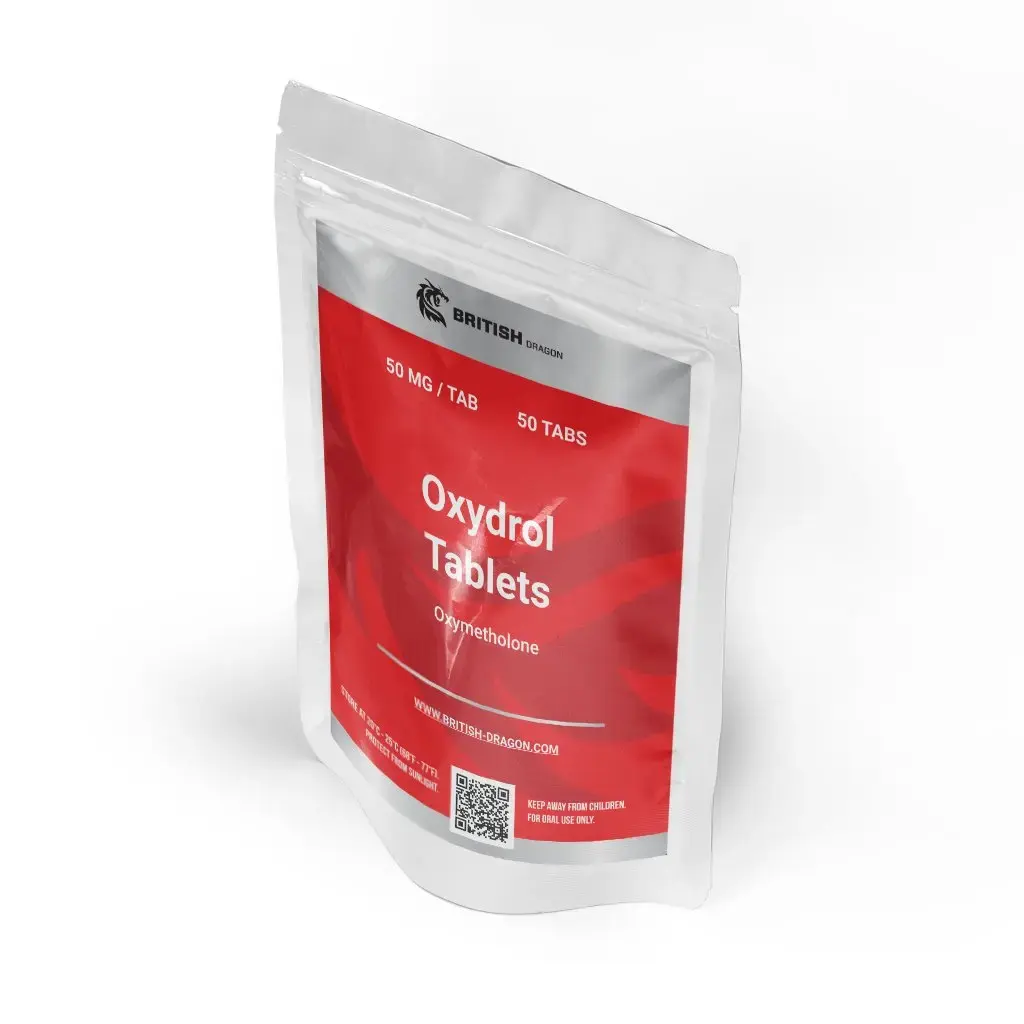
Store tablets in a cool, dry place in the original packaging. Keep out of reach of children. Inspect tablets before use and do not use if they appear damaged or compromised.
Further Safety Information