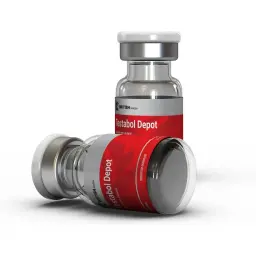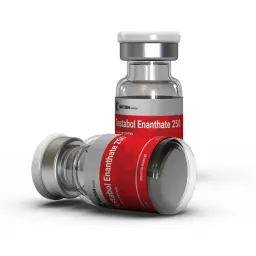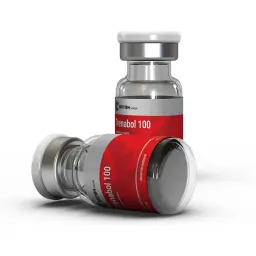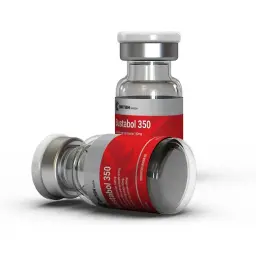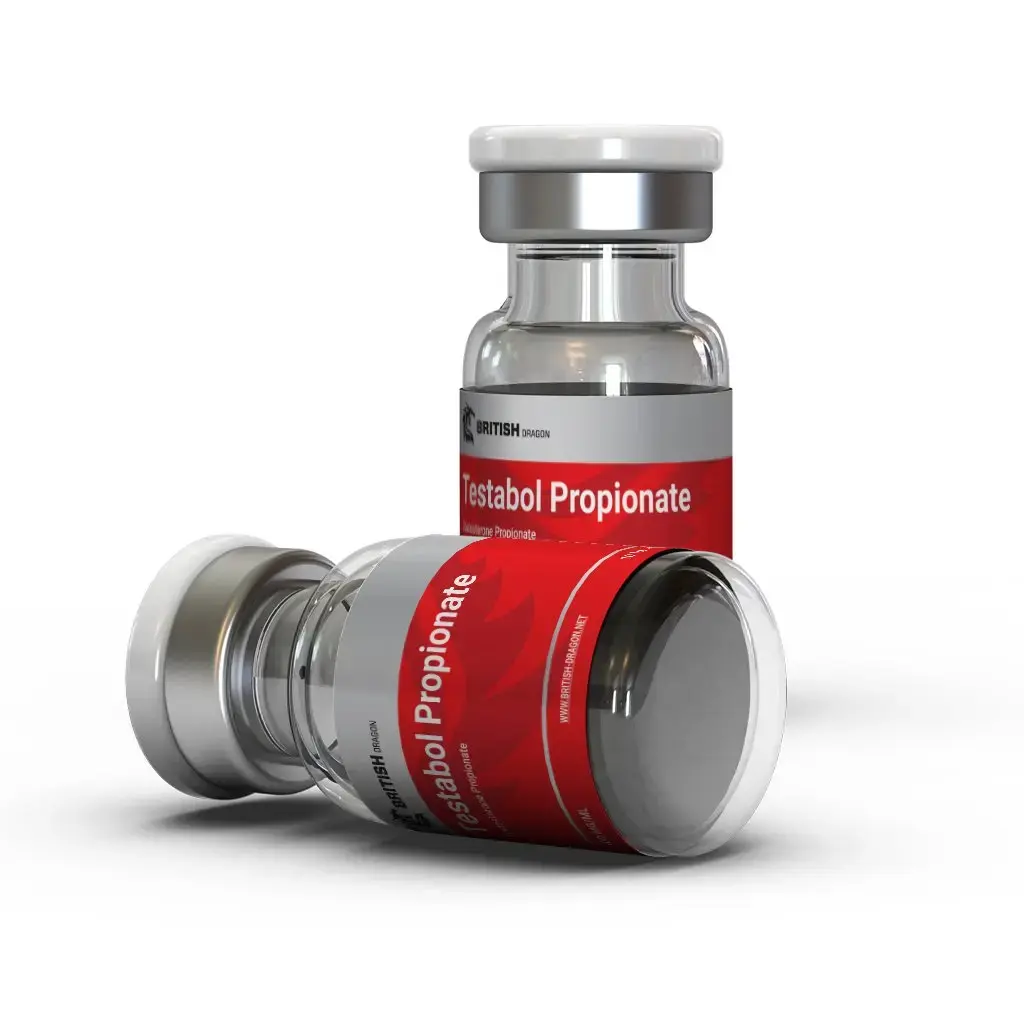
Testabol Propionate 100 mg is an oil-based testosterone propionate injectable manufactured by British Dragon and dosed at 100 mg/mL in a 10 mL vial.
Testabol Propionate 100 mg is an injectable anabolic-androgenic steroid containing testosterone propionate, a short-acting testosterone ester. Testosterone propionate has a half-life of approximately two to three days when injected intramuscularly. The propionate ester is one of the shortest-acting testosterone esters commonly used, and because the ester accounts for a smaller percentage of the total molecular weight, a greater proportion of the administered dose is active testosterone compared to longer-acting esters.
In clinical practice, testosterone propionate has been approved for testosterone replacement therapy in men with hypogonadism. The FDA has approved testosterone propionate injectable products at 50 mg/mL and 100 mg/mL strengths, though many of these products have been discontinued. Testosterone propionate is also listed in the United Kingdom as one of the anabolic steroids used in non-medical performance-enhancement contexts, with 38% of surveyed users reporting use in the past year. In bodybuilding and performance-enhancement settings, short-acting testosterone is commonly referenced for its rapid onset and quick clearance, which may allow for more flexible cycle management.
Testosterone supports processes involved in muscle protein synthesis, recovery, strength, sexual function and maintenance of normal male physiological characteristics. When testosterone is used at supraphysiologic levels for physique or performance enhancement, however, the potential for adverse effects increases and such use falls outside approved medical indications.
Testabol Propionate 100 mg uses MCT oil as its carrier oil, providing the oil base for the testosterone propionate formulation.
Testosterone propionate is a short-acting testosterone ester designed for rapid release after administration. Its brief duration of activity distinguishes it from longer-acting testosterone preparations and makes it suitable for situations requiring precise control over hormone levels.
The propionate ester releases testosterone more rapidly from the injection site than longer-acting esters such as enanthate or cypionate. This results in a quicker onset of action and a shorter duration of activity. Testosterone propionate is typically administered every two to three days to maintain stable blood levels.
Once the esterified compound is released and metabolized, the active hormone is testosterone. The ester primarily influences the rate of release and duration of activity rather than changing the underlying anabolic and androgenic properties of testosterone itself. A notable characteristic of testosterone propionate is that the propionate ester accounts for approximately 30% of the molecular weight, meaning a greater proportion of the administered dose is available as active testosterone compared to esters with heavier molecular weights.
These characteristics explain why testosterone propionate is encountered in specific medical contexts and in non-medical bodybuilding settings where a shorter-acting testosterone preparation is preferred. Testosterone propionate was formerly available under brand names such as Oreton.
Testosterone propionate releases more rapidly than long-acting esters such as testosterone enanthate or cypionate. Its shorter duration of activity means more frequent injections are required to maintain stable blood levels, but it also allows for quicker adjustments to dosage and faster clearance from the system if needed.
British Dragon offers several testosterone formulations built around different esters, concentrations and release profiles. The main practical distinction between these preparations is how quickly testosterone is released and how long the formulation remains active after administration.
Propionate is a short-acting ester, whereas Testabol Depot (testosterone cypionate) and Testabol Enanthate are longer-acting alternatives. British Dragon also offers Sustabol 350, a multi-ester testosterone formulation that includes propionate along with longer-acting esters.
The information below is provided for educational reference only. Testosterone propionate is a prescription androgen; medical use requires appropriate diagnosis, clinical supervision and ongoing monitoring. Non-medical use falls outside approved indications.
In non-medical bodybuilding contexts, testosterone propionate is commonly referenced in the range of 100–300 mg per week, administered as injections every two to three days. This range reflects the short-acting nature of the ester, which requires frequent administration to maintain stable blood levels. Some sources reference higher total weekly doses, though such use falls outside approved medical indications. A survey of anabolic steroid users in the United Kingdom listed testosterone propionate at a reference range of 200–400 mg per week for general anabolic steroid use.
| Use Case | Common Reference Range | Injection Frequency |
|---|---|---|
| TRT (medical) | Individualized by clinician | Every 2–3 days |
| Bodybuilding (non-medical, moderate) | 100–200 mg / week | Every 2–3 days |
| Bodybuilding (non-medical, higher) | 200–300 mg / week | Every other day or 3x weekly |
In non-medical bodybuilding contexts, testosterone propionate is sometimes used as a base compound or combined with other injectable or oral compounds. British Dragon offers several products that are commonly referenced in this context, including Stanabol 10 and Mastabol 100 during cutting phases, or Decabol 250 for bulking.
The short-acting nature of testosterone propionate means that cycle structure and injection frequency should be considered carefully. More frequent injections are generally referenced to maintain stable blood levels and minimize fluctuations associated with the rapid release of the propionate ester.
Testosterone propionate aromatizes, meaning some of it converts to estrogen. This can contribute to water retention, gynecomastia and elevated blood pressure in susceptible individuals. Aromatase inhibitors such as Anastrozole are commonly referenced in this context, though use should be based on individual response and bloodwork where possible.
Because testosterone propionate has a shorter half-life than longer-acting esters, estrogenic side effects may fluctuate more rapidly in response to injection timing. Cholesterol and hematocrit levels should be monitored during use.
After completing a cycle with Testabol Propionate 100 mg, post-cycle therapy is commonly recommended to help restore endogenous testosterone production and support hormonal recovery. Agents such as Clomiphene and Tamoxifen are commonly referenced for this purpose.
Because testosterone propionate clears from the system more quickly than longer-acting esters, PCT may be initiated sooner after the last injection compared to cycles using enanthate or cypionate. PCT protocols vary based on cycle length, compounds used and individual factors.
Dosing strategies, support compounds and recovery protocols should be adjusted based on experience level and bloodwork where possible. The information above is for educational reference and does not constitute medical advice.
Testosterone propionate is a prescription androgen that can affect hormonal, reproductive, cardiovascular and hematologic function. Medical testosterone therapy requires appropriate diagnosis, clinical supervision and ongoing monitoring.
Testosterone replacement therapy is intended for appropriately diagnosed testosterone deficiency. Clinical evaluation normally considers both compatible symptoms and consistently low testosterone concentrations rather than symptoms alone. The Endocrine Society recommends that diagnosis of hypogonadism requires at least two early-morning, fasting testosterone tests, with a common clinical threshold near 300 ng/dL.
Use of testosterone at supraphysiologic levels for bodybuilding or performance enhancement falls outside approved replacement therapy and can increase exposure to androgen-related adverse effects.
Higher-than-physiologic testosterone exposure can carry additional health risks. Product concentration and laboratory verification do not establish that non-medical use is safe or appropriate for an individual.
Testosterone therapy can increase red blood cell production and hematocrit. Excessive elevation can require medical evaluation and changes to treatment. The Endocrine Society notes that the TRAVERSE trials showed roughly a 50% relative increase in pulmonary embolism and an increased incidence of bone fractures among testosterone-treated men.
Testosterone can suppress the body's own reproductive hormone signaling and reduce sperm production. Fertility is therefore an important consideration, particularly for men planning to have children. The Endocrine Society has raised concerns about the impact of testosterone therapy on fertility recovery, noting that when men receive testosterone replacement therapy and hCG therapy for two or more years, it can lead to delays in the body's ability to recover normal levels of sperm and hormone production.
Other potential androgen-related effects can include acne, changes in skin oil production, fluid retention and changes in prostate-related symptoms. Individual response and risk vary according to health status, exposure and other factors.
Testosterone therapy is not appropriate for everyone. Medical guidelines identify circumstances in which treatment should be avoided or carefully evaluated, including known or suspected prostate or male breast cancer, elevated hematocrit, untreated severe obstructive sleep apnea, certain cardiovascular conditions, thrombophilia and near-term fertility plans.
Existing cardiovascular disease, urinary or prostate symptoms, abnormal blood counts and other medical conditions should be discussed with a qualified healthcare professional before testosterone therapy is considered.
Medically supervised testosterone therapy typically involves follow-up assessment to evaluate treatment response, adverse effects and relevant laboratory markers. The Endocrine Society recommends screening and monitoring if testosterone therapy is initiated, noting that long-term safety including prostate cancer risk remains incompletely established.
Testing is often inaccurate, and non-standardized assays mean the same blood sample can read differently depending on the lab and method. The use of a testosterone assay that has been certified by the CDC HoST program ensures that results are standardized and harmonized.
Keep the vial securely stored and protected from conditions that could compromise the product or container. Inspect the vial and solution before use and do not use a product that appears damaged, contaminated or otherwise abnormal.
Keep all medications and injectable products out of the reach of children. Follow the storage instructions provided with the product packaging.
Testabol Propionate 100 mg is supplied through the official British Dragon distribution chain and shipped in original manufacturer packaging with discreet, privacy-focused handling.
The outer shipping package remains discreet, with privacy-focused handling and no unnecessary external product details. Products are supplied through the official British Dragon distribution chain.
To verify your Testabol Propionate 100 mg product, use the security features on the vial label and cross-check them with official British Dragon presentation. Genuine British Dragon vials typically feature specific label characteristics and packaging details that distinguish them from counterfeits.
For complete delivery details, tracking policy, and reshipment terms, please see our Shipping Info page.
Proper storage conditions help preserve formulation stability and overall product integrity throughout shelf life.
Store at controlled room temperature (15–25°C) and protect from excessive heat, moisture, and direct light. Maintaining stable conditions helps preserve the integrity of the oily formulation.
Keep the vial in its original packaging until use. Do not freeze. Before administration, inspect the solution and avoid use if it appears cloudy, discolored, contains particulate matter, or if the vial or seal is compromised.
Keep out of reach of children. Follow proper handling and sterile injection practices when administering the product.
Answers to common questions about Testabol Propionate 100 mg, testosterone propionate, release characteristics, product strength and related topics.
Testabol Propionate 100 mg contains testosterone propionate, a short-acting testosterone ester. In medical practice it has been used for testosterone replacement therapy in men with hypogonadism. In non-medical bodybuilding settings it is commonly referenced as a base compound or for specific cycle phases where rapid onset and quick clearance are desired, though such use falls outside approved medical indications.
Because of its short-acting propionate ester, testosterone propionate is typically referenced as being administered every two to three days. In medically supervised therapy, injection frequency is individualized by a clinician. Some bodybuilding resources reference every-other-day or daily administration to maintain stable blood levels.
Testosterone can suppress endogenous testosterone production. In non-medical bodybuilding contexts, post-cycle therapy is commonly referenced after a cycle to support hormonal recovery. Agents such as Clomiphene and Tamoxifen are commonly discussed for this purpose. Because testosterone propionate clears quickly, PCT may be initiated sooner than with longer-acting esters.
Testosterone propionate is a short-acting ester of testosterone. After administration, the esterified testosterone is released relatively rapidly and ultimately provides active testosterone, which has both androgenic and anabolic effects. Testosterone supports muscle protein synthesis, recovery, strength, sexual function and maintenance of male physiological characteristics.
Testosterone propionate has a relatively short half-life of approximately two to three days. Its effects may be noticed more quickly than longer-acting esters, though visible changes in physique and performance are still typically referenced as taking several weeks to become apparent depending on dose, diet, training, and individual factors.
There is no single testosterone ester that is universally best. Testosterone propionate is distinguished by its short duration of action and rapid clearance. The appropriate formulation depends on the circumstances in which testosterone is being used, including the desired onset and duration of effect.
The principal difference is the ester and resulting release profile. Testosterone propionate is a short-acting ester, whereas testosterone enanthate is a longer-acting ester with a duration of approximately seven to nine days. British Dragon offers Testabol Enanthate as a longer-acting alternative.
Testosterone propionate is a shorter-acting ester, while testosterone cypionate is a longer-acting ester with a half-life of approximately eight days. British Dragon's longer-acting cypionate alternative is Testabol Depot. The choice between them depends on the desired release profile and injection frequency.
A milligram amount cannot be classified as appropriate or excessive without considering the medical indication, individual response, laboratory results, treatment schedule and the specific testosterone product being used. It is also important to distinguish a dose in milligrams from a product's concentration in mg/mL. Testabol Propionate 100 mg is labeled at 100 mg/mL; that concentration does not by itself specify how much should be administered.
Testabol Propionate 100 mg is labeled at 100 mg of testosterone propionate per mL. It is supplied in a 10 mL vial, giving 1,000 mg of total labeled testosterone propionate content per vial.
Yes. Testosterone propionate aromatizes to estrogen, as do all testosterone esters. This can contribute to water retention, gynecomastia and elevated blood pressure in susceptible individuals. Aromatase inhibitors are commonly referenced in this context, though use should be based on individual response and bloodwork where possible.