Dianabol Inj 50 mg is an oil-based Methandienone injectable manufactured by Dragon Pharma and dosed at 50 mg/mL in a 10 mL vial.
Dianabol Inj 50 mg contains methandienone, a 17-alpha-alkylated anabolic-androgenic steroid (AAS) historically known as Dianabol. While methandienone is most commonly encountered as an oral preparation, this injectable formulation delivers the same active compound in an oil-based carrier. Methandienone is a derivative of testosterone modified to enhance its anabolic properties relative to its androgenic effects.
Methandienone was originally developed for medical use and received FDA acceptance in 1970 for treating post-menopausal osteoporosis and pituitary-deficient dwarfism. In clinical settings, methandienone has been used to promote protein synthesis, maintain positive nitrogen balance, and support recovery in catabolic conditions. In non-medical bodybuilding contexts, methandienone is widely referenced for its rapid effects on muscle mass, strength, and overall performance during bulking cycles.
As a 17-alpha-alkylated compound, methandienone resists hepatic breakdown, which extends its activity but also contributes to its classification as a liver-toxic AAS. The injectable form bypasses first-pass hepatic metabolism to some degree, though the 17-alpha-alkyl group still confers some degree of hepatic exposure. Methandienone is known to aromatize, producing estrogenic effects that can include water retention and gynecomastia in susceptible individuals.
Dianabol Inj 50 mg uses MCT oil as its carrier, providing an oil base for the methandienone formulation. This injectable presentation offers an alternative administration route to traditional oral methandienone tablets.
Methandienone is a 17-alpha-alkylated anabolic-androgenic steroid with strong anabolic activity and moderate androgenic effects. Its injectable form offers an alternative to oral administration for users who prefer injection-based protocols.
Methandienone is structurally related to testosterone but features a 17-alpha-methyl group that makes it orally active and resistant to hepatic breakdown. This modification also defines its classification among C17-alpha-alkylated steroids, which are associated with potential hepatotoxicity. The compound binds to androgen receptors and promotes anabolic activity in skeletal muscle.
Animal studies have quantified methandienone's intermediate androgenic potency relative to other AAS compounds, ranking it between nandrolone decanoate and 17-alpha-methyltestosterone in maintaining male sexual behavior patterns in castrated rats. This intermediate profile is consistent with its classification as a moderately androgenic compound.
In non-medical bodybuilding contexts, methandienone is typically referenced for its rapid onset of effects and its ability to support substantial gains in muscle mass and strength during short cycles.
Injectable methandienone delivers the same active compound as oral preparations but through a different administration route. Historical clinical references to injectable Dianabol have documented dosages around 10 mg per day. The 50 mg/mL concentration of Dianabol Inj 50 mg provides a concentrated formulation for users who prefer injection-based protocols.
Dragon Pharma offers several anabolic preparations for different cycle objectives. The oral Dianabol 50 provides the traditional tablet form of methandienone, while Dianabol Inj 50 mg offers the injectable alternative. The lower-concentration Dianabol 20 is also available for those who prefer smaller oral doses.
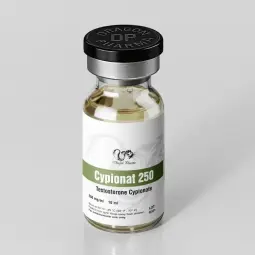
For non-medical cycles, methandienone is frequently referenced alongside a testosterone base compound. Dragon Pharma's Cypionate 250 or Enantat 250 are commonly mentioned in this context. Injectable Anadrol Inj represents another 17-alpha-alkylated injectable option.
Published laboratory reports for Dianabol Inj 50 mg are shown below with the test date, measured concentration and percentage of the product's 50 mg/mL label claim.
 View Report
Laboratory results apply to the specific tested sample represented in each published report and should not be interpreted as a measurement of every vial or production batch.
The information below is provided for educational reference only. Methandienone is a controlled anabolic steroid; medical use requires appropriate diagnosis, clinical supervision and ongoing monitoring. Non-medical use falls outside approved indications.
In historical clinical settings, injectable methandienone was referenced at dosages around 10 mg per day. Oral methandienone has been studied in athletic populations at 10 to 25 mg per day, with some sources noting that doses up to 100 mg per day have been used without evidence of proportionally greater effects. In non-medical bodybuilding contexts, methandienone is commonly referenced in the range of 20–50 mg per day for oral use, with injectable forms often referenced at similar daily totals. Because Dianabol Inj 50 mg provides 50 mg/mL, users typically require small injection volumes to achieve these reference ranges.
| Use Case | Common Reference Range | Administration Frequency |
|---|---|---|
| Historical clinical (injectable) | 10 mg / day | Daily |
| Bodybuilding (non-medical, oral) | 20–50 mg / day | Daily, often split doses |
| Bodybuilding (non-medical, injectable) | 20–50 mg / day referenced | Daily or every other day |
In non-medical bodybuilding contexts, methandienone is frequently referenced as a kickstart compound at the beginning of a cycle while longer-acting injectables such as testosterone reach steady blood levels. Dragon Pharma's Cypionate 250 is commonly mentioned as a base compound alongside Dianabol Inj 50 mg. Oral Dianabol 50 is sometimes used interchangeably or in combination with the injectable form.
Methandienone cycles are typically limited in duration due to the compound's hepatotoxic potential and its suppressive effects on endogenous testosterone production. Cycle lengths of 4 to 6 weeks are commonly referenced in non-medical contexts.
Methandienone aromatizes, meaning some of it converts to estrogen. This can contribute to water retention, gynecomastia and elevated blood pressure in susceptible individuals. Aromatase inhibitors may be referenced in this context, though use should be based on individual response and bloodwork where possible.
As a 17-alpha-alkylated compound, methandienone carries hepatotoxic potential. Liver support and periodic liver function assessment are commonly referenced in non-medical contexts. Blood pressure and lipid profiles should also be monitored during use.
After completing a cycle with Dianabol Inj 50 mg, post-cycle therapy is commonly recommended in non-medical contexts to help restore endogenous testosterone production. Agents such as Clomid or Nolvadex are frequently referenced for this purpose.
Because methandienone suppresses natural testosterone production, recovery support is an important consideration. Bloodwork and, where possible, medical guidance can help inform recovery strategy.
Dosing strategies, support compounds and recovery protocols should be adjusted based on experience level and bloodwork where possible. The information above is for educational reference and does not constitute medical advice.
Methandienone is a controlled anabolic steroid that can affect hepatic, cardiovascular, endocrine and reproductive function. Medical use requires appropriate diagnosis, clinical supervision and ongoing monitoring.
Methandienone is classified as a Schedule III controlled substance in the United States. It is not approved for athletic performance enhancement, and non-medical use falls outside approved indications. The compound's 17-alpha-alkylated structure is associated with hepatotoxicity, and liver function should be monitored during any therapeutic use.
Anabolic steroids including methandienone have been associated with serious adverse effects including cardiovascular complications, hepatic dysfunction and endocrine disruption. Medical use requires ongoing clinical supervision.
Use of methandienone for bodybuilding or performance enhancement falls outside approved medical indications. Higher-than-physiologic exposure can increase the risk of serious adverse effects including hepatic, cardiovascular and endocrine complications.
Methandienone can cause water retention, which may contribute to elevated blood pressure and edema. Clinical studies have documented significant increases in systolic blood pressure during methandienone use. Estrogenic effects such as gynecomastia may occur due to aromatization.
As a 17-alpha-alkylated steroid, methandienone carries hepatotoxic potential. Liver function abnormalities, cholestatic jaundice and, in rare cases, hepatic tumors have been associated with C17-alpha-alkylated AAS use. Lipid profile changes, including decreased HDL and increased LDL, are also commonly referenced.
Methandienone suppresses endogenous testosterone production, which can lead to sexual dysfunction and testicular atrophy during use and requires recovery support afterward.
Methandienone is contraindicated in certain circumstances. The Chinese prescribing information for metandienone tablets lists liver dysfunction, kidney disease, prostate cancer, hypertension, and pregnancy or lactation as contraindications. Caution is advised in patients with cardiac, renal or hepatic disease.
Existing liver conditions, cardiovascular disease, prostate conditions, and other medical conditions should be discussed with a qualified healthcare professional before methandienone is considered.
Medically supervised methandienone therapy typically involves periodic laboratory monitoring. Liver function tests should be obtained regularly due to the compound's hepatotoxic potential. Blood pressure monitoring is also important given the potential for fluid retention and hypertension.
For any anabolic steroid therapy, lipid profiles and hematocrit may also warrant monitoring. Laboratory testing of the product itself, such as the published potency report shown in the Lab Reports tab, is separate from clinical monitoring of the person using the medication.
Keep the vial securely stored and protected from conditions that could compromise the product or container. Store at controlled room temperature (20°–25°C) and protect from light. Inspect the vial and solution before use and do not use a product that appears damaged, contaminated or otherwise abnormal.
Keep all medications and injectable products out of the reach of children. Follow the storage instructions provided with the product packaging.
Dianabol Inj 50 mg by Dragon Pharma is shipped in original manufacturer packaging with discreet, privacy-focused handling.
The outer shipping package remains discreet, with privacy-focused handling and no unnecessary external product details.
To verify your Dianabol Inj 50 mg product, use the security code on the vial label and cross-check it on the Dragon Pharma official site. Original Dragon Pharma packaging and batch-linked lab proof help reinforce product legitimacy.
For complete delivery details, tracking policy, and reshipment terms, please see our Shipping Info page.
Proper storage conditions help preserve formulation stability and overall product integrity throughout shelf life.
Store at controlled room temperature (15–25°C) and protect from excessive heat, moisture, and direct light. Maintaining stable conditions helps preserve the integrity of the oily formulation.
Keep the vial in its original packaging until use. Do not freeze. Before administration, inspect the solution and avoid use if it appears cloudy, discolored, contains particulate matter, or if the vial or seal is compromised.
Keep out of reach of children. Follow proper handling and sterile injection practices when administering the product.
Answers to common questions about Dianabol Inj 50 mg, methandienone, injectable vs oral administration, product strength and laboratory testing.
Dianabol Inj 50 mg contains methandienone, which was historically used medically for post-menopausal osteoporosis and pituitary-deficient dwarfism. In non-medical bodybuilding settings, Dianabol Inj 50 mg is commonly referenced for rapid muscle mass and strength gains during bulking cycles, though such use falls outside approved medical indications.
Injectable methandienone has been referenced in historical clinical settings at 10 mg per day. In non-medical contexts, injectable Dianabol Inj 50 mg is commonly referenced at daily or every-other-day administration, depending on the user's protocol and goals. Because of its 50 mg/mL concentration, even small volumes deliver substantial doses.
Methandienone is a 17-alpha-alkylated anabolic steroid that binds to androgen receptors and promotes protein synthesis and positive nitrogen balance. Animal studies have ranked its androgenic potency as intermediate between nandrolone decanoate and 17-alpha-methyltestosterone. In medical practice, it was used for specific clinical indications including osteoporosis and dwarfism.
Methandienone is known for relatively rapid onset compared to many other anabolic steroids. In clinical studies, subjects using 100 mg per day gained an average of 3.3 kg over six weeks. In non-medical contexts, users often reference noticing effects within the first week or two of use, though individual response varies.
There is no single compound that is universally best for bulking. Methandienone is commonly referenced in bodybuilding contexts for its rapid effects on mass and strength, but it carries significant hepatotoxic potential as a 17-alpha-alkylated steroid. Many non-medical cycles combine methandienone with a testosterone base such as Cypionate 250 rather than using it alone.
The primary difference is the administration route. Dianabol Inj 50 mg delivers methandienone via intramuscular injection, while oral preparations such as Dianabol 50 are taken by mouth. Both ultimately provide the same active compound, though the injectable form bypasses initial first-pass hepatic metabolism.
Methandienone and oxymetholone (Anadrol) are both 17-alpha-alkylated oral AAS, but they are distinct compounds with different potency profiles. Dragon Pharma offers Anadrol Inj as an injectable alternative for those interested in oxymetholone. Both compounds are referenced in non-medical bulking contexts, though each has its own side effect profile.
A milligram amount cannot be classified as appropriate or excessive without considering the specific context, individual response, and other factors. In non-medical bodybuilding contexts, methandienone is commonly referenced in the 20–50 mg per day range for oral use. Historical clinical studies used 10 to 25 mg per day, with some athletes reportedly using up to 300 mg per day without evidence of greater effects. Such use falls outside approved medical indications.
Dianabol Inj 50 mg is labeled at 50 mg of methandienone per mL. It is supplied in a 10 mL vial, giving 500 mg of total labeled methandienone content per vial.
Yes. A published laboratory report dated October 5, 2024 measured Dianabol Inj 50 mg at 57.60 mg, equivalent to 115.20% of its 50 mg/mL label claim.
The complete report can be viewed in the Lab Reports tab. Laboratory results apply to the tested sample represented by the individual report and should not be interpreted as a measurement of every vial.
The published laboratory report for Dianabol Inj 50 mg references batch HDDNB8, tested on October 5, 2024. The measured result for that sample was 57.60 mg.