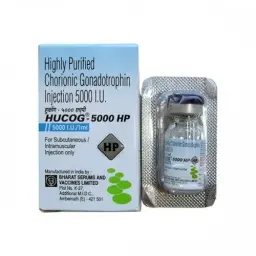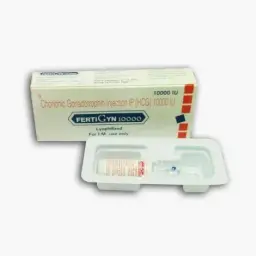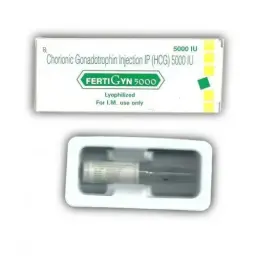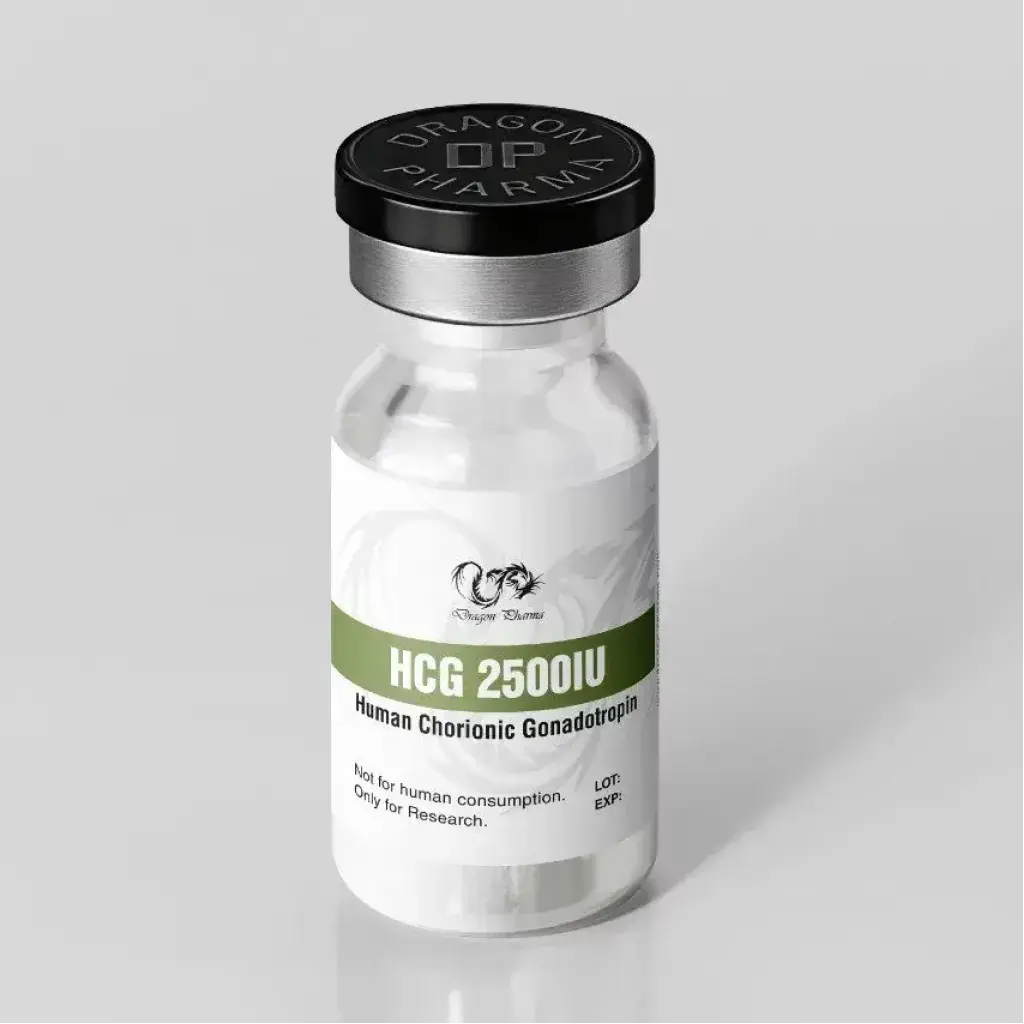
HCG is a lyophilized powder injectable manufactured by Dragon Pharma, containing Human Chorionic Gonadotropin (HCG) at a strength of 2500 IU or 5000 IU per vial.
Human chorionic gonadotropin (HCG) is a glycoprotein hormone that acts virtually identically to luteinizing hormone (LH), stimulating the Leydig cells of the testes to produce testosterone and supporting gonadal steroidogenesis. In clinical practice, HCG is FDA-approved for selected cases of hypogonadotropic hypogonadism in males, prepubertal cryptorchidism not due to anatomic obstruction, and induction of ovulation in anovulatory infertile women.
In non-medical bodybuilding and performance contexts, HCG is commonly referenced for its ability to maintain intratesticular testosterone production and prevent testicular atrophy during suppressive androgen cycles, and to support endogenous testosterone recovery during post-cycle therapy. A 2003 case report documented successful restoration of spermatogenesis in a bodybuilder with anabolic steroid-induced azoospermia using HCG 10,000 IU twice weekly combined with human menopausal gonadotropin.
HCG has no known effect on fat mobilization, appetite, or body fat distribution, and the FDA has explicitly stated that it has not been demonstrated effective as adjunctive therapy in the treatment of obesity. Any use for physique enhancement or post-cycle recovery falls outside approved medical indications.
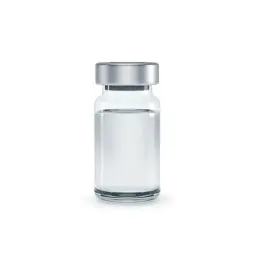
HCG by Dragon Pharma is supplied as a lyophilized (freeze-dried) powder in a 2 mL vial. This form requires reconstitution with a suitable diluent before use.
Human chorionic gonadotropin is a heterodimeric glycoprotein hormone that shares an identical alpha subunit with LH, FSH, and TSH, but possesses a unique beta subunit that confers LH receptor specificity and biological activity.
HCG binds to the LH/CG receptor on testicular Leydig cells, stimulating the production of gonadal steroid hormones including testosterone. Because its beta subunit differs from that of pituitary LH, HCG has a longer circulating half-life, which allows less frequent administration compared to endogenous LH signaling.
The clinical action of HCG is virtually identical to that of pituitary LH, although HCG also appears to have a small degree of FSH activity. This LH-mimetic activity is the pharmacological basis for its use in hypogonadotropic hypogonadism and its community-referenced applications in cycle support and post-cycle recovery.
During normal pregnancy, HCG secreted by the placenta maintains the corpus luteum after LH secretion decreases, supporting continued secretion of estrogen and progesterone. This physiological role is distinct from its therapeutic and non-medical uses in male hormonal contexts.
HCG's unique beta subunit gives it a terminal half-life of approximately 33–39 hours, considerably longer than pituitary LH. This extended activity profile is why HCG is commonly referenced as being administered every other day or three times weekly rather than daily.
Dragon Pharma offers several hormonal and peptide products that are commonly referenced in post-cycle and cycle-support contexts. HMG 150 IU provides human menopausal gonadotropin, which contains FSH activity in addition to LH activity, and is sometimes referenced in combination with HCG for fertility-focused recovery protocols. Clomid and Nolvadex are selective estrogen receptor modulators commonly referenced for post-cycle therapy through a different mechanism—stimulating gonadotropin release rather than directly mimicking LH. Caber is a dopamine agonist referenced for prolactin management.
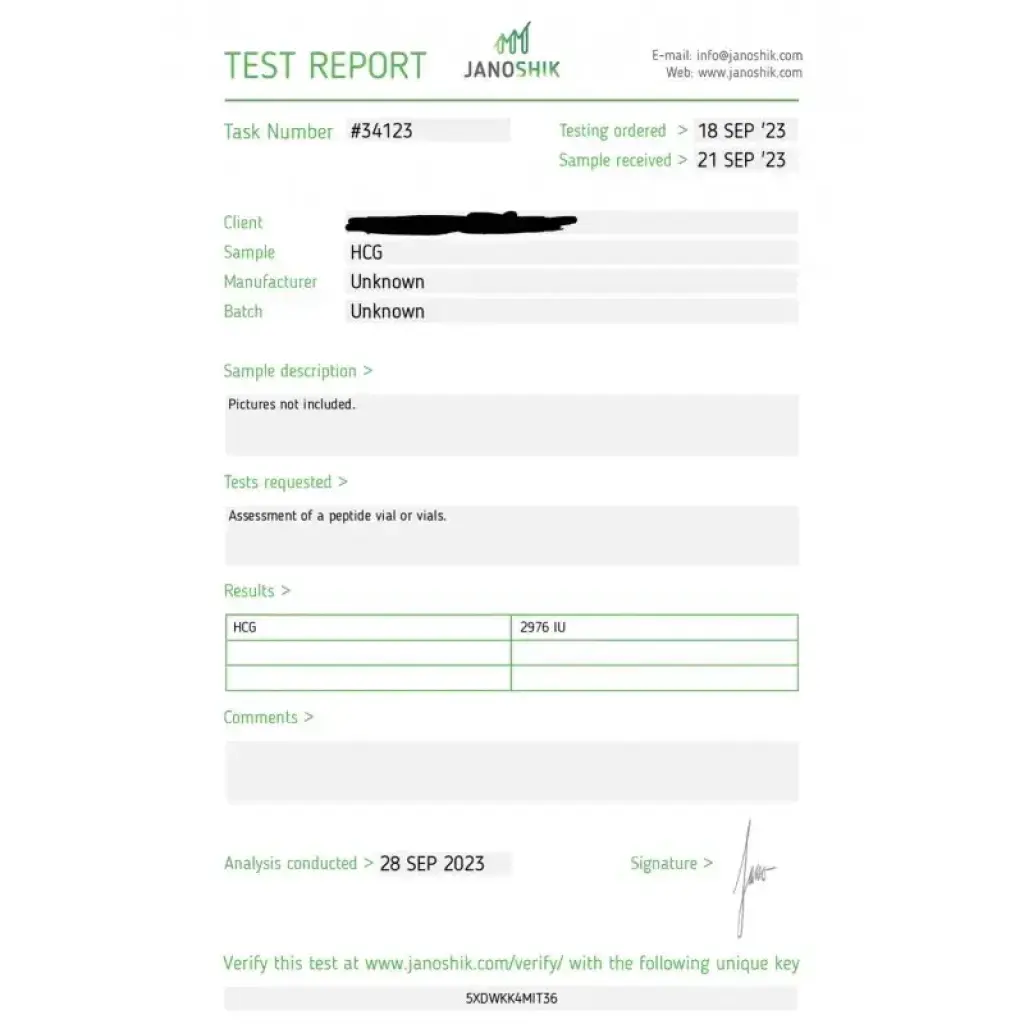
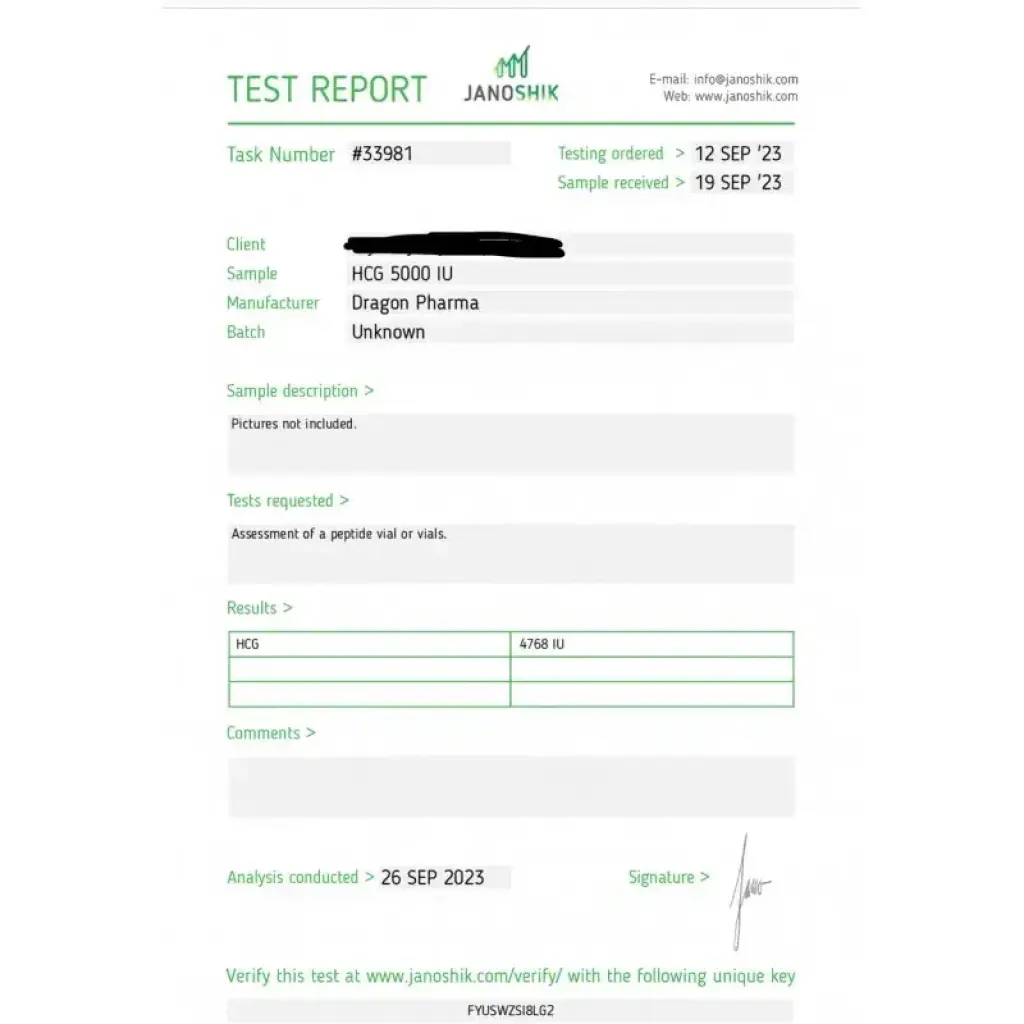
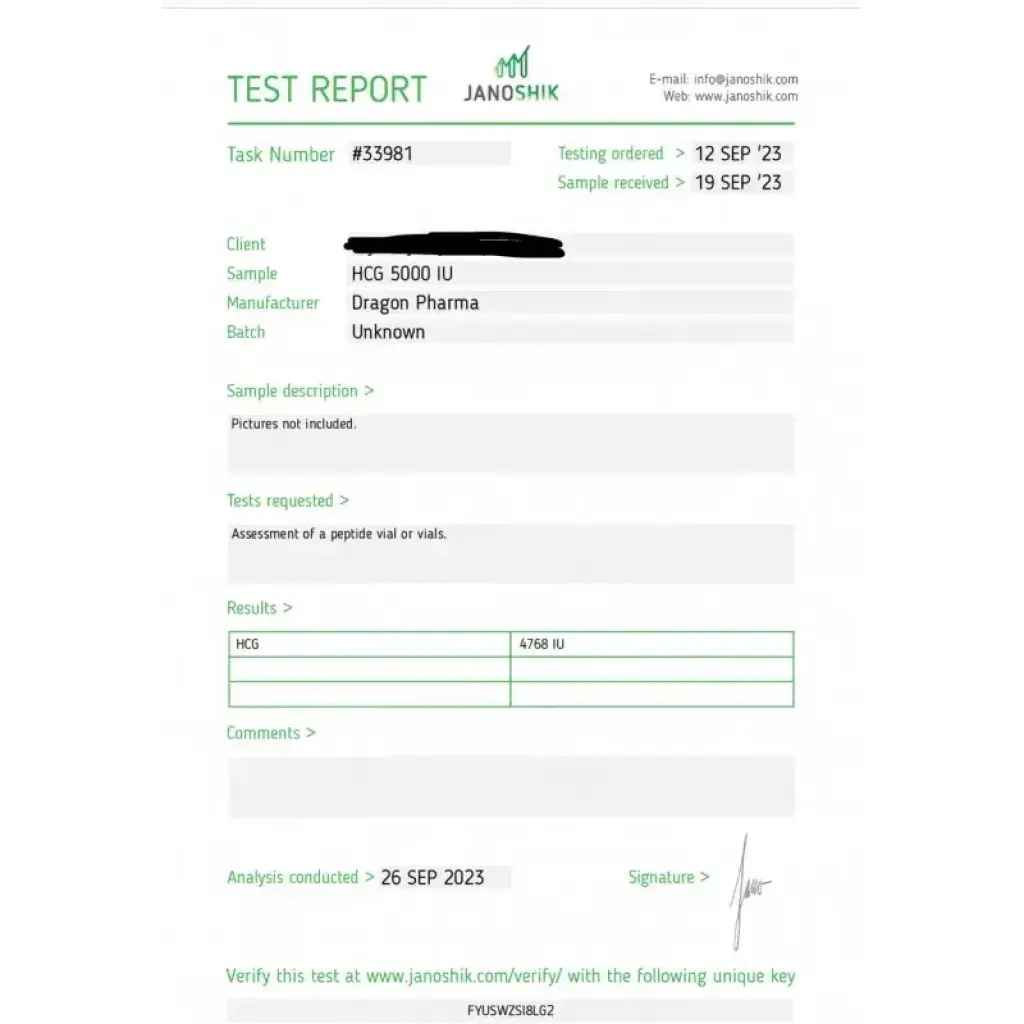
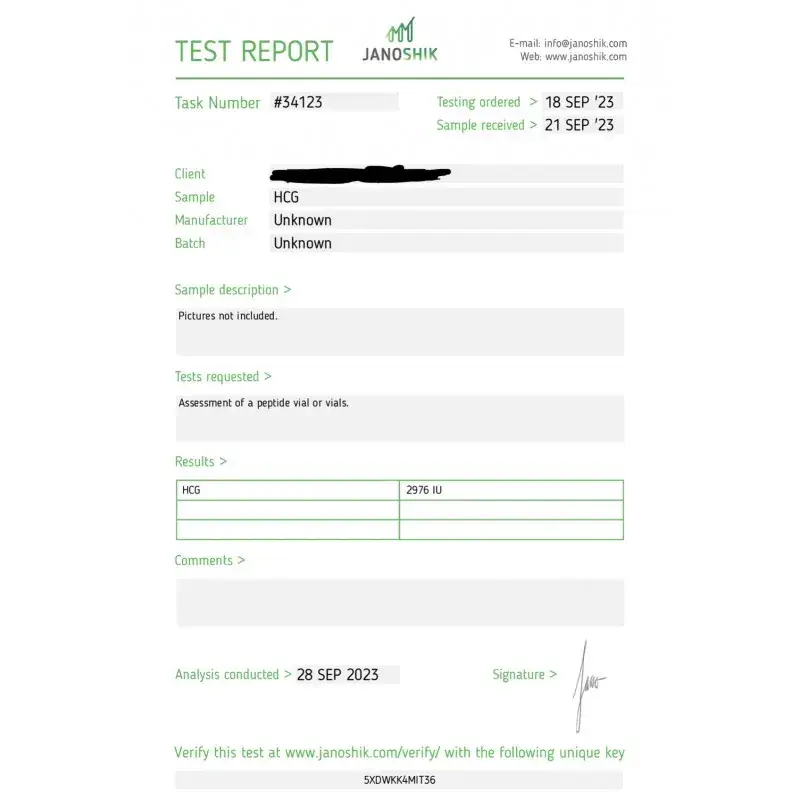
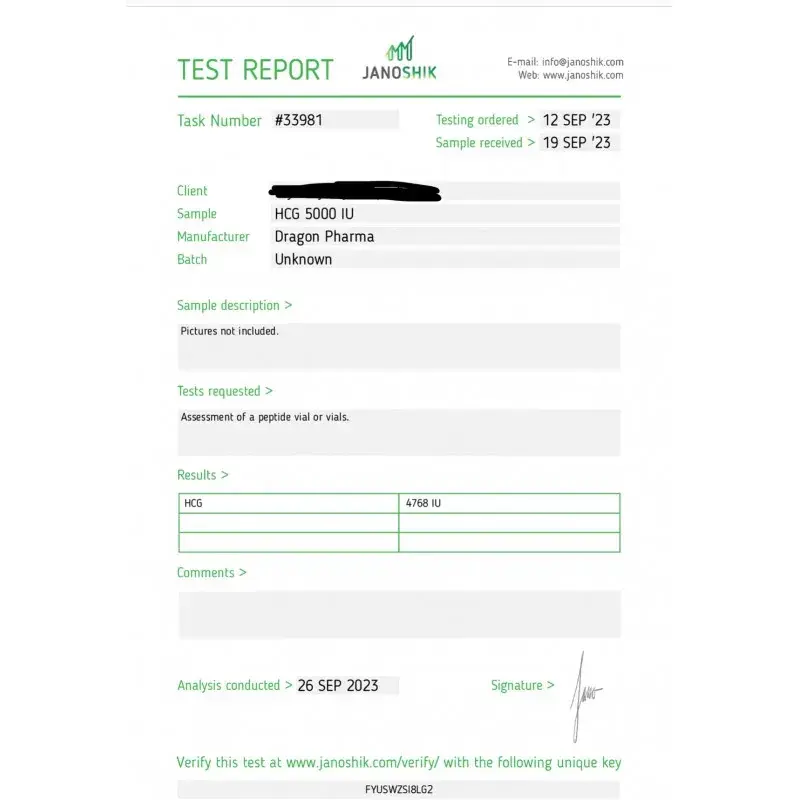
Published laboratory reports for HCG by Dragon Pharma are shown below with the test date, measured potency, and percentage of the product's label claim.
 View Report
 View Report
Laboratory results apply to the specific tested sample represented in each published report and should not be interpreted as a measurement of every vial or production batch.
The information below is provided for educational reference only. HCG is a prescription medication; medical use requires appropriate diagnosis, clinical supervision and ongoing monitoring. Non-medical use falls outside approved indications.
In medically supervised use, HCG dosing is individualized based on the indication, patient age and weight, and clinical response. For hypogonadotropic hypogonadism in males, FDA labeling references regimens of 500–1,000 USP Units three times weekly for three weeks, followed by twice-weekly dosing for three weeks, or 4,000 USP Units three times weekly for six to nine months. In non-medical bodybuilding contexts, HCG is commonly referenced at 500–1,500 IU administered two to three times weekly during cycle support, and at higher doses during post-cycle recovery protocols.
| Use Case | Common Reference Range | Injection Frequency |
|---|---|---|
| Medical (hypogonadotropic hypogonadism) | 500–1,000 IU or 4,000 IU per FDA labeling | 3x weekly or per clinician |
| Non-medical cycle support (maintenance) | 500 IU | 2–3x weekly |
| Non-medical post-cycle recovery | 1,500–2,500 IU | 3x weekly for 1–4 weeks |
| Azoospermia recovery (clinical case report) | 10,000 IU with hMG | 2x weekly for 3 months |
In non-medical bodybuilding contexts, HCG is commonly referenced as an adjunct during suppressive androgen cycles to maintain testicular function, and during post-cycle therapy to accelerate endogenous testosterone recovery. When used alongside HMG 150 IU, the combination provides both LH-like and FSH-like activity, which is sometimes referenced for fertility-focused recovery.
HCG is sometimes stacked with selective estrogen receptor modulators such as Clomid or Nolvadex during recovery protocols, as these agents work through different mechanisms to support gonadotropin release. Aromatase inhibitors may also be referenced to manage estrogenic side effects that can arise from increased testosterone production.
HCG can increase testosterone production, which in turn may elevate estradiol levels through aromatization. This can contribute to water retention, gynecomastia, or mood changes in susceptible individuals. Aromatase inhibitors are commonly referenced in this context.
Other potential effects include headache, irritability, restlessness, depression, fatigue, edema, and injection-site pain. Hypersensitivity reactions, both localized and systemic, have been reported with urinary-derived HCG products.
HCG is frequently referenced as a component of post-cycle therapy protocols in non-medical bodybuilding contexts. A 2015 retrospective review of men with testosterone-related azoospermia or severe oligospermia reported the use of 3,000 IU HCG subcutaneously every other day, supplemented with clomiphene citrate, tamoxifen, anastrozole, or recombinant FSH according to physician preference.
PCT protocols vary widely based on cycle duration, compounds used, and individual response. Bloodwork and, where possible, medical guidance can help inform recovery strategy.
Dosing strategies and recovery protocols should be adjusted based on individual factors and bloodwork where possible. The information above is for educational reference and does not constitute medical advice.
HCG is a prescription medication with specific FDA-approved indications. Non-medical use falls outside approved indications and should be considered in the context of potential risks.
HCG is contraindicated in precocious puberty, prostatic carcinoma or other androgen-dependent neoplasms, and in individuals with prior allergic reaction to HCG. The FDA has explicitly stated that HCG has not been demonstrated effective as adjunctive therapy in the treatment of obesity, and that there is no substantial evidence it increases weight loss beyond caloric restriction.
Androgens may cause fluid retention, so HCG should be used with caution in patients with cardiac or renal disease, epilepsy, migraine, or asthma.
HCG is not approved for bodybuilding, performance enhancement, or weight loss. Any such use falls outside approved indications. Product potency and laboratory verification do not establish that non-medical use is safe or appropriate for an individual.
Commonly reported adverse reactions include headache, irritability, restlessness, depression, fatigue, edema, precocious puberty, gynecomastia, and pain at the injection site. Hypersensitivity reactions, including anaphylaxis, have been reported with urinary-derived HCG products.
In women undergoing ovulation induction, serious adverse reactions include ovarian hyperstimulation syndrome, rupture of ovarian cysts with hemoperitoneum, multiple births, and arterial thromboembolism. These risks are specific to female fertility applications and are not relevant to male use, but they illustrate the potency of the hormone.
HCG should be used with caution in patients with cardiac or renal disease, epilepsy, migraine, or asthma due to the potential for fluid retention from androgen stimulation. Individuals with known or suspected hormone-sensitive conditions should consult a qualified healthcare professional before considering HCG.
Long-term studies in animals have not been performed to evaluate the carcinogenic or mutagenic potential of chorionic gonadotropin.
In medically supervised HCG therapy, monitoring typically includes assessment of clinical response and relevant hormonal markers. In non-medical contexts, individuals commonly reference periodic bloodwork to monitor testosterone and estradiol levels.
Laboratory testing of the product itself, such as the published potency reports shown in the Lab Reports tab, is separate from any clinical monitoring of the individual.
Lyophilized HCG should be stored in its original container, protected from light. Once reconstituted with bacteriostatic water, the solution should be refrigerated and used within the period specified by the manufacturer.
Keep all medications and injectable products out of the reach of children. Follow the storage instructions provided with the product packaging.
HCG by Dragon Pharma is supplied through the official distribution chain and shipped in original manufacturer packaging with discreet, privacy-focused handling.
The outer shipping package remains discreet, with privacy-focused handling and no unnecessary external product details. Products are supplied through the official Dragon Pharma distribution chain.
To verify your HCG product, use the security code on the vial label and cross-check it on the Dragon Pharma official site. Official presentation, batch-linked lab proof, and original packaging help reinforce product legitimacy and buyer confidence.
For complete delivery details, tracking policy, and reshipment terms, please see our Shipping Info page.
Proper storage conditions help preserve peptide hormone stability and overall product integrity throughout shelf life.
Store the lyophilized powder in its original container, protected from light. Once reconstituted with the accompanying diluent, the solution should be refrigerated and used within the period specified by the manufacturer—typically within 30–60 days depending on the product and diluent.
Do not freeze reconstituted HCG. Protect from excessive heat and direct light. Keep out of reach of children.
Answers to common questions about HCG by Dragon Pharma, its active substance, product strengths, and laboratory testing.
HCG is FDA-approved for selected cases of hypogonadotropic hypogonadism in males, prepubertal cryptorchidism, and induction of ovulation in infertile women. In non-medical bodybuilding contexts, HCG is commonly referenced for maintaining testicular function during suppressive cycles and supporting recovery after cycle completion, though such use falls outside approved indications.
HCG's extended half-life of approximately 33–39 hours allows for less frequent administration than daily injections. In non-medical contexts, HCG is commonly referenced at 500 IU two to three times weekly for maintenance, or higher doses three times weekly during recovery protocols. Medical dosing is individualized by a clinician based on the indication.
HCG acts virtually identically to luteinizing hormone (LH), stimulating the Leydig cells of the testes to produce testosterone and other gonadal steroid hormones. This LH-mimetic activity is the basis for its medical use in hypogonadotropic hypogonadism and its community-referenced applications in cycle support and recovery.
HCG's effects on testosterone production begin after administration, with its extended half-life supporting activity over approximately 33–39 hours. In clinical case reports of anabolic steroid-induced azoospermia, recovery of spermatogenesis was observed over a 3-month treatment period with HCG and hMG.
There is no single compound that is universally best for recovery. HCG directly stimulates testosterone production through LH receptor activation, while selective estrogen receptor modulators like Clomid and Nolvadex work by increasing endogenous gonadotropin release. The appropriate approach depends on individual circumstances and goals.
HCG acts primarily through LH receptor activation, while HMG 150 IU contains both LH and FSH activity. This makes HMG potentially more relevant for fertility-focused protocols that require FSH stimulation in addition to LH-like activity. The two are sometimes referenced in combination.
HCG directly mimics LH at the receptor level, stimulating testosterone production independent of the hypothalamic-pituitary axis. Clomid works indirectly by blocking estrogen feedback at the hypothalamus and pituitary, increasing endogenous gonadotropin release. These different mechanisms are why they are sometimes referenced together in recovery protocols.
The 5000 IU vial strength is a standard pharmaceutical presentation. Doses are typically measured in IU and administered based on the desired concentration after reconstitution. For reference, FDA labeling for hypogonadotropic hypogonadism references regimens of 500–1,000 IU or 4,000 IU per injection depending on the protocol.
HCG by Dragon Pharma is available in 2500 IU and 5000 IU per vial strengths. It is supplied as a lyophilized powder in a 2 mL vial, requiring reconstitution before use.
Yes. Published laboratory reports are available for both strengths. The 5000 IU vial was measured at 4768 IU (95.36% of label claim) on September 26, 2023. The 2500 IU vial was measured at 2976 IU (119.04% of label claim) on September 28, 2023. Complete reports can be viewed in the Lab Reports tab.
Lyophilized HCG is typically reconstituted with a suitable diluent such as bacteriostatic water. The volume of diluent added determines the concentration of the resulting solution—for example, adding 2 mL to a 5000 IU vial yields 2500 IU/mL. Proper sterile technique should be used during reconstitution.

Deca-Testosterone Cycle:
- Testoxyl Enanthate 250 x 2 Vials
- Nandroxyl 250 x 2 Vials
- Dianoxyl 10 x 200 Tablets
- Clomixyl x 100 Tablets
- Nolvaxyl x 100 Tablets
- HCG 5000 IU x 2 mL Vial

Lean Mass Cycle 2 (10 Weeks):
- Primoxyl 100 x 3 Vials
- Testoxyl Propionate 100 x 4 Vials
- Stanoxyl Depot x 2 Vials
- Oxandroxyl x 150 Tablets
- Clenbutaxyl x 100 Tablets
- Nolvaxyl x 100 Tablets
- HCG x 2 Vials
Drug Class: Gonadotropin Hormone
Active Substance: Human Chorionic Gonadotropin
Strength: 5000 IU/vial
Form: Lyophilized Powder
Amount: 2 mL Vial
Active Life: 5–7 days
Average Dose: 500–2000 IU, 2–3 times/week
Liver Toxicity: None
Aromatization Rate: Indirectly increases estrogen
Anabolic Rate: Low
Androgenic Rate: Low
Manufacturer: Stealth Labs
Laboratory Test: View Result
Shipped Without Label!