Important Safety Information
PE 22-28 has never been tested in humans. No formal toxicology, pharmacokinetic, or safety studies have been published for this compound. The only available safety information comes from preclinical rodent studies using intraperitoneal injection.
A 2019 comprehensive review covering the TREK-1 blocker program including PE 22-28 explicitly acknowledges that no human pharmacokinetic, safety, or efficacy data are available. The absence of safety data represents a significant unknown for any non-medical use.
Important
Non-Medical Use
PE 22-28 is not FDA-approved for human use. Any use outside of approved research applications falls outside approved indications. Product concentration and laboratory verification do not establish that non-medical use is safe or appropriate for an individual.
Potential Adverse Effects
No human adverse event data exist for PE 22-28. Community reports describe generally mild and transient effects including restlessness, sleep disruption when dosed in the evening, mild appetite reduction, and injection-site reactions. These reports come from a small number of users and do not constitute systematic safety data.
TREK-1 channels are expressed in multiple tissues beyond the brain, including the cardiovascular system, gastrointestinal tract, and kidneys. The consequences of chronic TREK-1 blockade in these tissues are not characterized. A 2019 study found that TREK-1 deficiency worsened blood-brain barrier damage after intracerebral hemorrhage in mice, suggesting that chronic blockade could carry risks in certain neurovascular contexts.
Conditions Requiring Medical Evaluation
Because PE 22-28 has not been studied in humans, the full range of contraindications and potential drug interactions is unknown. Individuals taking psychotropic medications, particularly SSRIs, SNRIs, or MAOIs, should exercise extreme caution; the interaction between TREK-1 blockade and reuptake inhibition has not been characterized.
No safety data exist for PE 22-28 in pregnancy, lactation, or pediatric populations. Individuals with cardiovascular conditions, renal impairment, or neurological disorders should consult a qualified healthcare professional before considering PE 22-28.
Monitoring During Use
No established monitoring protocol exists for PE 22-28. In research settings where PE 22-28 has been studied, endpoints have focused on behavioral outcomes in rodent models rather than standardized safety parameters.
No published laboratory reports are available for this specific product. Product potency verification would apply to tested samples only and is separate from any clinical monitoring of the individual.
Product Care
Storage & Handling
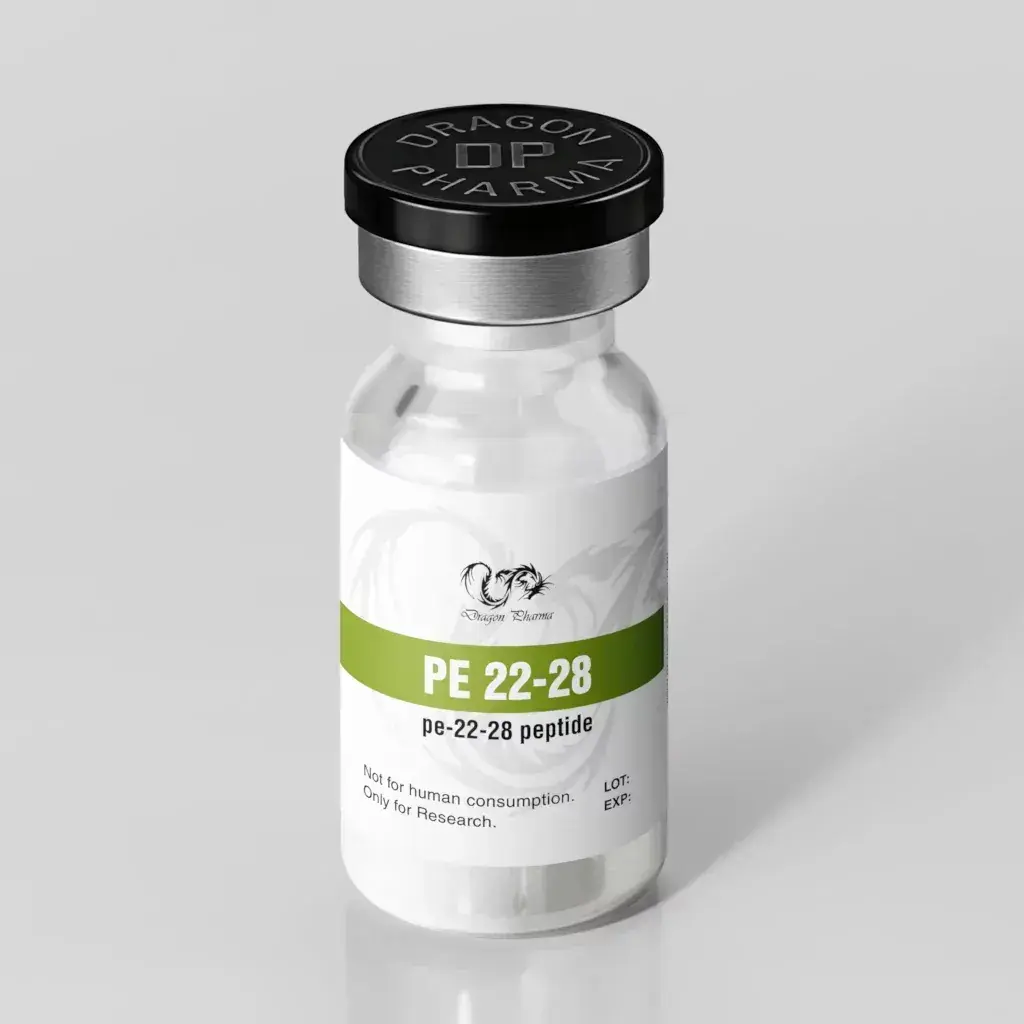
Lyophilized PE 22-28 should be stored tightly sealed in its original container, protected from light, and kept desiccated at -20°C for long-term storage. After reconstitution, store refrigerated at 2–8°C and use within 2–4 weeks. Avoid repeated freeze-thaw cycles.
Keep all peptides and injectable products out of the reach of children. Follow the storage instructions provided with the product packaging.
Further Safety Information