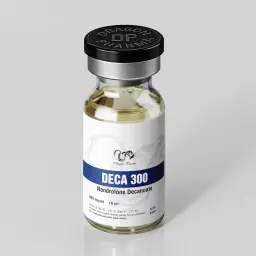


Toremfine 20 mg is an oral toremifene citrate tablet manufactured by Dragon Pharma, dosed at 20 mg per tablet in a 100-tablet package.
Toremfine 20 mg contains toremifene citrate, a selective estrogen receptor modulator (SERM) structurally related to tamoxifen. In medical practice, toremifene is approved for the treatment of metastatic breast cancer in postmenopausal women with estrogen-receptor positive or unknown tumors, dosed at 60 mg once daily. Toremifene is a chlorinated analog of tamoxifen that has been shown to be equally effective in clinical trials, with a safety profile that is at least not worse than tamoxifen in the first-line treatment of advanced breast cancer.
Toremifene works by binding to estrogen receptors and acting as an estrogen antagonist in breast tissue, inhibiting estrogen-dependent tumor growth. Its pharmacokinetics include a mean elimination half-life of approximately 5 days for the parent compound, with active metabolites N-desmethyltoremifene and (Deaminohydroxy) toremifene having half-lives of 6 and 4 days respectively. Toremifene is eliminated primarily in the feces, with about 10% excreted in urine over a week, and absorption is not influenced by food.
In non-medical bodybuilding contexts, toremifene is commonly referenced as an alternative to tamoxifen and raloxifene for post-cycle therapy (PCT) and gynecomastia management. Community protocols reference toremifene at 30–60 mg daily for on-cycle gynecomastia insurance and 60 mg daily for standalone PCT, with a rough mg-for-mg equivalence of 60 mg toremifene to 20 mg tamoxifen. The 20 mg strength of Dragon Pharma's Toremfine allows for flexible dosing relative to these community reference points.
Toremfine 20 mg is supplied as an oral tablet containing 20 mg of toremifene citrate per tablet. Oral administration allows for convenient once-daily dosing.
Toremifene citrate is a selective estrogen receptor modulator that acts as an estrogen antagonist in breast tissue and has been shown to be equally effective to tamoxifen in clinical trials.
Toremifene belongs to the triphenylethylene class of SERMs, structurally related to tamoxifen. It is a chlorinated analog of tamoxifen and was developed as an alternative with the hope of producing fewer uterotrophic effects. Toremifene acts as an estrogen receptor antagonist in breast tissue, inhibiting estrogen-dependent tumor growth. It is metabolized by cytochrome P450 enzymes into active metabolites including N-desmethyltoremifene, which also has anti-estrogen activity.
The pharmacokinetics of toremifene are characterized by a mean elimination half-life of approximately 5 days for the parent compound, with the active metabolite N-desmethyltoremifene having a half-life of approximately 6 days. Absorption is not influenced by food, and the drug may be taken with or without meals. Toremifene is eliminated primarily in the feces, with about 10% excreted in urine over a week, and elimination is slow in part because of enterohepatic circulation.
In clinical trials comparing toremifene to tamoxifen, the two drugs showed similar efficacy. A meta-analysis of seven randomized controlled trials including 2,061 patients found no statistically significant difference in objective response rate, time to progression, or overall survival between toremifene and tamoxifen in advanced breast cancer. The frequencies of most adverse events were also similar, with headache occurring less in the toremifene group.
Toremifene has a mean elimination half-life of approximately 5 days, with the active metabolite N-desmethyltoremifene having a half-life of about 6 days. This long half-life means steady-state plasma levels build smoothly over the first week on any fixed dose.
Dragon Pharma offers a range of SERMs and ancillary compounds relevant to cycle support and hormonal management. Toremfine 20 mg is positioned as a SERM option, complementing aromatase inhibitors and other recovery agents.
For alternative SERM options, Dragon Pharma offers Nolvadex (tamoxifen) and Raloxifene, which have different tissue selectivity profiles. For PCT protocols, Clomid is also commonly referenced. For estrogen management during cycles, Arimidex and Aromasin are aromatase inhibitors that reduce estrogen production rather than blocking receptors.
The information below is provided for educational reference only. Toremifene citrate is a prescription medication; medical use requires appropriate diagnosis, clinical supervision and ongoing monitoring. Non-medical use falls outside approved indications.
In medical practice, the approved dose of toremifene is 60 mg once daily for metastatic breast cancer, continued until disease progression. In non-medical bodybuilding contexts, toremifene is commonly referenced at 30–60 mg daily for on-cycle gynecomastia management, and 60 mg daily for standalone PCT, with a classic taper protocol of 120/90/60/30 mg over four weeks. A rough mg-for-mg equivalence of 60 mg toremifene to 20 mg tamoxifen is commonly cited in community references.
| Use Case | Common Reference Range | Frequency |
|---|---|---|
| Medical (breast cancer) | 60 mg | Once daily |
| Bodybuilding PCT (classic taper) | 120/90/60/30 mg | Once daily, 1 week each |
| Bodybuilding PCT (flat dose) | 60 mg | Once daily, 4–6 weeks |
| On-cycle gyno management | 30–60 mg | Once daily |
| Active gyno flare (rescue loading) | 120 mg | Once daily, 1–2 weeks |
Toremfine 20 mg tablets allow for flexible dosing to match the community reference points above. Community doses above the clinical 60 mg/day reflect the fact that users are antagonizing a supraphysiologic estrogen load from exogenous compounds.
Toremifene is not an anabolic compound and is not stacked for muscle-building purposes. It is used as a support ancillary during cycles where estrogen management is a concern, and in post-cycle therapy protocols. In non-medical contexts, toremifene may be used alongside other recovery agents such as Clomid or Nolvadex.
PCT timing depends on the ester of the last compound used. Community references suggest starting toremifene approximately 3 days after last pin of short esters like testosterone propionate, approximately 2 weeks after last pin of testosterone enanthate or cypionate, and approximately 3 weeks after last pin of nandrolone decanoate.
In clinical trials, the most common adverse reactions to toremifene included hot flashes (35%), sweating (20%), nausea (14%), vaginal discharge (13%), dizziness (9%), and edema (5%). Toremifene has been associated with dose-dependent QT interval prolongation, and should be avoided in patients with long QT syndrome, uncorrected hypokalemia, or uncorrected hypomagnesemia.
Hepatotoxicity, including grade 3 and 4 transaminitis and hyperbilirubinemia, has been reported in clinical trials and postmarketing with toremifene. Liver function tests should be performed periodically. In non-medical contexts, if palpitation history is present or other QT-active drugs are being stacked, a resting ECG before starting is recommended given toremifene's dose-dependent QT effect.
Toremifene is commonly referenced as a PCT agent in non-medical bodybuilding contexts. The 120/90/60/30 taper is the dominant PCT protocol, front-loading HPTA stimulation when LH and FSH are maximally suppressed post-cycle, then tapering as endogenous signaling resumes. No further taper is required after the final 30 mg week, as the long half-life provides its own natural washout over 2–3 weeks after the last dose.
Bloodwork cadence commonly referenced includes baseline panels before cycle, a 4-week PCT panel to confirm the restart is progressing, and an 8-week post-PCT panel to confirm recovery held after SERM clearance.
Dosing strategies and support protocols should be adjusted based on experience level and bloodwork where possible. The information above is for educational reference and does not constitute medical advice.
Toremifene citrate is a prescription medication that can affect cardiac, hepatic, and reproductive function. Medical use requires appropriate diagnosis, clinical supervision and ongoing monitoring.
Toremifene citrate carries a boxed warning for QT prolongation. Toremifene has been shown to prolong the QTc interval in a dose- and concentration-related manner. Prolongation of the QT interval can result in a type of ventricular tachycardia called Torsade de pointes, which may result in syncope, seizure, and/or death. Toremifene should not be prescribed to patients with congenital or acquired QT prolongation, uncorrected hypokalemia, or uncorrected hypomagnesemia.
Non-medical use of toremifene for post-cycle therapy or gynecomastia management during performance-enhancement cycles is not approved by regulatory agencies and may carry additional health risks. Product quality does not establish that non-medical use is safe or appropriate.
In the North American Study comparing toremifene 60 mg to tamoxifen 20 mg, the incidence of prospectively assessed clinical toxicities included hot flashes (35% vs 30%), sweating (20% vs 17%), nausea (14% vs 15%), vaginal discharge (13% vs 16%), dizziness (9% vs 7%), edema (5% vs 5%), vomiting (4% vs 2%), and vaginal bleeding (2% vs 4%). Approximately 1% of patients receiving toremifene discontinued treatment as a result of adverse reactions.
Toremifene has been associated with hepatotoxicity, including grade 3 and 4 transaminitis and hyperbilirubinemia, including jaundice, hepatitis, and non-alcoholic fatty liver disease. Liver function tests should be performed periodically. Endometrial cancer, endometrial hypertrophy, hyperplasia, and uterine polyps have been reported in some patients treated with toremifene.
Hypercalcemia and tumor flare have been reported in some breast cancer patients with bone metastases during the first weeks of treatment. Patients with a history of thromboembolic diseases should generally not be treated with toremifene.
Toremifene is contraindicated in patients with known hypersensitivity to the drug and in patients with congenital or acquired QT prolongation (long QT syndrome), uncorrected hypokalemia, or uncorrected hypomagnesemia. Caution should be exercised in patients with congestive heart failure, hepatic impairment, and electrolyte abnormalities. Hypokalemia or hypomagnesemia must be corrected prior to initiating toremifene, and these electrolytes should be monitored periodically during therapy.
Medically supervised toremifene therapy typically involves periodic monitoring of liver function tests and electrolytes. In patients at increased risk for QT prolongation, electrocardiograms (ECGs) should be obtained at baseline and as clinically indicated. All patients should have baseline and annual gynecological examinations, and patients at high risk of endometrial cancer should be closely monitored.
Keep the product securely stored and protected from conditions that could compromise the tablets or packaging. Inspect the product before use and do not use if it appears damaged or otherwise abnormal. Keep all medications out of the reach of children.
Toremfine 20 mg is supplied through the official Dragon Pharma distribution chain and shipped in original manufacturer packaging with discreet, privacy-focused handling.
The outer shipping package remains discreet, with privacy-focused handling and no unnecessary external product details. Products are supplied through the official Dragon Pharma distribution chain.
To verify your Toremfine 20 mg product, use the security code on the packaging and cross-check it on the Dragon Pharma official site. Official Dragon Pharma presentation and original packaging help reinforce product legitimacy and buyer confidence.
Proper storage conditions help preserve tablet integrity and stability throughout shelf life.
Store in a cool, dry place at controlled room temperature (15–25°C). Protect from excessive heat, moisture, and direct light. Keep the tablets in their original packaging until use.
Do not use if the packaging appears damaged or if the tablets show signs of deterioration. Keep out of reach of children.
Answers to common questions about Toremfine 20 mg, toremifene citrate, post-cycle therapy, product strength and safety considerations.
Toremfine 20 mg contains toremifene citrate, a SERM. In medical practice, it is used for the treatment of metastatic breast cancer in postmenopausal women. In non-medical bodybuilding contexts, it is commonly referenced for post-cycle therapy and gynecomastia management. Such use falls outside approved medical indications.
In medical practice, toremifene is taken once daily at 60 mg. In non-medical bodybuilding contexts, common reference points are 30–60 mg daily for gynecomastia management and 60 mg daily for PCT, with a classic taper of 120/90/60/30 mg over four weeks. Dosing should be individualized.
Toremifene is itself commonly used as a PCT agent, so it does not require a subsequent PCT. After a suppressive cycle, toremifene can help restore endogenous testosterone production by blocking estrogen feedback at the hypothalamus and pituitary. It may be used alongside other recovery agents like Clomid if desired.
Toremifene citrate is a SERM that binds to estrogen receptors and acts as an estrogen antagonist in breast tissue. It is a chlorinated analog of tamoxifen and has been shown to be equally effective in clinical trials. In bodybuilding contexts, this mechanism is used to block estrogen receptors in breast tissue and to stimulate endogenous testosterone production during PCT.
Toremifene has a mean elimination half-life of approximately 5 days, with steady-state plasma levels building smoothly over the first week on any fixed dose. For gynecomastia management, meaningful symptom reduction is typically expected within 7–14 days if caught early.
There is no single SERM that is universally best for PCT. Toremifene has been shown to be equally effective to tamoxifen in clinical trials, with a safety profile that is at least not worse. Other options like Nolvadex and Clomid are also commonly referenced, and the appropriate choice depends on individual response and circumstances.
Toremifene and tamoxifen are both SERMs in the triphenylethylene class, with toremifene being a chlorinated analog of tamoxifen. Clinical trials and meta-analyses have shown equal efficacy between the two drugs. Toremifene has been reported to have a slightly lower rate of adverse events, including less endometrial cancer, though not significantly different.
Nolvadex (tamoxifen) and toremifene are both SERMs with comparable efficacy in clinical trials. Toremifene is a chlorinated analog of tamoxifen and has been reported to have a slightly reduced risk of endometrial cancer and fewer genotoxic metabolites . Community references cite a rough mg-for-mg equivalence of 60 mg toremifene to 20 mg tamoxifen.
In medical practice, the approved dose is 60 mg once daily. The 20 mg strength of Dragon Pharma's Toremfine is below this clinical dose, allowing for flexible dosing. In non-medical bodybuilding contexts, 30–60 mg daily is commonly referenced for gynecomastia management and PCT.
Toremfine 20 mg is labeled at 20 mg of toremifene citrate per tablet. It is supplied in a 100-tablet package, giving 2,000 mg of total labeled toremifene citrate content.
Yes. Toremifene carries a boxed warning for QT prolongation. It has been shown to prolong the QTc interval in a dose- and concentration-related manner, which can result in Torsade de pointes. Toremifene should not be prescribed to patients with congenital or acquired QT prolongation, uncorrected hypokalemia, or uncorrected hypomagnesemia. In non-medical contexts, a resting ECG before starting is recommended if there is any palpitation history or if other QT-active drugs are being stacked.
For PCT, the 120/90/60/30 taper is the dominant community protocol, front-loading HPTA stimulation then tapering as endogenous signaling resumes. No further taper is required after the final 30 mg week, as the long half-life provides its own natural washout over 2–3 weeks after the last dose. For on-cycle gynecomastia dosing, no taper is required — stop when the cycle ends or transition directly into PCT dosing.