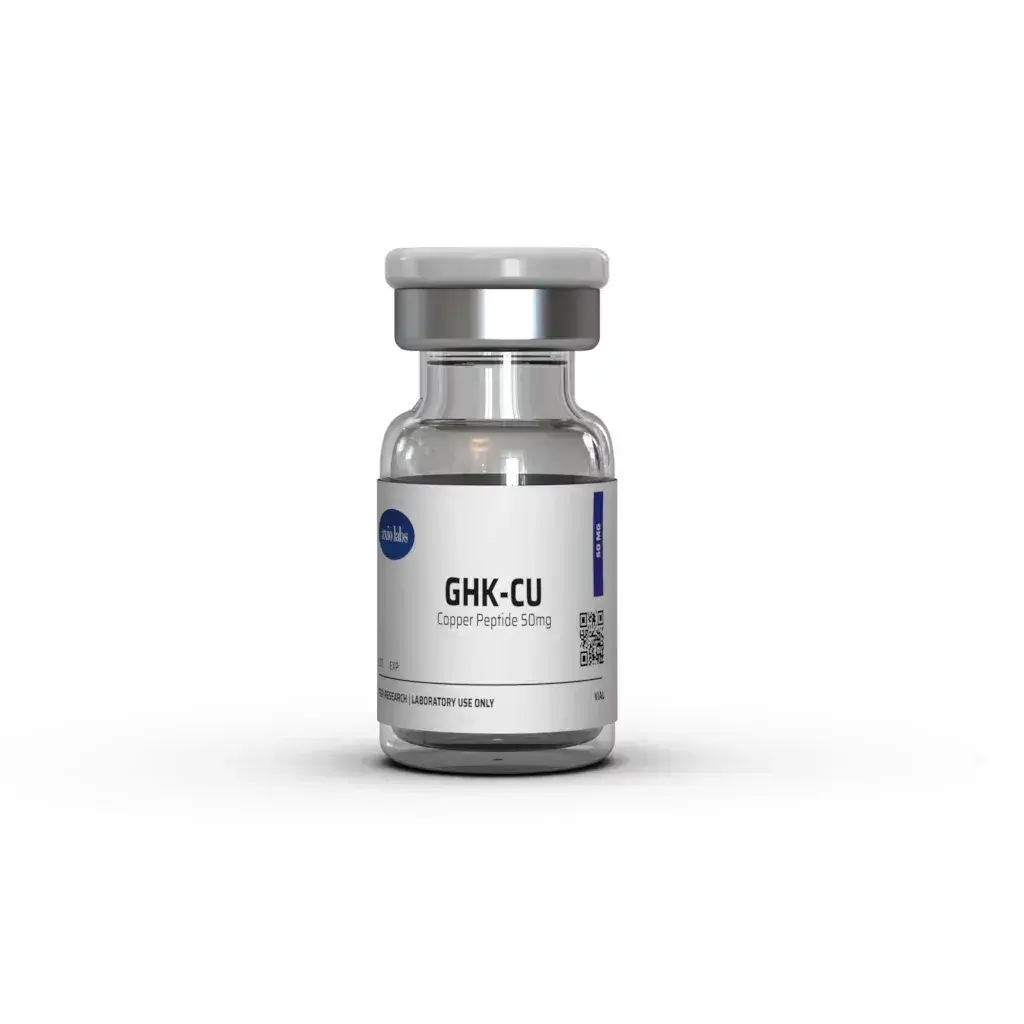
GHK-CU 50 mg is a lyophilized research peptide manufactured by Axiolabs containing GHK-CU (copper tripeptide-1) at 50 mg per vial, supplied as a powder for reconstitution in a 2 mL vial.
GHK-CU 50 mg contains the synthetic tripeptide glycyl-L-histidyl-L-lysine complexed with copper(II) ions. GHK is a naturally occurring human tripeptide found in blood plasma, saliva, and urine, with concentrations that decline significantly with age. The copper-bound form, GHK-CU, is the biologically active complex studied extensively in tissue remodeling and wound healing research.
In dermatological and tissue repair research, GHK-CU has demonstrated the ability to stimulate collagen synthesis, promote angiogenesis, and modulate inflammatory responses in both in vitro and animal models. Controlled studies on aged skin have shown that GHK-CU can improve skin elasticity, firmness, and reduce fine lines, making it a compound of interest for both topical cosmetic formulations and research applications.
In non-medical research contexts, GHK-CU is commonly referenced for its potential roles in connective tissue support, recovery, and skin-related applications. Injectable protocols for research purposes are discussed in community settings, though no FDA-approved injectable product exists and human safety data for this route of administration remains limited.
GHK-CU 50 mg is supplied as a lyophilized powder in a 2 mL vial. Lyophilization preserves peptide stability during storage and transport. The powder requires reconstitution with an appropriate solvent before experimental use.
GHK-CU is a copper-binding tripeptide with a long history in tissue remodeling research, studied for its roles in collagen synthesis, angiogenesis, and inflammatory modulation.
GHK (glycyl-L-histidyl-L-lysine) is a naturally occurring tripeptide with a high affinity for copper(II) ions. The GHK-CU complex forms spontaneously when the peptide encounters copper in biological systems. This complex acts as a delivery vehicle for copper, which serves as a cofactor for enzymes involved in collagen cross-linking and tissue repair.
The peptide's research history spans several decades. Studies have demonstrated that GHK-CU stimulates collagen, elastin, and glycosaminoglycan synthesis in fibroblasts, while also promoting angiogenesis and modulating inflammatory pathways. In controlled studies on aged skin, topical GHK-CU improved elasticity, firmness, and reduced photodamage.
In non-medical research contexts, injectable GHK-CU protocols are discussed for potential systemic effects on connective tissue and recovery. However, it is important to note that no adequately powered human trials have evaluated injected GHK-CU for skin quality, recovery, or anti-aging outcomes.
GHK-CU has no FDA-approved human product for injection. The FDA has not approved GHK-CU for oral, IV, or injectable treatments. Topical cosmetic formulations containing GHK-CU are widely available, but injectable use remains an investigational application.
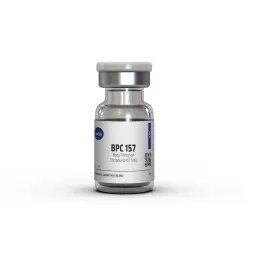
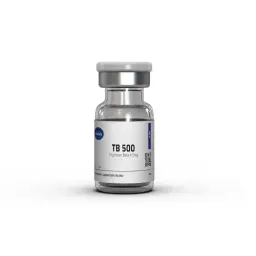
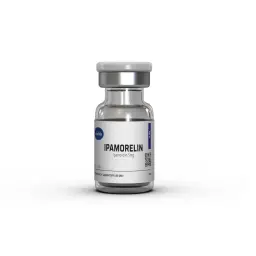
Axiolabs offers several research peptides with distinct mechanisms. TB 500 contains a thymosin beta 4 fragment with actin-binding properties, while BPC 157 is a pentadecapeptide derived from a gastric protein with different research applications. Ipamorelin is a growth hormone secretagogue that stimulates GH release through ghrelin receptor agonism.
In research discussions, GHK-CU is sometimes referenced alongside TB 500 and BPC 157 in tissue recovery contexts, as the three compounds have potentially complementary mechanisms. However, no human studies have evaluated these combinations.
The information below is provided for educational reference only. GHK-CU is a research peptide with no established human dosing. Non-medical use falls outside approved indications.
In non-medical research contexts, injectable GHK-CU protocols are described in community discussions and educational resources. Commonly referenced ranges for research protocols are 1–2 mg per injection, administered once or twice weekly. Some users reference more conservative titration protocols starting at 0.5–1 mg per day for the first week before adjusting.
| Use Case | Common Reference Range | Frequency |
|---|---|---|
| Standard research protocol | 1–2 mg per injection | Once or twice weekly |
| Conservative titration | 0.5–1 mg per day (week 1) | Daily, then adjust |
| Tissue-focused protocol | 1–2 mg near target area | 2–3 times weekly |
These ranges represent community-reported practices and are not derived from controlled clinical trials. No FDA-approved dosing guidelines exist for injectable GHK-CU.
GHK-CU 50 mg is supplied as a lyophilized powder. For research reconstitution, bacteriostatic water is commonly recommended to maintain sterility across multiple draws. The 50 mg vial content allows for flexible concentration selection based on solvent volume used. Once reconstituted, solutions should be refrigerated at 2–8°C and protected from light.
In non-medical research discussions, GHK-CU is sometimes referenced in combination with TB 500 and BPC 157 for tissue recovery protocols, with the three peptides proposed to have complementary mechanisms. Community protocols often reference 4-week active cycles followed by rest periods to prevent receptor desensitization.
GHK-CU has no established human dosing. Any information about non-medical use is derived from user-reported practices and is not validated by controlled clinical research. This information does not constitute medical advice.
GHK-CU is a research compound with limited human safety data for injectable use. Topical GHK-CU has a more established safety profile, but injectable administration introduces additional considerations.
GHK-CU is not approved for injectable human use by the FDA. The compound is intended for research purposes only. No prescribing information, established contraindications, or validated safety profile exists for injectable GHK-CU in humans.
Copper is not an inert substance. Free copper is a redox-active transition metal that can drive oxidative injury, and systemic copper loading has potential hepatic and neurological consequences. The peptide's biphasic dose response means that concentrations stimulating at low levels can be cytotoxic at higher ones.
Non-medical injectable use of GHK-CU falls outside approved indications and carries unknown risks. Product purity does not establish that non-medical use is safe or appropriate for an individual.
Because human safety data for injectable GHK-CU is limited, the full adverse effect profile is unknown. Theoretical concerns include copper toxicity with excessive dosing, which can cause multi-organ failure, neurologic impairment, and even death. Injection site reactions, including redness, irritation, or sensitivity, are common to subcutaneous peptide therapies.
GHK-CU promotes angiogenesis, which is why copper chelation has been investigated as an anti-angiogenic strategy in oncology. Promoting systemic angiogenesis in individuals with an undiagnosed malignancy is a theoretical concern.
No formal contraindications exist for GHK-CU because no approved injectable product exists. Precautionary considerations based on the compound's mechanisms include active malignancy or history of cancer, disorders of copper metabolism such as Wilson's disease, liver disease, pregnancy or breastfeeding, and known copper sensitivity.
Competitive athletes should be aware that GHK-CU is not currently on the WADA Prohibited List, but athletes subject to anti-doping testing should verify current status before use.
Because GHK-CU has no approved injectable human therapeutic use, no standardized monitoring protocols exist. Research or non-medical use should be accompanied by awareness of the lack of established safety parameters. Copper status and liver function are potential considerations in research contexts.
Store the lyophilized powder under conditions appropriate for research peptides. Inspect the vial before use and do not use a product that appears damaged or compromised.
Keep all research compounds out of the reach of children.
GHK-CU 50 mg is supplied through the official Axiolabs distribution chain and shipped in original manufacturer packaging with discreet, privacy-focused handling.
The outer shipping package remains discreet, with privacy-focused handling and no unnecessary external product details. Products are supplied through the official Axiolabs distribution chain.
To verify your GHK-CU 50 mg product, use the security code on the vial label and cross-check it on the Axiolabs official site. Official Axiolabs presentation and original packaging help reinforce product legitimacy and buyer confidence.
For complete delivery details, tracking policy, and reshipment terms, please see our Shipping Info page.
Proper storage conditions help preserve peptide stability and overall product integrity throughout shelf life.
Store the lyophilized powder in a cool, dry place away from direct light. For long-term storage of lyophilized research peptides, refrigeration or freezing is commonly recommended to preserve stability. Once reconstituted, peptide solutions typically require refrigerated storage at 2–8°C and should be protected from light.
Keep the vial in its original packaging until use. Inspect the powder before reconstitution and avoid use if it appears discolored, clumped, or if the vial or seal is compromised.
Keep out of reach of children. Follow proper handling practices when working with research compounds.
Answers to common questions about GHK-CU 50 mg, the GHK-CU peptide, and its research applications.
GHK-CU 50 mg contains the copper-binding tripeptide GHK-CU. In research settings, GHK-CU has been studied for its roles in collagen synthesis, tissue remodeling, and angiogenesis. In non-medical research contexts, it is commonly referenced for potential connective tissue and skin-related applications, though injectable use is not supported by completed human clinical trials.
There is no established human dosing schedule for injectable GHK-CU. In non-medical research discussions, protocols commonly reference 1–2 mg per injection, once or twice weekly. Some users follow a titration approach starting at lower doses. These figures represent community-reported practices and are not derived from controlled clinical trials.
GHK-CU is a peptide and does not suppress endogenous testosterone production in the way anabolic steroids do. Post-cycle therapy is not applicable to GHK-CU in the context of hormonal recovery. Research protocols typically include rest periods following active cycles.
GHK-CU is a copper-binding tripeptide that functions as a signaling molecule in tissue remodeling processes. Research has demonstrated its ability to stimulate collagen and elastin synthesis, promote angiogenesis, and modulate inflammatory pathways. The copper component serves as a cofactor for enzymes involved in connective tissue cross-linking.
No established timeline exists for injectable GHK-CU effects in humans. Topical GHK-CU studies on skin quality have typically evaluated outcomes over 12–24 weeks. Any timeline referenced for injectable use in non-medical contexts is based on user reports rather than controlled clinical observation.
GHK-CU is the most extensively studied copper peptide in dermatological and tissue remodeling research. However, there is no universally established "best" copper peptide, and injectable GHK-CU has not been validated in completed human trials for any indication.
GHK-CU and TB 500 are distinct research peptides with different origins and mechanisms. GHK-CU is a copper-binding tripeptide involved in tissue remodeling and collagen synthesis, while TB 500 contains a thymosin beta 4 fragment with actin-binding properties. They are investigated in different research contexts.
GHK-CU and BPC 157 have different structures and mechanisms. GHK-CU is a copper tripeptide with roles in collagen synthesis and angiogenesis, while BPC 157 is a pentadecapeptide derived from a gastric protein with different research applications. In non-medical research discussions, they are sometimes referenced together in tissue recovery contexts.
Without established human dosing, no milligram amount can be classified as appropriate or excessive. GHK-CU 50 mg is labeled at 50 mg of lyophilized powder per vial. In non-medical research discussions, 50 mg represents a common single-vial size that may cover an extended research protocol, but this does not establish any dosing guidance.
GHK-CU 50 mg is labeled at 50 mg of GHK-CU peptide per vial. It is supplied as a lyophilized powder in a 2 mL vial manufactured by Axiolabs.
No adequately powered human trials have evaluated injectable GHK-CU for safety or efficacy. Copper is not inert, and systemic copper loading has potential hepatic and neurological consequences. The absence of reported complications should not be interpreted as evidence of safety, as systematic surveillance is lacking.