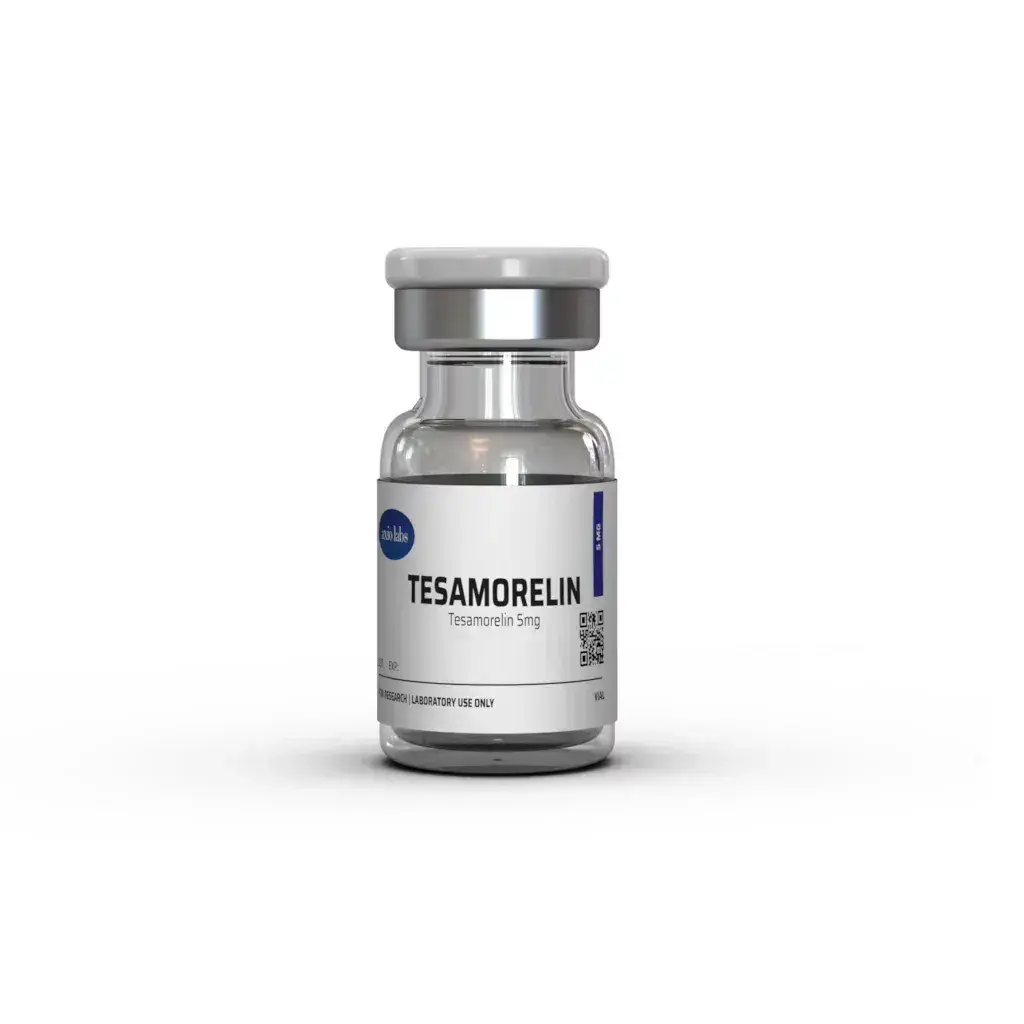
Tesamorelin 5 mg is a lyophilized powder growth hormone-releasing hormone analog manufactured by Axiolabs and supplied as 5 mg/vial in a 2 mL vial.
Tesamorelin 5 mg contains tesamorelin, a synthetic analog of growth hormone-releasing hormone (GHRH). Tesamorelin binds to and stimulates human GHRH receptors in the pituitary gland, promoting the synthesis and pulsatile release of endogenous growth hormone. This mechanism distinguishes it from exogenous growth hormone administration, as tesamorelin works through the body's own regulatory pathways to stimulate GH production.
In clinical medicine, tesamorelin received initial U.S. FDA approval in 2010 under the brand name EGRIFTA for the reduction of excess abdominal fat in HIV-infected patients with lipodystrophy. The FDA label explicitly states that tesamorelin is not indicated for weight loss management and has a weight-neutral effect. In non-medical bodybuilding contexts, tesamorelin is commonly referenced for its effects on body composition, including reductions in visceral fat and increases in lean body mass, though such use falls outside approved indications.
Tesamorelin stimulates growth hormone secretion, which subsequently increases IGF-1 and IGFBP-3 levels. Clinical trials have demonstrated significant reductions in visceral adipose tissue, trunk fat, and waist circumference, alongside increases in lean body mass. These body composition effects are the basis for its non-medical use in physique-oriented contexts. However, the long-term cardiovascular safety of tesamorelin has not been established, and medical supervision is required for appropriate use.
Tesamorelin 5 mg is supplied as a lyophilized powder requiring reconstitution with an appropriate diluent before subcutaneous administration. The lyophilized format supports stability during storage and transport.
Tesamorelin is a synthetic growth hormone-releasing hormone analog with a well-characterized mechanism of action, clinical evidence for visceral fat reduction, and a distinct safety profile compared to exogenous growth hormone.
Tesamorelin is a 44-amino acid peptide that acts as a growth hormone-releasing hormone (GHRH) receptor agonist. It binds to and stimulates human GHRH receptors with similar potency to endogenous GHRH, promoting the synthesis and pulsatile release of growth hormone from pituitary somatotroph cells. This mechanism preserves the body's natural pulsatile GH secretion pattern, which differs from the continuous elevation seen with exogenous GH administration.
Following subcutaneous administration, tesamorelin has a median peak plasma concentration (Tmax) of approximately 0.15 hours. The absolute bioavailability is less than 4% in healthy adults. The mean elimination half-life is approximately 26-38 minutes in healthy subjects and HIV-infected patients. Tesamorelin stimulates GH secretion, leading to increases in IGF-1 and IGFBP-3 levels.
Clinical studies in HIV-infected patients with lipodystrophy have demonstrated that tesamorelin significantly reduces visceral adipose tissue, trunk fat, and waist circumference while increasing lean body mass. A meta-analysis of randomized controlled trials found that tesamorelin was associated with significant reductions in visceral adipose tissue, trunk fat, hepatic fat percentage, and waist circumference, alongside a significant increase in lean body mass.
Tesamorelin stimulates endogenous growth hormone release through GHRH receptor agonism, preserving the body's pulsatile secretion pattern rather than providing continuous exogenous GH.
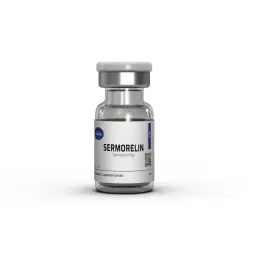
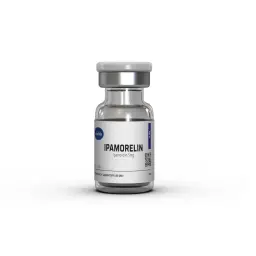
Axiolabs produces several peptide and hormone-related products referenced in different contexts. Tesamorelin 5 mg is a GHRH analog, placing it in a distinct category from growth hormone secretagogues such as Ipamorelin and Sermorelin. While all three stimulate endogenous GH release, they act through different receptors and pathways.
For those considering exogenous growth hormone, Axotropin HGH provides somatropin directly. The choice between GHRH analogs, GH secretagogues, and exogenous GH depends on individual goals, physiological considerations, and tolerance for the respective side effect profiles.
The information below is provided for educational reference only. Tesamorelin is a prescription medication; medical use requires appropriate diagnosis, clinical supervision, and ongoing monitoring. Non-medical use falls outside approved indications.
In FDA-approved labeling, tesamorelin is administered subcutaneously once daily at a dose of 1.28 mg for the EGRIFTA WR formulation or 1.4 mg for the EGRIFTA SV formulation. In non-medical bodybuilding contexts, tesamorelin is commonly referenced at doses of 1–2 mg per day, typically administered via subcutaneous injection in the evening to align with the body's natural GH secretion patterns.
| Use Case | Common Reference Range | Frequency |
|---|---|---|
| Medical (FDA-approved) | 1.28–1.4 mg / day | Once daily, subcutaneous |
| Bodybuilding (non-medical) | 1–2 mg / day | Once daily, evening injection |
| Research context | Per study protocol | Per study protocol |
In non-medical bodybuilding contexts, tesamorelin is sometimes referenced alongside anabolic compounds to support body composition goals, though such combinations have not been formally studied for safety or efficacy. The clinical evidence for tesamorelin's body composition effects comes from studies of HIV-infected patients with lipodystrophy, and these findings may not directly translate to healthy individuals or other populations.
Common side effects reported in clinical trials include injection site reactions, arthralgia, myalgia, paresthesia, and peripheral edema. The FDA label notes that injection site reactions are common and advises rotating injection sites. Increases in glucose intolerance and diabetes have been reported, and blood sugar should be monitored periodically.
Serious allergic reactions, while rare, may include rash, shortness of breath, hives, itching, and swelling of the face or throat. The long-term cardiovascular safety of tesamorelin has not been established.
Tesamorelin does not suppress the hypothalamic-pituitary-gonadal axis and does not require post-cycle therapy for testosterone recovery. However, it does stimulate the growth hormone/IGF-1 axis, and medical supervision is required for appropriate use.
Dosing strategies and support protocols should account for individual experience and health status. The information above is for educational reference and does not constitute medical advice.
Tesamorelin is a prescription peptide that stimulates growth hormone release and increases IGF-1 levels. Medical use requires appropriate diagnosis and ongoing clinical supervision.
Tesamorelin is contraindicated in patients with disruption of the hypothalamic-pituitary axis due to hypophysectomy, hypopituitarism, pituitary tumor or surgery, head irradiation, or head trauma. It is contraindicated in patients with active malignancy, as tesamorelin induces the release of endogenous growth hormone, a known growth factor.
The FDA label states that tesamorelin is not indicated for weight loss management and has a weight-neutral effect. The impact and safety of tesamorelin on cardiovascular health has not been studied.
Tesamorelin is not approved for bodybuilding or athletic performance enhancement. Non-medical use falls outside approved indications and may carry additional health risks beyond those associated with supervised medical use.
The most common adverse reactions reported in clinical trials include arthralgia, injection site reactions, pain in extremity, peripheral edema, and myalgia. Injection site reactions may include redness, irritation, bruising, bleeding, and pain.
Increases in glucose intolerance and diabetes have been reported, and blood sugar should be measured periodically. Serious allergic reactions, including rash, shortness of breath, hives, and swelling of the face or throat, require immediate medical attention.
Anti-tesamorelin antibodies were detected in 50% of patients receiving tesamorelin for 26 weeks in clinical trials. Cross-reactivity to endogenous GHRH was observed in approximately 60% of patients who developed anti-tesamorelin antibodies, though patients with and without antibodies had similar mean reductions in visceral adipose tissue and IGF-1 response.
Tesamorelin is contraindicated in patients with active malignancy, disruption of the hypothalamic-pituitary axis, known hypersensitivity to tesamorelin or excipients, and in pregnant women. Patients with a history of cancer, diabetes, kidney or liver problems should discuss these conditions with a healthcare provider before considering tesamorelin.
Medically supervised tesamorelin therapy typically involves monitoring of IGF-1 levels due to the potential effects of prolonged elevations. Blood glucose monitoring is recommended, particularly in patients with diabetes or risk factors for glucose intolerance. These monitoring practices are relevant to medical use; non-medical use lacks the same clinical oversight.
Store the lyophilized powder in the refrigerator at 2°C to 8°C (36°F to 46°F). Keep vials in their original packaging and protect from light. After reconstitution, use immediately or follow the specific storage instructions provided with the product. Do not freeze reconstituted solution unless directed. Keep out of reach of children.
Tesamorelin 5 mg is shipped in original manufacturer packaging with discreet, privacy-focused handling.
Outer packaging remains discreet with no external product details. Products are supplied in original manufacturer presentation.
To verify product authenticity, examine the packaging for manufacturer security features and compare against official Axiolabs presentation. Original packaging and consistent labeling help confirm product legitimacy.
For complete delivery details, please see our Shipping Info page.
Proper storage conditions are essential for maintaining the stability and potency of lyophilized peptide powder.
Store the lyophilized powder in the refrigerator at 2°C to 8°C (36°F to 46°F). Keep vials in their original packaging and protect from light. Do not use after the expiration date printed on the carton and vial labels. After reconstitution, use immediately or follow the specific storage instructions provided with the product. Do not freeze reconstituted solution unless directed by the product labeling.
Keep out of reach of children. Follow proper handling and sterile injection practices when administering the product.
Answers to common questions about Tesamorelin 5 mg, dosing, and product characteristics.
Tesamorelin 5 mg contains tesamorelin, a growth hormone-releasing hormone analog. In medical practice, it is FDA-approved for the reduction of excess abdominal fat in HIV-infected patients with lipodystrophy. In non-medical bodybuilding contexts, it is commonly referenced for body composition effects, though such use falls outside approved indications.
Tesamorelin is administered subcutaneously once daily. In bodybuilding contexts, evening injections are sometimes referenced to align with the body's natural GH secretion patterns. Medical dosing is individualized by a clinician.
No. Tesamorelin does not suppress the hypothalamic-pituitary-gonadal axis and does not require post-cycle therapy for testosterone recovery. It stimulates the growth hormone/IGF-1 axis, which is distinct from the hormonal pathways affected by anabolic steroids.
Tesamorelin binds to and stimulates GHRH receptors in the pituitary gland, promoting the synthesis and pulsatile release of endogenous growth hormone. This leads to increases in IGF-1 and IGFBP-3 levels. Clinical trials have demonstrated reductions in visceral adipose tissue, trunk fat, and waist circumference, alongside increases in lean body mass.
In clinical trials, significant changes in visceral adipose tissue and body composition were observed over 26 weeks of treatment. In bodybuilding discussions, some users reference noticeable effects on body composition within 4-8 weeks, though individual response varies and these timelines are based on non-medical user reports.
There is no universally "best" peptide for fat loss. Tesamorelin has the strongest clinical evidence for visceral fat reduction among GHRH analogs, but other peptides such as Ipamorelin and Sermorelin are also referenced in bodybuilding contexts. The appropriate choice depends on individual goals and clinical considerations.
Both tesamorelin and sermorelin are GHRH analogs that stimulate endogenous GH release, but they have different amino acid sequences and pharmacokinetic profiles. Tesamorelin has been extensively studied in clinical trials for visceral fat reduction in HIV-associated lipodystrophy, while sermorelin has been used for diagnostic purposes and GH deficiency. Axiolabs offers Sermorelin as its sermorelin product.
Tesamorelin is a GHRH receptor agonist, while ipamorelin is a ghrelin receptor agonist (GH secretagogue). They act through different receptors and pathways to stimulate GH release. Tesamorelin has clinical evidence for visceral fat reduction, while ipamorelin is referenced for its selective GH release without significant effects on cortisol or prolactin. Axiolabs offers Ipamorelin as its ipamorelin product.
In clinical trials, tesamorelin was studied at 2 mg daily. The FDA-approved dose for the current formulations is 1.28 mg (EGRIFTA WR) or 1.4 mg (EGRIFTA SV). In bodybuilding contexts, 2 mg is at the higher end of referenced ranges. Tesamorelin 5 mg contains 5 mg per vial, so a 2 mg dose would require reconstitution and measurement.
Tesamorelin 5 mg is supplied as 5 mg of tesamorelin per vial in a 2 mL vial. The lyophilized powder requires reconstitution before use.
Lab testing information for Tesamorelin 5 mg is not available on this page. For product-specific testing inquiries, please contact customer support.
Yes. Tesamorelin can increase glucose intolerance, and diabetes has been reported as an adverse effect. Blood sugar should be measured periodically during therapy, particularly in patients with diabetes or risk factors for glucose intolerance.