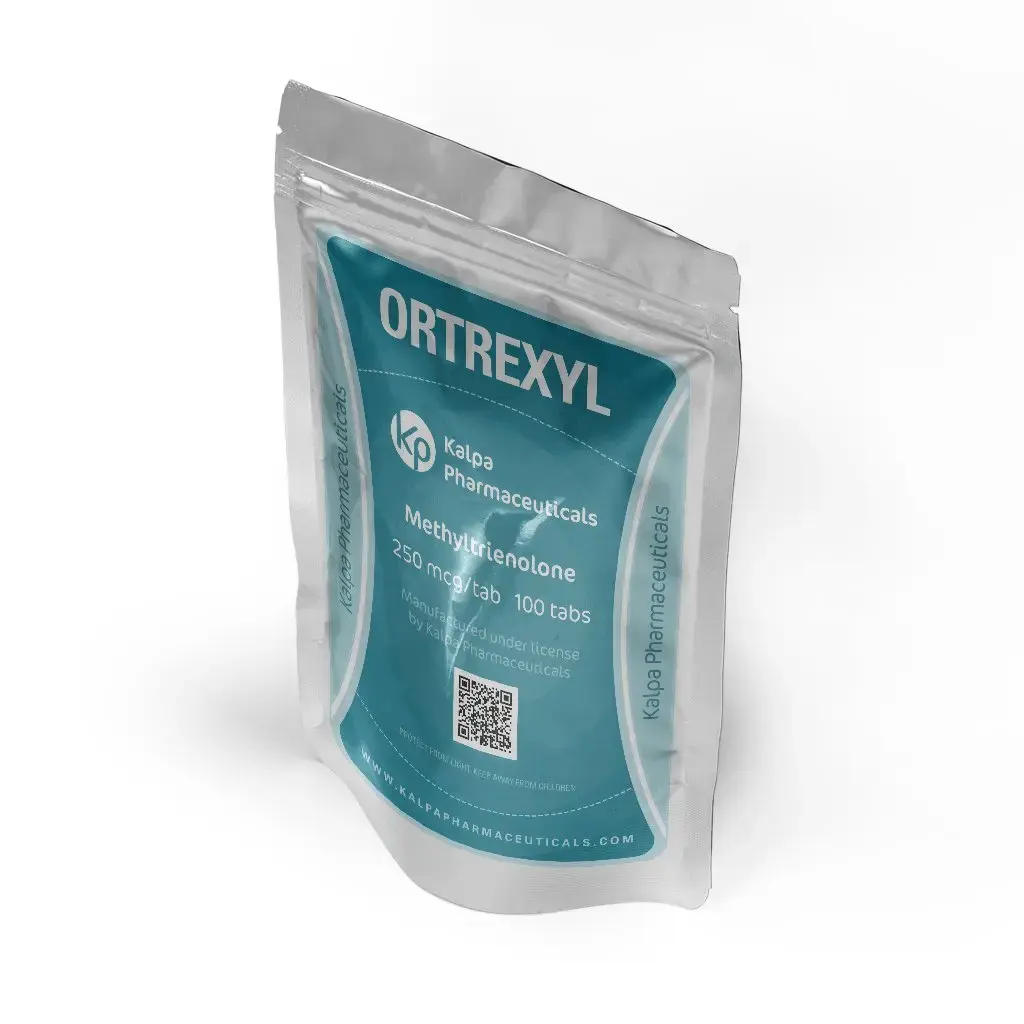
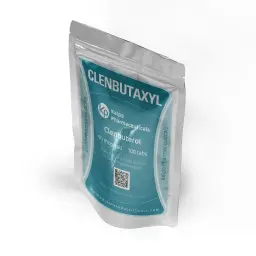
Ortrexyl 250 mcg is an oral methyltrienolone tablet manufactured by Kalpa Pharmaceuticals and dosed at 250 mcg per tablet, supplied in packs of 100 tablets.
Ortrexyl 250 mcg contains methyltrienolone, a 17-alpha-alkylated oral anabolic-androgenic steroid structurally related to trenbolone. Methyltrienolone was first synthesized in 1963 by a French pharmaceutical company but was never commercially produced due to its severe hepatotoxic effects. It binds extremely strongly to the androgen receptor, even surpassing testosterone, and is frequently used in scientific research as a reference compound for characterizing steroid-receptor binding properties.
Methyltrienolone has never been approved for medical use in humans due to its high toxicity and severe side effects. In non-medical bodybuilding contexts, it is sometimes referenced for pre-contest strength and hardness, but such use falls outside any approved indication and carries extreme risks.
Methyltrienolone is non-aromatizable, meaning it does not convert to estrogen. It is also resistant to the 5-alpha reductase enzyme, though its androgenic profile is already among the strongest of any anabolic steroid. The compound's defining characteristic is its extreme hepatotoxicity, which has been documented in clinical research.
Ortrexyl 250 mcg is supplied as an oral compressed tablet containing 250 mcg of methyltrienolone per unit, packaged in a 100-tablet format by Kalpa Pharmaceuticals.
Methyltrienolone is an extremely potent oral anabolic steroid characterized by profound androgen receptor affinity, non-aromatization, and severe hepatotoxicity. Its profile is unlike any other commonly referenced oral compound.
Methyltrienolone is essentially trenbolone that has undergone 17-alpha alkylation to allow oral activity. This structural modification also makes it extremely hepatotoxic. Clinical research from 1966 identified methyltrienolone as the most hepatotoxic steroid tested, causing biochemical symptoms of intrahepatic cholestasis at doses between 0.1 and 1.0 mg per day.
The compound binds very strongly to the androgen receptor, binds scarcely to plasma proteins, and is metabolized only minimally. Its anti-catabolic properties involve binding to glucocorticoid receptors, potentially inhibiting cortisol and other catabolic hormones.
Methyltrienolone was never approved for medical use and is regulated as a Schedule III controlled substance in the United States. It is prohibited in sports under Group S1 (anabolic agents) on the World Anti-Doping Agency's Prohibited List.
Methyltrienolone has an active life of approximately four to six hours. Non-medical users often split daily doses into multiple administrations to maintain effects throughout the day.
Kalpa Pharmaceuticals offers several oral anabolic preparations with vastly different potencies and risk profiles. The main distinctions involve hepatotoxicity, androgenic strength, and intended application.
For those comparing oral options, Dianoxyl 10 (methandienone) is a potent bulking oral but is aromatizable and associated with water retention. Anadroxyl (oxymetholone) is another potent mass-building oral, generally considered less hepatotoxic than methyltrienolone. Haloxyl (fluoxymesterone) offers strong androgenic activity with less extreme liver stress. For cutting phases, Stanoxyl 10 (stanozolol) is a non-aromatizing alternative with a more favorable safety profile.
The information below is provided for educational reference only. Methyltrienolone is a Schedule III controlled substance in the United States and has never been approved for medical use in humans. Non-medical use falls outside any approved indication and carries extreme hepatotoxic risk.
No FDA-approved dosing exists for methyltrienolone, as the compound was abandoned before commercial development due to toxicity. In non-medical bodybuilding contexts, anecdotal reports reference doses ranging from 250 mcg to 1 mg per day, though such use is widely described as extremely hazardous. Clinical research from 1966 identified hepatotoxic effects at doses as low as 0.1 mg per day.
| Use Case | Common Reference Range | Frequency |
|---|---|---|
| Medical | No approved human dosing | Not applicable |
| Non-medical (anecdotal) | 250–500 mcg per day | Divided doses (2–3x daily) |
| Non-medical (higher reference) | 750 mcg–1 mg per day | Divided doses |
| Pre-workout only (anecdotal) | 500 mcg–1 mg | Single dose |
Non-medical discussion of methyltrienolone typically emphasizes very short cycle durations due to its extreme hepatotoxicity. Anecdotal reports commonly reference cycle lengths of 2–4 weeks maximum, with many experienced users recommending against oral use entirely in favor of injectable trenbolone preparations.
Methyltrienolone is sometimes referenced as a pre-workout compound for strength rather than as a primary anabolic driver. When discussed in non-medical contexts, it is generally not stacked with other 17-alpha-alkylated orals due to compounded liver stress.
Methyltrienolone's primary risk is severe hepatotoxicity. Clinical research has documented intrahepatic cholestasis at doses as low as 0.1 mg per day. Liver function monitoring is essential in any context, and symptoms such as jaundice or dark urine warrant immediate medical evaluation.
Androgenic side effects are also significant due to the compound's extreme androgen receptor affinity. These may include prostate enlargement, oily skin, acne, and accelerated hair loss in genetically predisposed individuals. Aromatase inhibitors such as Arimixyl 1 mg are not relevant for methyltrienolone itself since it does not aromatize.
Methyltrienolone suppresses endogenous testosterone production. In non-medical bodybuilding contexts, post-cycle therapy is commonly referenced after any cycle involving this compound. Agents such as Clomixyl 50 mg or Nolvaxyl 20 mg are commonly discussed for this purpose, though medical guidance is strongly advised.
PCT protocols vary based on cycle length, compounds used, and individual response. Bloodwork can help inform recovery strategy.
Dosing strategies and support protocols should be adjusted based on experience level, health status, and bloodwork where possible. The information above is for educational reference and does not constitute medical advice.
Methyltrienolone is an extremely hepatotoxic anabolic steroid that has never been approved for medical use. Its safety profile is among the worst of any anabolic compound.
Methyltrienolone was never commercially produced or approved for medical use due to its severe hepatotoxic effects. Clinical research from 1966 identified it as the most hepatotoxic steroid tested, causing biochemical symptoms of intrahepatic cholestasis at doses between 0.1 and 1.0 mg per day.
Non-medical use of methyltrienolone falls outside any approved indication and carries extreme risks of liver injury, cardiovascular events, and hormonal suppression.
Methyltrienolone is a Schedule III controlled substance in the United States and is prohibited in sports. Non-medical use is associated with serious health risks, including severe liver injury and cardiovascular events.
Hepatotoxicity is the defining risk of methyltrienolone. Clinical research documented intrahepatic cholestasis at doses as low as 0.1 mg per day, with the compound described as the most hepatotoxic steroid. Symptoms may include jaundice, dark urine, and elevated liver enzymes.
Androgenic side effects are significant due to extreme androgen receptor affinity. These may include prostate enlargement, oily skin, acne, and accelerated male pattern baldness in predisposed individuals.
Cardiovascular effects include decreased HDL cholesterol, increased LDL cholesterol, and elevated blood pressure, associated with increased atherosclerosis risk.
Endogenous testosterone production is suppressed during use.
Methyltrienolone is contraindicated in men with known or suspected prostate or breast cancer, in women who are or may become pregnant, and in patients with any hepatic dysfunction.
Pre-existing cardiovascular disease, liver disease, diabetes, and prostate conditions require careful evaluation before any consideration of methyltrienolone use. Given the compound's extreme hepatotoxicity, any use is strongly discouraged.
Any use of methyltrienolone would necessitate frequent liver function monitoring, hemoglobin and hematocrit evaluation, serum lipid assessment, and blood pressure monitoring. Symptoms such as jaundice or abdominal pain warrant immediate medical attention.
Laboratory testing of the product itself is separate from clinical monitoring of the person using the compound.
Store in a cool, dry place away from direct light and moisture. Keep tablets in the original packaging until use. Keep out of reach of children.
Ortrexyl 250 mcg is supplied through the official Kalpa Pharmaceuticals distribution chain and shipped in original manufacturer packaging with discreet, privacy-focused handling.
The outer shipping package remains discreet, with privacy-focused handling and no unnecessary external product details. Products are supplied through the official Kalpa Pharmaceuticals distribution chain.
To verify your Ortrexyl 250 mcg product, use the security code on the packaging and cross-check it on the Kalpa official site. Original Kalpa Pharmaceuticals presentation and packaging help reinforce product legitimacy and buyer confidence.
For complete delivery details, tracking policy, and reshipment terms, please see our Shipping Info page.
Proper storage conditions help preserve tablet integrity and stability throughout shelf life.
Store Ortrexyl 250 mcg in a cool, dry place away from excessive heat, moisture, and direct light. Maintaining stable conditions helps preserve the integrity of the tablets.
Keep the tablets in their original packaging until use. Do not use if the packaging is damaged or if the tablets appear abnormal in color or texture.
Keep out of reach of children. Follow proper handling practices for oral medications.
Answers to common questions about Ortrexyl 250 mcg, methyltrienolone, its extreme potency, and safety considerations.
Ortrexyl 250 mcg contains methyltrienolone, which has never been approved for medical use due to its severe hepatotoxicity. In non-medical bodybuilding contexts, it is sometimes referenced for pre-contest strength and hardness, though such use falls outside any approved indication and carries extreme health risks.
Methyltrienolone has an active life of approximately four to six hours. Non-medical users often split daily doses into two or three administrations, though any use is strongly discouraged due to hepatotoxic risk.
Methyltrienolone suppresses endogenous testosterone production. In non-medical bodybuilding contexts, post-cycle therapy is commonly referenced after any cycle involving this compound. Agents such as Clomixyl 50 mg or Nolvaxyl 20 mg are commonly discussed for this purpose.
Methyltrienolone binds extremely strongly to the androgen receptor, even surpassing testosterone, and is used in research as a reference compound for receptor binding studies. It also binds to glucocorticoid receptors, potentially inhibiting cortisol and other catabolic hormones. It is non-aromatizable and resistant to 5-alpha reductase.
Methyltrienolone has an active life of only four to six hours. Anecdotal reports describe rapid effects on strength and aggression, sometimes within hours of administration, but these are accompanied by extreme hepatotoxic risk.
Methyltrienolone is frequently described as one of the most potent androgens ever synthesized, with an extremely high anabolic-to-androgenic ratio and profound androgen receptor affinity. However, it is also the most hepatotoxic steroid documented in clinical research. Other orals such as Dianoxyl 10, Anadroxyl, and Haloxyl have different potency and safety profiles.
Methyltrienolone is essentially trenbolone that has undergone 17-alpha alkylation to allow oral activity. While trenbolone is injectable and has been approved for veterinary use, methyltrienolone was never approved for any use due to its extreme hepatotoxicity.
Methyltrienolone and stanozolol are both oral 17-alpha-alkylated anabolic steroids that do not aromatize. However, methyltrienolone is far more potent and far more hepatotoxic, having been documented as the most hepatotoxic steroid in clinical research. Stanozolol has a more favorable safety profile, though it is also 17-alpha-alkylated.
Clinical research from 1966 documented hepatotoxic effects at doses as low as 0.1 mg (100 mcg) per day. A 250 mcg dose is above that threshold. In non-medical contexts, doses ranging from 250 mcg to 1 mg per day are referenced anecdotally, but any dose carries extreme liver risk.
Ortrexyl 250 mcg is labeled at 250 mcg of methyltrienolone per tablet. It is supplied in packs of 100 tablets, giving 25,000 mcg of total labeled methyltrienolone content per pack.
Yes, methyltrienolone is detectable in doping control samples. It is specifically listed as a prohibited substance under Group S1 on the World Anti-Doping Agency's Prohibited List. The first positive cases involving methyltrienolone were detected in 2008, with 15 Greek athletes testing positive.
Laboratory testing information for Ortrexyl 250 mcg is not currently available in this product listing. Kalpa Pharmaceuticals products are manufactured under pharmaceutical-grade conditions, but independent lab reports are not published for this specific product at this time.
September 20, 2021
This was my first run at oral tren. I started at 1 pill a day for 3 days to assess tolerance and sides. I found the product peak time within 1 hour of oral administration. Mood aggression and a serious zone sense of well being during the workout. After 2 weeks I concluded that 2 pills 1 hour prior to workout was plenty for my goals. Increased vascularity and muscle belly fullness. Perfect precontest aid at a great price. I will keep Kalpa at my highest source for quality and reliability.