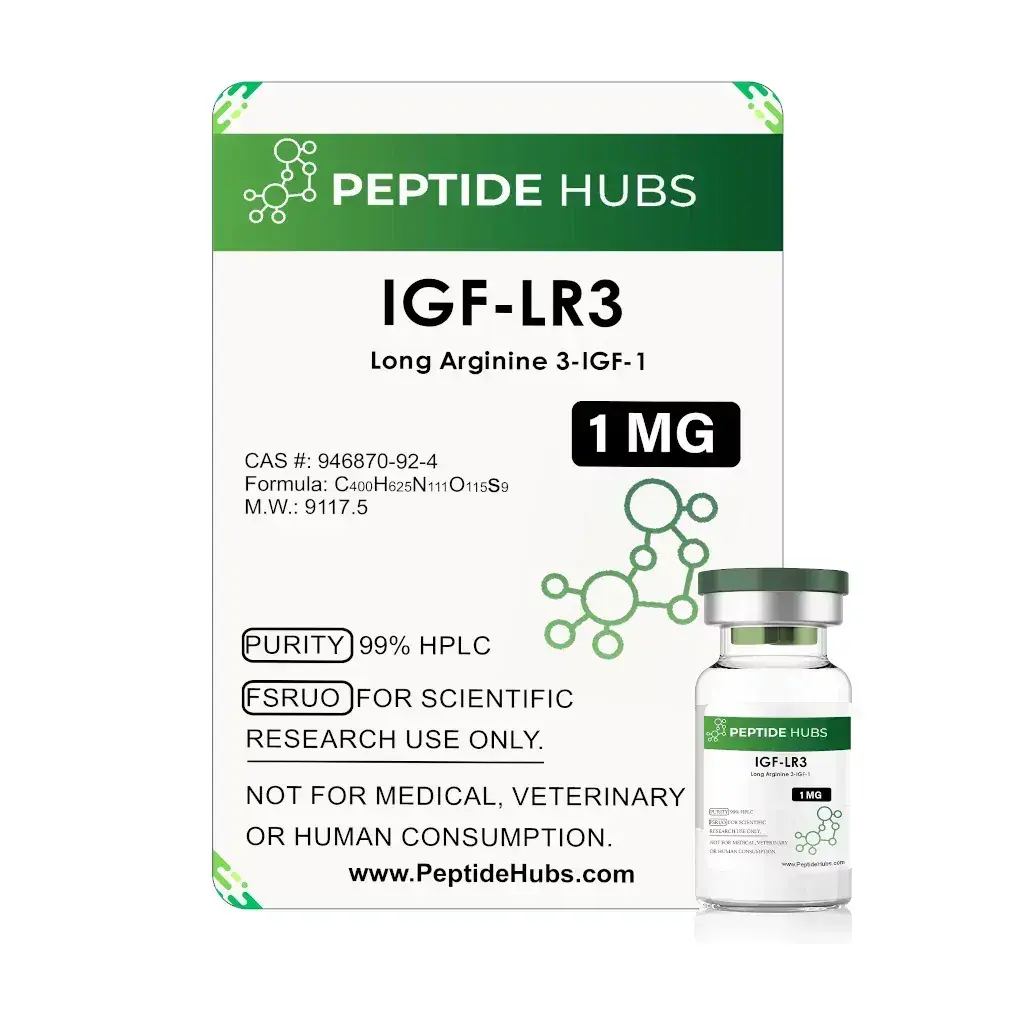
IGF-1 LR3 1 mg is a lyophilized Long R3 Insulin-like Growth Factor-1 research product manufactured by Peptide Hubs and supplied as a 1 mg/vial powder in a 2 mL vial.
IGF-1 LR3 1 mg contains Long R3 IGF-1 (LR3), a synthetic 83-amino-acid analog of human insulin-like growth factor-1. LR3 is engineered with an N-terminal arginine extension and a glutamate-to-arginine substitution at position 3, which reduces its binding to IGF-binding proteins (IGFBPs) by more than 100-fold compared to native IGF-1 . This modification keeps the peptide circulating in its free, active form, extending its functional half-life to approximately 20–30 hours .
IGF-1 LR3 is primarily used as a research reagent in cell culture and bioprocessing applications. It is a potent growth and survival factor for mammalian cells, supporting proliferation of Chinese hamster ovary (CHO) cells, human embryonic kidney (HEK293) cells, and other production cell lines at concentrations 200-fold lower than required for insulin . Its mechanism involves activation of the Type I IGF receptor (IGF-1R) and, at higher concentrations, cross-activation of the insulin receptor .
IGF-1 LR3 is not approved for human use by any regulatory agency. No human clinical trials have been conducted, and all safety information is extrapolated from native IGF-1 data and mechanistic reasoning . In non-medical bodybuilding contexts, it is referenced for its anabolic and nutrient-partitioning effects, though such use falls outside approved indications and carries significant health risks.
IGF-1 LR3 1 mg is supplied as a lyophilized (freeze-dried) powder in a 2 mL vial. Reconstitution with an appropriate solvent is required before use in research contexts.
IGF-1 LR3 is a synthetic 83-amino-acid peptide with a molecular weight of approximately 9,110 Da. Its modifications reduce IGFBP binding by over 100-fold compared to native IGF-1 .
IGF-1 LR3 belongs to the class of IGF-1 analogs engineered for enhanced bioavailability. Native IGF-1 is sequestered by IGF-binding proteins, which limit its free concentration and regulate its access to receptors. LR3 bypasses this regulatory system, remaining essentially entirely in its free, bioactive form .
In cell culture, IGF-1 LR3 activates the Type I IGF receptor (IGF-1R) with high potency, triggering downstream signaling through the PI3K/Akt/mTOR pathway (promoting protein synthesis and survival) and the Ras/MAPK/ERK pathway (driving cell cycle progression) . The peptide also cross-activates the insulin receptor at higher concentrations, contributing to its glucose-lowering effects .
In non-medical bodybuilding contexts, IGF-1 LR3 is referenced for its insulin-like nutrient partitioning effects and potential anabolic activity. However, the IGF-1/IGF-1R axis is a well-characterized oncogenic pathway, and LR3's IGFBP bypass removes a critical regulatory brake on this signaling .
IGF-1 LR3 is distinguished by its engineered resistance to IGF-binding proteins, which keeps it in the free, active form and extends its functional half-life to approximately 20–30 hours . This contrasts with native IGF-1, which is rapidly sequestered by IGFBPs.
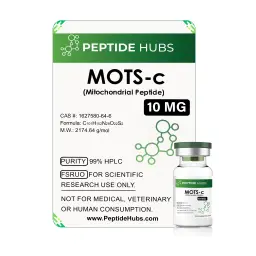
Peptide Hubs offers several peptides targeting growth-related pathways. Within this lineup, MOTS-C is a mitochondrial-derived peptide studied for metabolic regulation through AMPK activation, representing a different mechanism entirely .
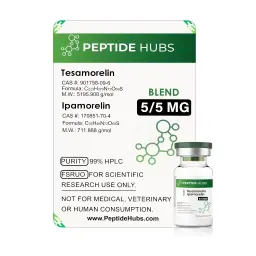
For research focused on GH secretagogue pathways rather than direct IGF-1 receptor activation, Ipamorelin and CJC-1295 No DAC act upstream at the pituitary to stimulate endogenous GH release. Sermorelin is a GHRH analog also acting at the pituitary level. These peptides are not interchangeable with IGF-1 LR3, which acts directly at the IGF-1 receptor.
The information below is provided for educational reference only. IGF-1 LR3 is not an FDA-approved human drug. Its use for any non-medical purpose falls outside approved indications, and no established human dosing regimen exists .
Because IGF-1 LR3 lacks FDA approval and human clinical trials, there is no medically established dosage range. In non-medical research communities, reference ranges are derived from community convention. Commonly referenced ranges are 20–80 mcg per day, with cycle lengths held to 4–6 weeks because of receptor downregulation concerns.
| Use Case | Common Reference Range | Injection Frequency |
|---|---|---|
| Conservative research protocol (non-medical) | 20–40 mcg | Once daily, 4 weeks |
| Standard research protocol (non-medical) | 40–80 mcg | Once daily, 4–6 weeks |
| Advanced research protocol (non-medical) | 80–120 mcg | Once daily, 4–6 weeks |
These ranges are community conventions, not evidence-based medical recommendations. IGF-1 LR3 has not been evaluated in human clinical trials, and the actual dose-response relationship in humans is unknown .
IGF-1 LR3 1 mg is supplied as a lyophilized powder and requires reconstitution before use. A 1 mg vial reconstituted with 1 mL of bacteriostatic water yields a concentration of 1,000 mcg/mL, meaning a 40 mcg dose would require drawing 0.04 mL (4 units on a U-100 insulin syringe).
Reconstituted solution should be stored refrigerated at 2–8°C and used within approximately 2–4 weeks. Avoid repeated freeze-thaw cycles.
In non-medical bodybuilding contexts, IGF-1 LR3 is sometimes discussed in combination with GH secretagogues. Some research-focused protocols reference combining it with MOTS-C for complementary metabolic effects, though this represents an unstudied combination .
Cycle lengths are typically limited to 4–6 weeks due to receptor downregulation, with 4–6 weeks off between cycles for receptor resensitization[citation:7].
No human pharmacokinetic or dose-response data exists for IGF-1 LR3. All dosage information is derived from community convention or cell culture research and should not be interpreted as medical guidance.
IGF-1 LR3 is not approved for human use by any regulatory agency. No human clinical trials have been conducted, and all safety information is extrapolated from native IGF-1 data and mechanistic reasoning .
IGF-1 LR3 has never been evaluated in a human clinical trial. Its enhanced potency compared to native IGF-1—due to IGFBP bypass—may amplify known adverse effects including hypoglycemia and mitogenic stimulation . The FDA-approved labeling for mecasermin (native IGF-1) includes a boxed warning regarding hypoglycemia, the highest level of safety communication.
IGF-1 LR3 is prohibited by WADA and its use by athletes constitutes a doping violation . Products obtained from unregulated sources may pose additional risks including contamination, incorrect identity, or inaccurate potency.
IGF-1 LR3 is sold strictly as a research chemical for laboratory use only. It is not intended for human consumption, medical treatment, or veterinary applications. Non-medical use falls outside approved indications .
Hypoglycemia is the most immediate and clinically significant risk. IGF-1 LR3 binds to insulin receptors with sufficient affinity to lower blood glucose, and in clinical experience with native IGF-1, hypoglycemia is the most commonly reported adverse effect[citation:12]. Symptoms include dizziness, cold sweats, shaking, confusion, and in severe cases, loss of consciousness. Human data with intravenous rhIGF-1 showed blood glucose dropping to 36 mg/dL within 30 minutes at 100 mcg/kg.
Oncogenic risk is a major long-term concern. The IGF-1/IGF-1R signaling axis is a well-characterized oncogenic pathway, and epidemiological studies have consistently linked higher circulating IGF-1 levels to increased risk of prostate, breast, and colorectal cancers. IGF-1 LR3 bypasses the IGFBP system, removing both the concentration-limiting effect and the independent tumor-suppressive activities of IGFBPs, potentially amplifying oncogenic risk[citation:12].
Acromegaloid effects with chronic supraphysiologic use may include soft tissue swelling, jaw changes, and organ growth . Receptor downregulation occurs with extended use, leading to diminishing returns and requiring 4–6 weeks off between cycles[citation:7].
Individuals with active or suspected cancer should not be exposed to IGF-1 LR3 under any circumstances . The peptide is contraindicated in pregnancy and in children with closed epiphyses due to risks of skeletal overgrowth.
IGF-1 LR3 should not be combined with insulin or oral hypoglycemic agents due to additive hypoglycemia risk, nor with high-dose GH due to redundant signaling and increased risk[citation:12].
No established monitoring protocol exists for non-medical IGF-1 LR3 use. Clinical experience with native IGF-1 suggests that blood glucose monitoring is essential, and patients are advised to eat a meal or snack within 20 minutes of administration. Regular blood work and cancer screening are emphasized in safety discussions.
Store lyophilized powder at -20 to -80°C, protected from moisture . Reconstituted solutions should be stored refrigerated at 2–8°C and used within 1 week. Avoid repeated freeze-thaw cycles. Keep out of reach of children.
IGF-1 LR3 1 mg is supplied through the official Peptide Hubs distribution chain and shipped in original manufacturer packaging with discreet handling.
The outer shipping package remains discreet, with privacy-focused handling. Products are supplied through the official Peptide Hubs distribution chain.
To verify your IGF-1 LR3 1 mg product, use the security code on the vial label and cross-check it on the Peptide Hubs official site. Original packaging and manufacturer presentation help reinforce product legitimacy.
For complete delivery details, tracking policy, and reshipment terms, please see our Shipping Info page.
Proper storage conditions help preserve peptide stability and integrity throughout shelf life.
Store lyophilized powder at -20 to -80°C, protected from moisture . Reconstituted stock solutions should be aliquoted and stored at -20°C, avoiding repeated freeze-thaw cycles.
Once reconstituted for working use, store refrigerated at 2–8°C and use within 1 week.
Keep out of reach of children. Follow proper handling practices.
Answers to common questions about IGF-1 LR3 1 mg, Long R3 IGF-1, and research peptide handling.
IGF-1 LR3 1 mg is a research reagent used primarily as a cell culture growth factor supplement . It is a synthetic analog of human IGF-1 engineered for reduced IGFBP binding and extended activity. It is not approved for any human use, and non-medical use falls outside approved indications.
No established human dosing schedule exists. Community protocols commonly reference once-daily subcutaneous administration due to the extended half-life of approximately 20–30 hours.
IGF-1 LR3 does not suppress endogenous testosterone production and does not require post-cycle therapy in the way anabolic steroids do . However, any non-medical peptide use should be approached with extreme caution given the complete absence of human safety data.
IGF-1 LR3 activates the Type I IGF receptor (IGF-1R), triggering downstream signaling through PI3K/Akt/mTOR (promoting protein synthesis and survival) and Ras/MAPK/ERK (driving cell proliferation) . It also cross-activates the insulin receptor at higher concentrations, producing glucose-lowering effects.
IGF-1 LR3 has an extended functional half-life of approximately 20–30 hours . In cell culture, measurable proliferative effects occur at concentrations beginning around 1–10 ng/mL, with maximal stimulation typically achieved at 50–100 ng/mL.
There is no universally “best” growth factor. IGF-1 LR3 is a potent research reagent for cell culture, but it is not approved for human use and carries significant risks including hypoglycemia and oncogenic concerns[citation:12].
HGH works upstream through growth hormone receptor signaling to stimulate endogenous IGF-1 production, while IGF-1 LR3 acts directly at the IGF-1 receptor with longer free exposure . HGH is FDA-approved for specific indications; IGF-1 LR3 is not approved for human use.
IGF-1 LR3 activates IGF-1 receptor signaling for growth and proliferation, while MOTS-C is a mitochondrial-derived peptide that activates AMPK and regulates metabolic gene expression. They target entirely different biological pathways.
80 mcg is within the upper range commonly referenced in community protocols (40–80 mcg per day for standard use). Without human dose-response data, it is impossible to characterize any amount as appropriate or excessive.
IGF-1 LR3 1 mg is labeled at 1 mg of IGF-1 LR3 per vial. It is supplied as a lyophilized powder in a 2 mL vial.
Store the lyophilized powder at -20 to -80°C, protected from moisture . Reconstituted solutions should be stored refrigerated at 2–8°C and used within 1 week.
Laboratory testing information for this IGF-1 LR3 product is not currently available. Products obtained from unregulated sources may pose additional risks including contamination, incorrect identity, or inaccurate potency.