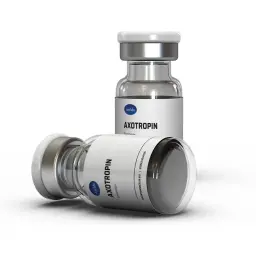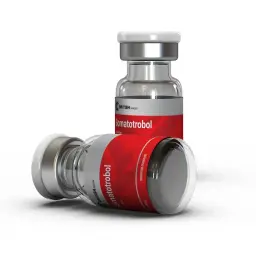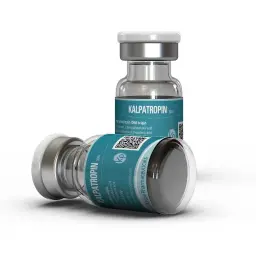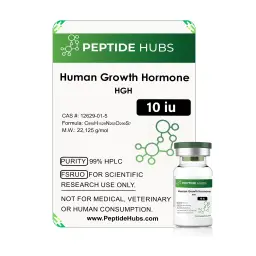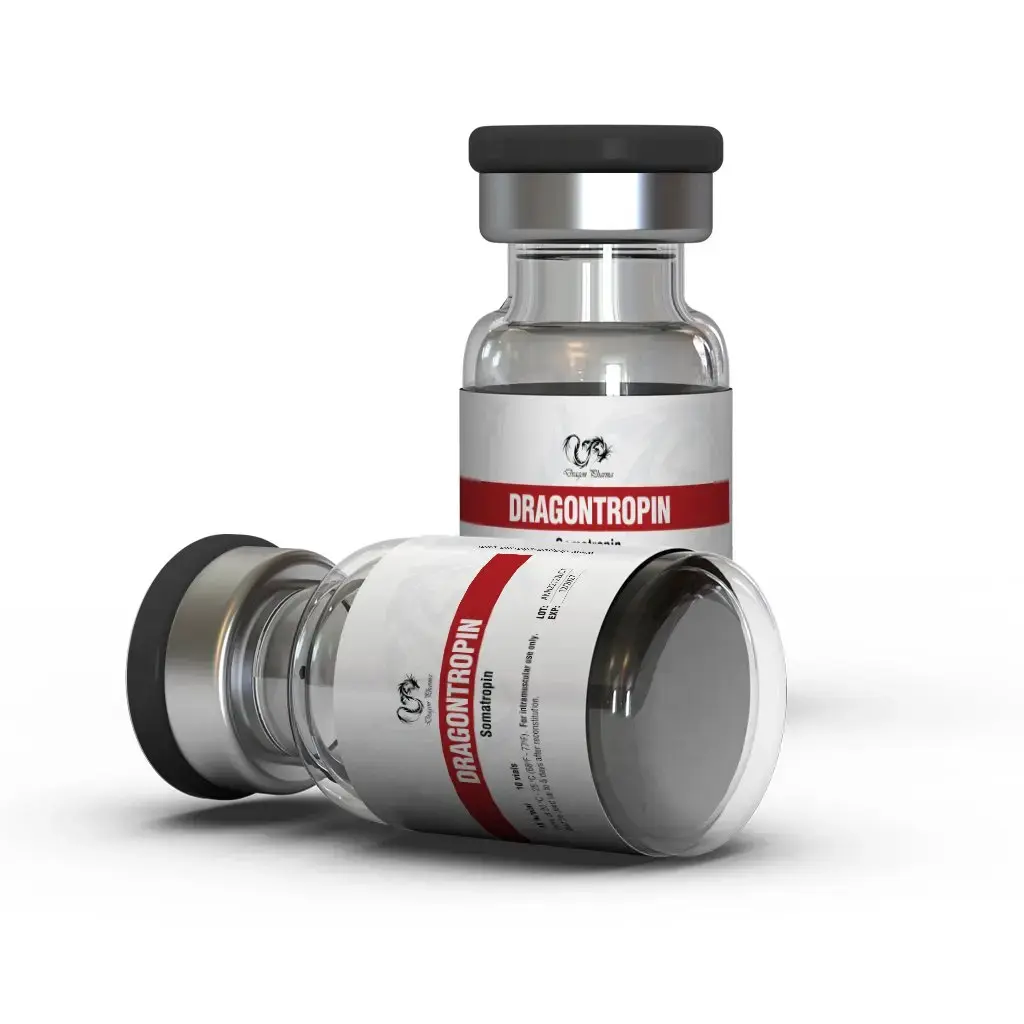
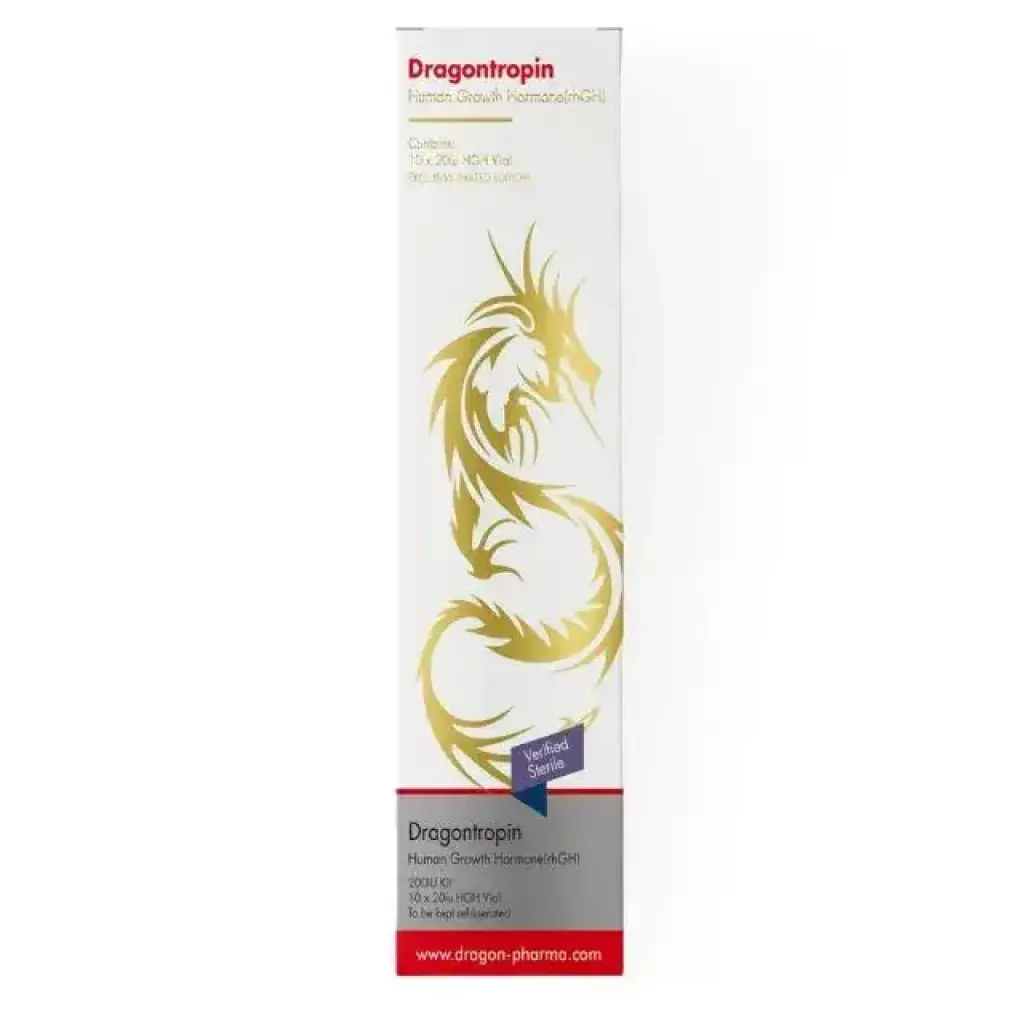
Dragontropin HGH is a lyophilized somatropin (recombinant human growth hormone) product manufactured by Dragon Pharma, supplied as 10 or 20 IU per 2 mL vial in a 10-vial kit.
Dragontropin HGH contains somatropin, a recombinant human growth hormone identical to endogenous pituitary growth hormone. Somatropin is a 191-amino-acid polypeptide that binds to growth hormone receptors in the liver and peripheral tissues, triggering IGF-1 synthesis as the primary mediator of its anabolic effects. This pathway stimulates protein synthesis, lipolysis, and cartilage and bone growth at the epiphyses. In adults, growth hormone maintains lean mass and bone density.
In medical practice, somatropin is approved for growth hormone deficiency in children and adults, Turner syndrome, chronic kidney disease in children with growth failure, Prader-Willi syndrome, SHOX deficiency, and idiopathic short stature meeting specific criteria. The FDA-approved labeling for somatropin products includes a comprehensive list of potential adverse reactions: intracranial hypertension, fluid retention, hypoadrenalism, hypothyroidism, slipped capital femoral epiphysis in pediatric patients, progression of preexisting scoliosis, pancreatitis, and hyperglycemia.
In non-medical bodybuilding contexts, growth hormone is commonly referenced for its effects on fat loss, recovery, and lean tissue accrual. Controlled studies in recreational athletes show that growth hormone increases lean mass by approximately 2.7 kg and reduces fat mass by 1.4 kg over 8 weeks of daily injections. However, these same studies found no significant effects on maximal VO2 consumption, dead lift, or jump height. A second study using higher doses (4.6 mg/day) found no significant effect on muscle mass or maximal VO2 at all. Dragontropin HGH is not FDA-approved for athletic performance enhancement, and growth hormone is prohibited by WADA.
Dragontropin HGH is supplied as a lyophilized powder in a 2 mL vial, requiring reconstitution with bacteriostatic water before use. Lyophilized formulation extends shelf stability compared to liquid preparations. Once reconstituted, the solution should be refrigerated at 2–8°C and used within approximately 3 weeks.
Somatropin is a recombinant human growth hormone that binds GH receptors and triggers IGF-1 synthesis, supporting protein synthesis, lipolysis, and lean tissue maintenance.
Somatropin is identical to endogenous pituitary growth hormone and is produced through recombinant DNA technology. It binds receptors in the liver and peripheral tissues, triggering IGF-1 synthesis as the main mediator of its anabolic effects. Growth hormone directly stimulates cartilage and bone growth at the epiphyses, increases protein synthesis, and promotes lipolysis.
The pharmacokinetic profile of somatropin following subcutaneous injection shows a half-life of 2–3 hours, while the IGF-1 effect persists for approximately 24 hours. This extended downstream activity explains why growth hormone effects accumulate with daily dosing despite the short circulating half-life of the parent hormone.
Somatropin therapy requires close monitoring to prevent side effects including insulin resistance and metabolic complications. IGF-1 levels are typically assessed 1–2 months after starting or changing a dose, then every 6–12 months. Fasting glucose should be monitored every 6–12 months, and thyroid and cortisol function should be screened because somatropin can mask secondary thyroid and adrenal insufficiency.
Somatropin has a circulating half-life of 2–3 hours after subcutaneous injection, but IGF-1 effects persist for 24 hours. This means daily dosing produces cumulative effects despite rapid clearance of the parent hormone.
Dragon Pharma offers a range of research peptides and compounds relevant to growth hormone and recovery research. Dragontropin HGH is positioned as a direct somatropin product, distinct from growth hormone secretagogues that stimulate endogenous GH release.
For research focused on endogenous GH stimulation, Dragon Pharma offers CJC-DAC and CJC 1295 No DAC/Ipamorelin, which work through GHRH and ghrelin receptor pathways rather than providing exogenous hormone. For IGF-1-related research, IGF-1 LR3 is also available.
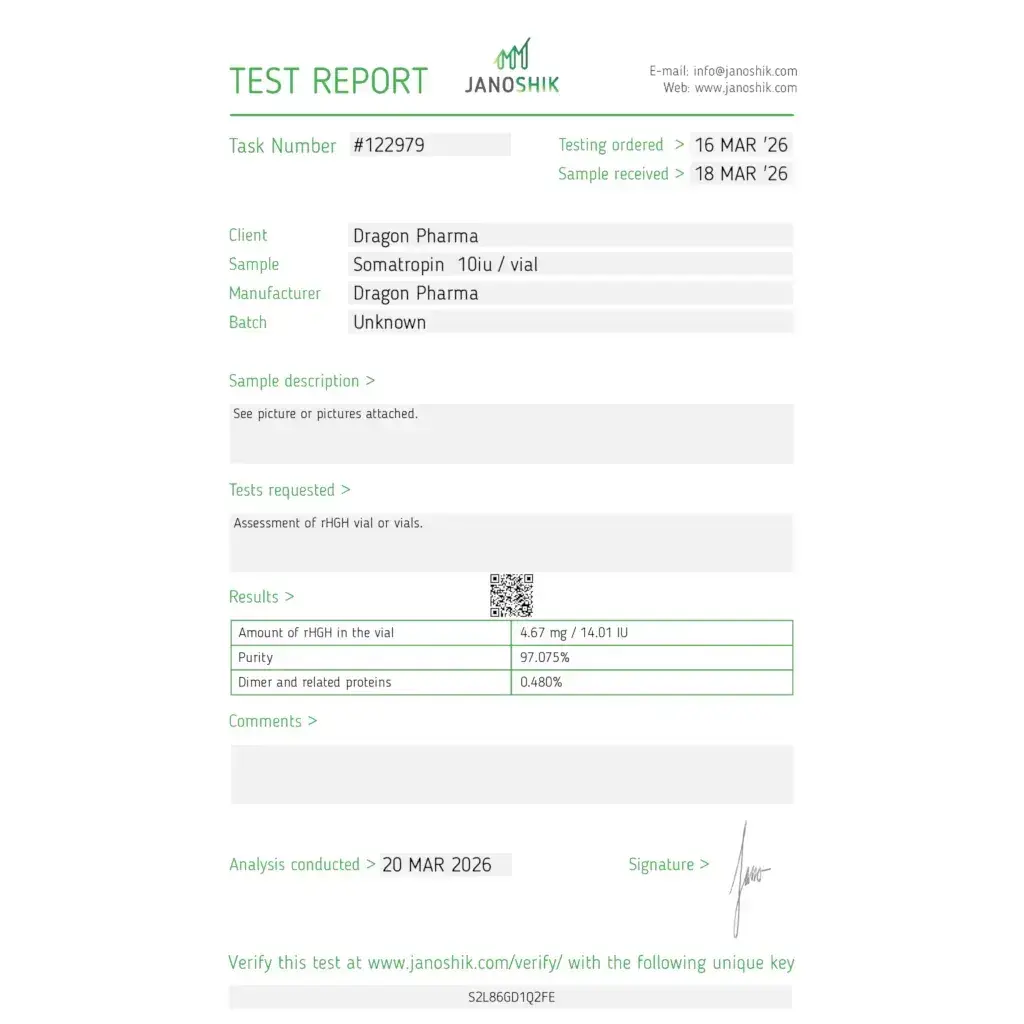
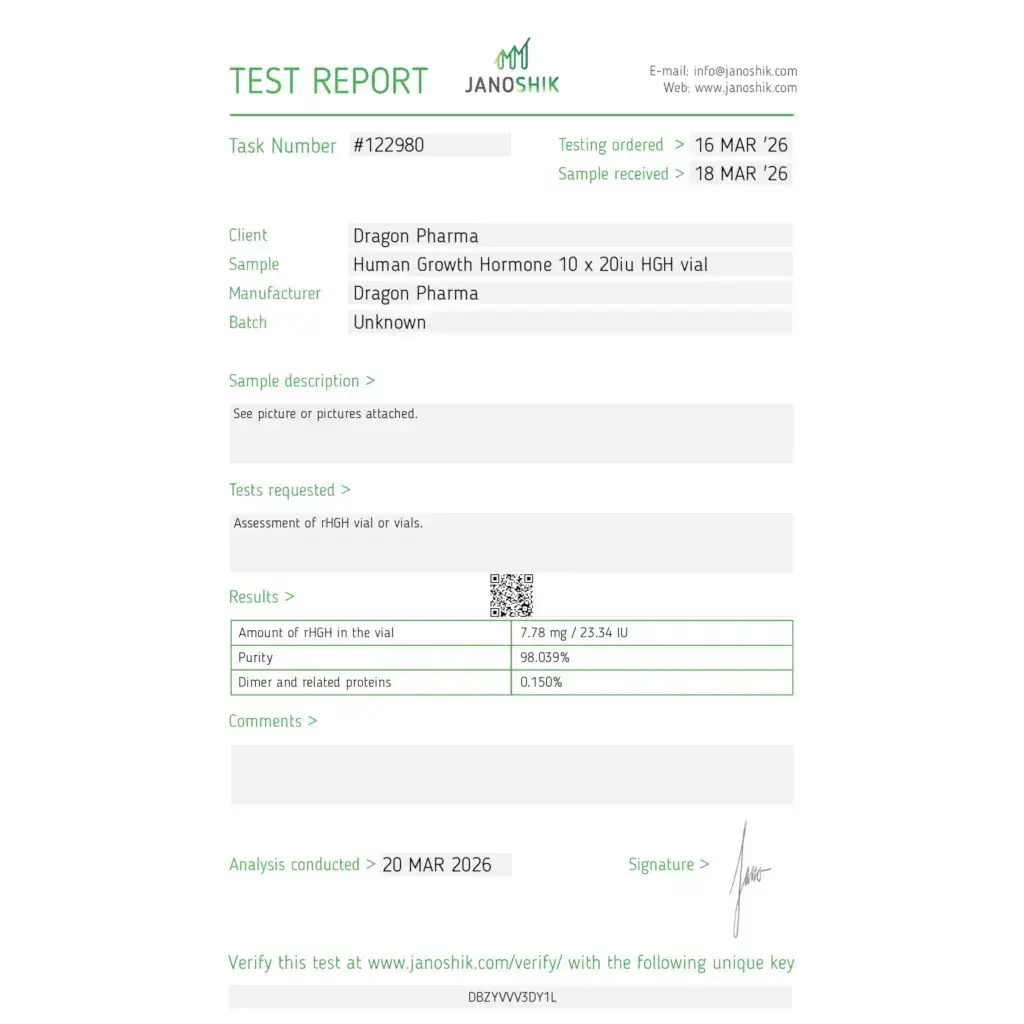
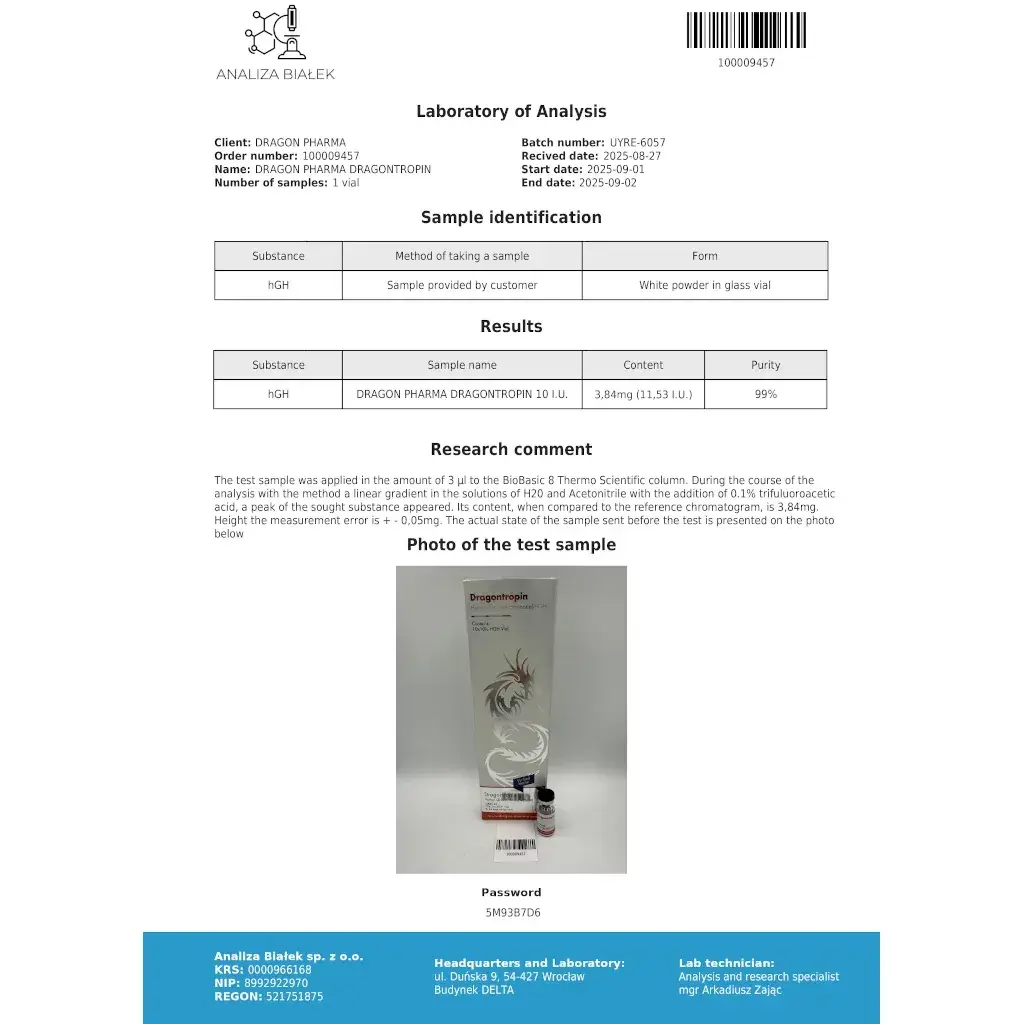
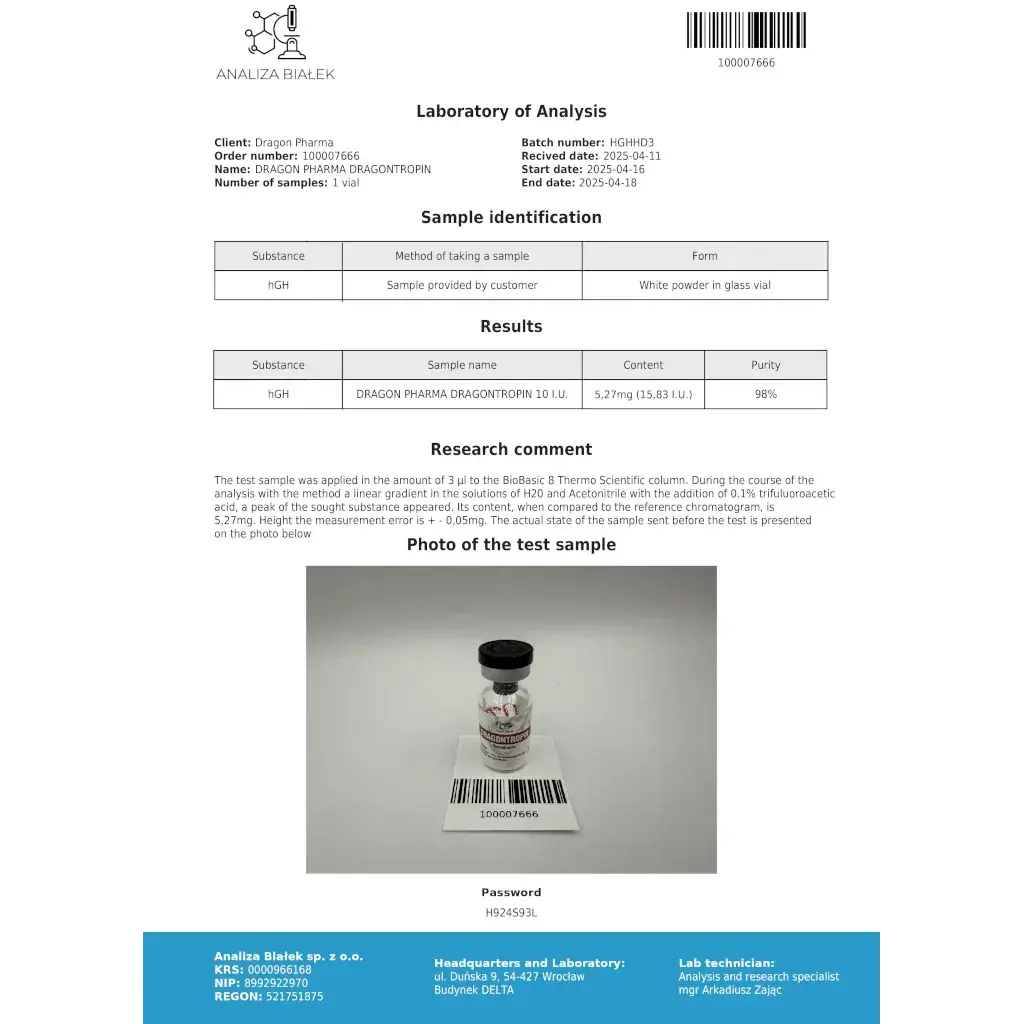
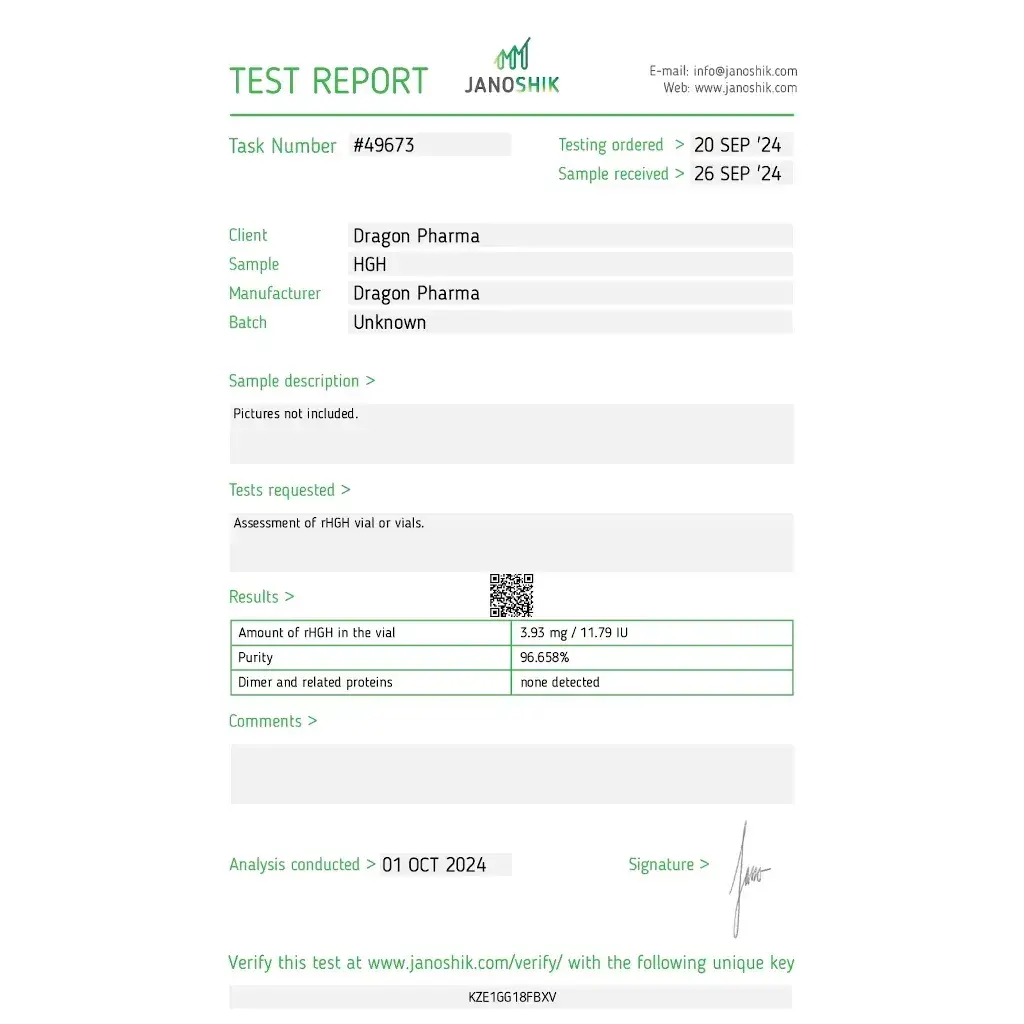
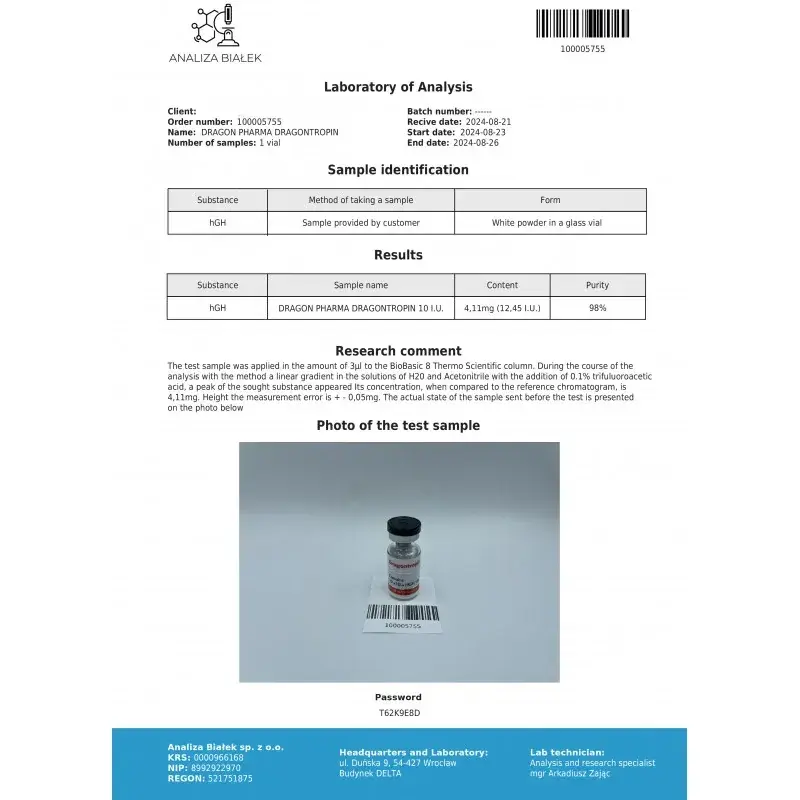
Published laboratory reports for Dragontropin HGH are shown below with the test date, measured content, and IU equivalent.
 View Report
 View Report
 View Report
 View Report
 View Report
 View Report
Laboratory results apply to the specific tested sample represented in each published report and should not be interpreted as a measurement of every vial or production batch.
The information below is provided for educational reference only. Somatropin is a prescription medication; medical use requires appropriate diagnosis, clinical supervision and ongoing monitoring. Non-medical use falls outside approved indications.
In medical practice, adult growth hormone deficiency is treated with a starting dose of 0.15–0.3 mg per day, with gradual titration guided by IGF-1 levels. Pediatric dosing is weight-based at 0.025–0.05 mg/kg/day. In non-medical bodybuilding contexts, community references describe a starting dose of 2 IU per day for the first two weeks, increasing to 4 IU per day for a typical bodybuilding protocol. More advanced users may reference 6–8 IU daily, while doses above 8 IU are generally reserved for experienced users.
| Use Case | Common Reference Range | Frequency |
|---|---|---|
| Medical (adult GHD) | 0.15–0.3 mg/day | Once daily, SC |
| Medical (pediatric GHD) | 0.025–0.05 mg/kg/day | Daily, SC |
| Bodybuilding (non-medical, starting) | 2 IU | Once daily, SC |
| Bodybuilding (non-medical, standard) | 4 IU | Once daily, SC |
Community doses are referenced from non-medical discussions and are not supported by clinical evidence for athletic performance. Growth hormone is prohibited by WADA.
In non-medical bodybuilding contexts, growth hormone is sometimes referenced alongside anabolic steroids, with controlled research showing that GH plus testosterone increased lean mass by 5.8 kg compared to 2.4 kg with testosterone alone. The same study found that GH alone had only marginally significant effects on anaerobic sprint capacity, and no significant effects on maximal VO2, dead lift, or jump height.
For research focused on endogenous GH stimulation rather than exogenous hormone, Dragon Pharma offers CJC-DAC and CJC 1295 No DAC/Ipamorelin. These secretagogues work through different mechanisms and carry different risk profiles.
Common adverse reactions reported in FDA labeling for somatropin products include injection site reactions, headaches, peripheral edema, arthralgia, myalgia, carpal tunnel syndrome, hypothyroidism, hyperglycemia, and impaired glucose tolerance. In adult GHD patients, edema or peripheral edema was reported in 41% of GH-treated patients compared to 25% of placebo-treated patients.
Intracranial hypertension has been reported, usually within 8 weeks of initiation. Fundoscopic examinations should be performed prior to initiation and periodically thereafter. Fluid retention is dose-dependent and may occur in adults. Insulin resistance with elevated glucose is a known effect, and fasting glucose should be monitored every 6–12 months.
There are significant safety concerns about the long-term risk for cancer following GH administration. Even standard therapeutic GH doses administered to GH-deficient children are associated with increased risk for second cancers in some follow-up studies, though these risks appear largely confined to survivors of childhood cancers. The long-term risks of much higher GH doses used illicitly by athletes must be viewed with significant concern.
Growth hormone is not part of standard post-cycle therapy, which focuses on restoring endogenous testosterone production. PCT compounds such as Clomid and Nolvadex address the hypothalamic-pituitary-gonadal axis rather than growth hormone secretion. Growth hormone does not suppress the HPTA and therefore does not require PCT in the same sense as anabolic steroids.
Dosing strategies and support protocols should be adjusted based on experience level and bloodwork where possible. The information above is for educational reference and does not constitute medical advice. Growth hormone is prohibited by WADA for athletes.
Somatropin is a prescription medication that can affect glucose metabolism, fluid balance, and multiple organ systems. Medical use requires appropriate diagnosis, clinical supervision and ongoing monitoring.
Somatropin is indicated for specific medical conditions including growth hormone deficiency, Turner syndrome, Prader-Willi syndrome, and idiopathic short stature meeting defined criteria. Prescribing it outside pediatrics and confirmed adult deficiency is prohibited in the US, EU, and Russia. The Endocrine Society 2019, AACE 2019, and SEEN 2022 explicitly state that in people with normal GH secretion the drug does not work as a rejuvenator; the Rudman 1990 study cited by sellers showed transient lean-mass gain alongside edema, insulin resistance, and tumor risk.
Non-medical use of somatropin for muscle growth, fat loss, or performance enhancement is not approved by regulatory agencies and may carry additional health risks. Product quality does not establish that non-medical use is safe or appropriate. Growth hormone is prohibited by WADA in sport.
Common adverse reactions reported in adult and pediatric patients include upper respiratory infection, fever, pharyngitis, headache, otitis media, edema, arthralgia, paresthesia, myalgia, carpal tunnel syndrome, peripheral edema, flu syndrome, hypothyroidism, hyperglycemia, and impaired glucose tolerance.
Intracranial hypertension has been reported, usually within 8 weeks of initiation. Fundoscopic examinations should be performed prior to initiation and periodically thereafter. If papilledema occurs, treatment should be stopped. Fluid retention may occur in adults and may be dose dependent. Hypoadrenalism and hypothyroidism require monitoring; patients treated with glucocorticoids for hypoadrenalism may require an increase in maintenance or stress doses following initiation of somatropin.
Slipped capital femoral epiphysis may occur in pediatric patients; patients with onset of a limp or hip/knee pain should be evaluated. Progression of preexisting scoliosis should be monitored. Pancreatitis has been reported.
There are significant safety concerns about the long-term risk for cancer following GH administration. Even standard therapeutic GH doses administered to GH-deficient children are associated with increased risk for second cancers in some follow-up studies. The long-term risks of much higher GH doses used illicitly by athletes must be viewed with significant concern.
Contraindications for somatropin include hypersensitivity to somatropin or excipients, active malignancy, closed epiphyses for growth indication in children, acute critical illness (post-cardiac surgery, severe trauma, respiratory failure), proliferative diabetic retinopathy, and Prader-Willi syndrome with severe obesity or respiratory failure.
IGF-1 should be monitored 1–2 months after start or dose change, then every 6–12 months. In children, growth velocity should be assessed every 3–6 months, and hand X-ray for bone age yearly. Fasting glucose should be checked every 6–12 months. TSH and cortisol should be screened for secondary thyroid and adrenal insufficiency, as somatropin can mask these conditions.
Store lyophilized powder at 2–8°C (36–46°F) before reconstitution. After mixing, use the medicine within 3 weeks and store the vial in a refrigerator at 2–8°C after each use. Do not use if the medicine is cloudy or contains particles; the medicine must be clear and colorless after mixing. Keep all medications out of the reach of children.
Dragontropin HGH is supplied through the official Dragon Pharma distribution chain and shipped in original manufacturer packaging with discreet, privacy-focused handling.
The outer shipping package remains discreet, with privacy-focused handling and no unnecessary external product details. Products are supplied through the official Dragon Pharma distribution chain.
To verify your Dragontropin HGH product, use the security code on the packaging and cross-check it on the Dragon Pharma official site. Official Dragon Pharma presentation, batch-linked lab proof, and original packaging help reinforce product legitimacy and buyer confidence.
Proper storage conditions help preserve somatropin integrity and stability throughout shelf life.
Store lyophilized powder at 2–8°C (36–46°F) before reconstitution. After mixing, use the medicine within 3 weeks and store the vial in a refrigerator at 2–8°C after each use. Do not freeze the reconstituted solution. Protect from light and excessive heat.
Do not use if the medicine is cloudy or contains particles; the medicine must be clear and colorless after mixing. Keep out of reach of children.
Answers to common questions about Dragontropin HGH, somatropin, dosing, product strength, and laboratory testing.
Dragontropin HGH contains somatropin, a recombinant human growth hormone. In medical practice it is used for growth hormone deficiency in children and adults, Turner syndrome, chronic kidney disease in children with growth failure, Prader-Willi syndrome, and idiopathic short stature meeting specific criteria. In non-medical bodybuilding contexts it is sometimes referenced for fat loss and recovery, though such use falls outside approved indications.
Somatropin is typically administered once daily by subcutaneous injection. In medical practice, the weekly dose is divided over 6 or 7 days of injections. Community references for non-medical use describe starting at 2 IU daily and increasing to 4 IU daily. The FDA labeling notes that evening injections better imitate the physiological diurnal pattern of GH secretion, though research shows sleep-wake patterns are not affected by injection timing.
Growth hormone does not suppress the hypothalamic-pituitary-testicular axis in the same way anabolic steroids do, so it does not require PCT in the traditional sense. PCT compounds such as Clomid and Nolvadex address testosterone recovery rather than growth hormone. If a cycle included anabolic steroids, standard PCT for the androgens should be run.
Somatropin is identical to endogenous pituitary growth hormone. It binds receptors in the liver and peripheral tissues, triggering IGF-1 synthesis as the main mediator of its anabolic effects. It stimulates cartilage and bone growth at the epiphyses, increases protein synthesis, and promotes lipolysis. In adults it maintains lean mass and bone density.
Somatropin has a half-life of 2–3 hours after subcutaneous injection, while the IGF-1 effect persists for approximately 24 hours. This means effects accumulate with daily dosing. In controlled studies, lean mass increases of 2.7 kg were observed over 8 weeks of daily injections. Body composition changes typically develop over weeks to months of consistent use.
Somatropin is the active pharmaceutical ingredient in all recombinant human growth hormone products. Different brands may have different formulations, concentrations, and delivery devices, but the active hormone is the same. The appropriateness of any growth hormone product depends on the clinical context and individual factors.
Dragontropin HGH provides exogenous somatropin directly, while CJC-DAC is a GHRH analog that stimulates the body's own growth hormone release. Exogenous somatropin produces direct GH elevation regardless of pituitary function, while secretagogues depend on a responsive pituitary. The two approaches have different mechanisms and risk profiles.
Dragontropin HGH provides somatropin, which triggers IGF-1 synthesis as a downstream mediator. IGF-1 LR3 provides a long-acting IGF-1 analog directly, bypassing the need for growth hormone. The two compounds work at different points in the GH/IGF-1 axis and have different pharmacokinetics and risk profiles.
In medical practice, adult growth hormone deficiency is treated with 0.15–0.3 mg per day, which corresponds to approximately 0.45–0.9 IU per day. Community references for non-medical bodybuilding use describe 4 IU daily as a standard dose, with 2 IU as a starting dose. The 4 IU community dose is significantly higher than replacement therapy doses.
Dragontropin HGH is available in 10 IU and 20 IU vial strengths. It is supplied as a 1 kit containing 10 x 2 mL vials, giving 100 IU or 200 IU total content per kit depending on the vial strength selected.
Yes. Published laboratory reports include one dated March 20, 2026 measuring the 20 IU vial at 7.78 mg (23.34 IU), and another dated the same day measuring the 10 IU vial at 4.67 mg (14.01 IU). Additional reports from 2024 and 2025 show measured values ranging from 11.53 IU to 15.83 IU. Complete reports can be viewed in the Lab Reports tab.
There are significant safety concerns about the long-term risk for cancer following GH administration. Even standard therapeutic GH doses administered to GH-deficient children are associated with increased risk for second cancers in some follow-up studies, though these risks appear largely confined to survivors of childhood cancers. The long-term risks of much higher GH doses used illicitly by athletes must be viewed with significant concern.