Important Safety Information
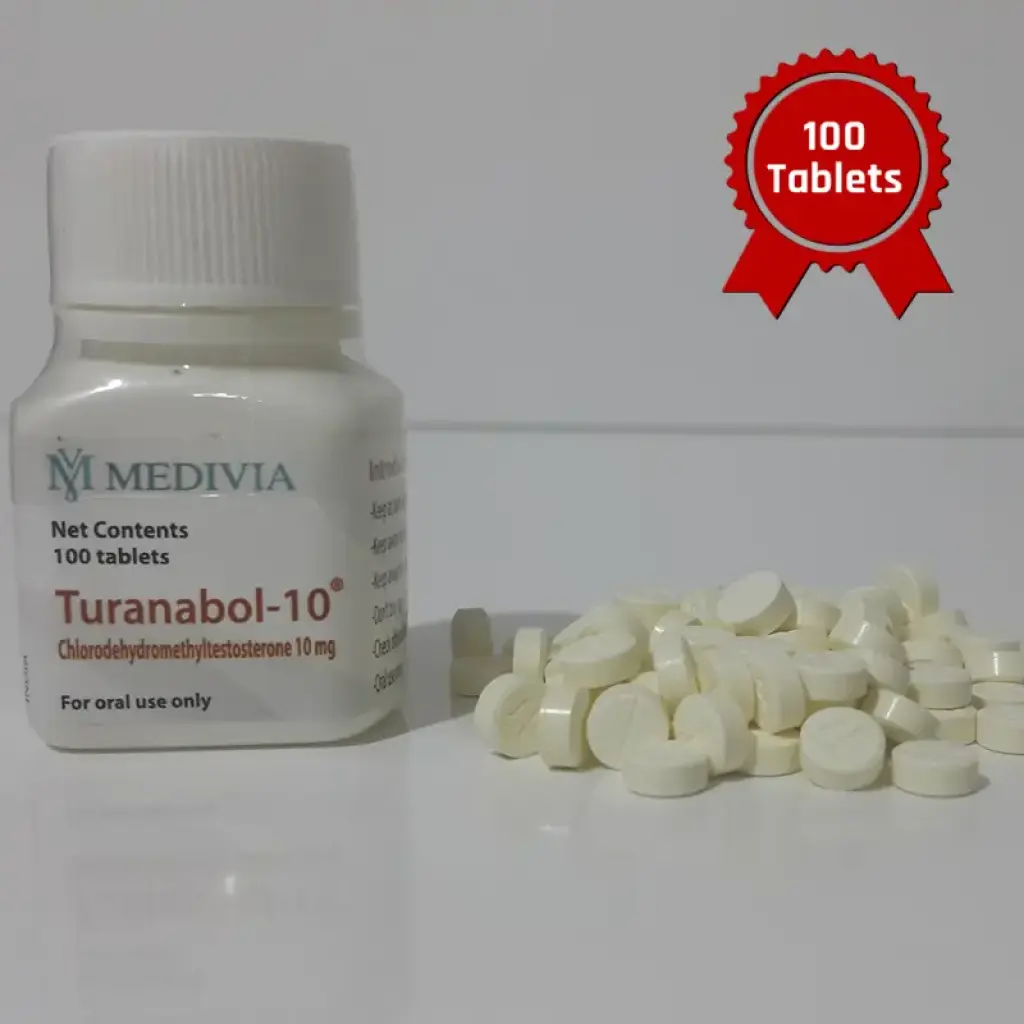
4-Chlorodehydromethyltestosterone is hepatotoxic as a 17-alpha-alkylated anabolic steroid. It cannot be easily broken down in the liver, and prolonged use or high doses can lead to liver damage . Although some studies show liver enzymes to stay within normal ranges on a dose of ten milligrams per day, users should keep usage limited to about six weeks to avoid liver damage .
The compound can cause blood lipid changes known to increase cardiovascular risk, including decreased HDL and potentially increased LDL cholesterol . It can also lower the blood's ability to clot, so special caution should be taken when using this steroid .
Important
Non-Medical Use
4-Chlorodehydromethyltestosterone is prohibited in sports at all times and is classified as a Schedule III controlled substance in the United States . Its use for bodybuilding or performance enhancement falls outside approved medical indications and is associated with significant health risks, including liver toxicity and cardiovascular effects.
Potential Adverse Effects
Commonly reported side effects of 4-Chlorodehydromethyltestosterone include mild acne, gas, indigestion, elevated liver enzymes, and diminished production of luteinizing hormone and natural testosterone . Androgenic alopecia is possible with higher doses (greater than 40 mg/day) . Erectile dysfunction may be present when used alone despite a functional sex drive .
4-Chlorodehydromethyltestosterone suppresses endogenous testosterone production, which can lead to testicular atrophy and reduced sperm production . In women, virilization effects such as voice deepening, hirsutism, and clitoral enlargement may occur and can be irreversible .
Conditions Requiring Medical Evaluation
4-Chlorodehydromethyltestosterone is contraindicated in pregnancy and in patients with pre-existing elevated liver enzymes, hepatic disease, or heavy alcohol use . It should be used with caution in patients with cardiovascular disease, lipid issues, or other medical conditions .
Individuals planning to have children should discuss potential fertility effects with a healthcare professional. 4-Chlorodehydromethyltestosterone has been associated with adverse cardiovascular side effects in long-term abuse cases .
Monitoring During Therapy
Medical use of 4-Chlorodehydromethyltestosterone would typically involve periodic liver function tests due to the hepatotoxicity associated with 17-alpha-alkylated androgens . Lipid profiles and hemoglobin/hematocrit may also be monitored. Blood glucose should be monitored in diabetic patients.
Laboratory testing of the product itself, such as a published potency report, is separate from clinical monitoring of the person using 4-Chlorodehydromethyltestosterone. No published laboratory report is available for this specific product.
Product Care
Storage & Handling
Store in the original packaging, protected from excessive heat, moisture and direct light. Keep all medications out of the reach of children. Follow the storage instructions provided with the product packaging.
Further Safety Information