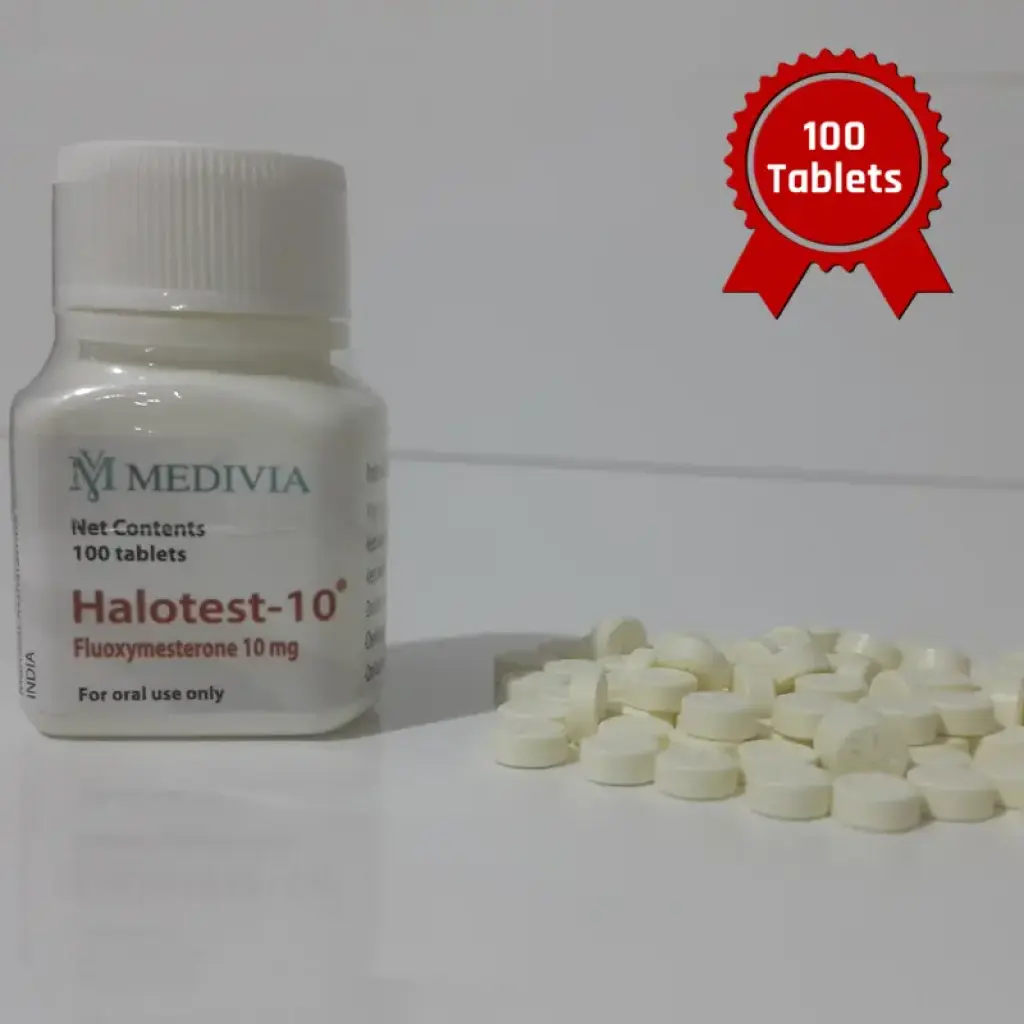
Important Safety Information
Fluoxymesterone carries warnings for hepatic adenomas, hepatocellular carcinoma, and peliosis hepatis with prolonged use of 17-alpha-alkylated androgens. Cholestatic hepatitis and jaundice may occur with 17-alpha-alkylated androgens; should this occur, the drug should be discontinued. This is reversible with discontinuation of the drug.
Anabolic steroids, including fluoxymesterone, can cause blood lipid changes known to increase the risk of atherosclerosis, including decreased HDL and sometimes increased LDL cholesterol. These changes may be marked and could have a serious impact on cardiovascular risk.
Important
Non-Medical Use
Fluoxymesterone's approved indications are limited to specific medical conditions involving male hypogonadism, delayed puberty, and breast cancer in women. The FDA labeling states that this drug has not been shown to be safe and effective for the enhancement of athletic performance and should not be used for such purpose. Use for bodybuilding or performance enhancement falls outside approved medical indications and is associated with significant health risks, including liver toxicity and cardiovascular effects.
Potential Adverse Effects
Commonly reported side effects of fluoxymesterone include acne, edema, breast soreness, priapism, menstrual irregularities, and virilization. More serious adverse effects include liver toxicity (cholestatic hepatitis, jaundice, peliosis hepatis, and liver tumors), lipid profile changes, and suppression of clotting factors.
In women, virilization effects such as deepening of the voice, hirsutism, acne, and clitoromegaly may occur. Some virilizing changes are irreversible even after discontinuation. In men, fluoxymesterone can suppress endogenous testosterone production, leading to testicular atrophy and reduced sperm production.
Conditions Requiring Medical Evaluation
Fluoxymesterone is contraindicated in patients with known hypersensitivity to the drug, males with carcinoma of the breast, males with known or suspected carcinoma of the prostate gland, women known or suspected to be pregnant, and patients with serious cardiac, hepatic or renal disease.
Fluoxymesterone should be used with caution in patients with pre-existing cardiac, renal, or hepatic disease, as edema with or without congestive heart failure may be a serious complication. Patients with diabetes may require adjustment of insulin or oral hypoglycemic dosage.
Monitoring During Therapy
Medical fluoxymesterone therapy typically involves periodic liver function tests due to the hepatotoxicity associated with 17-alpha-alkylated androgens. Lipid profiles and hemoglobin/hematocrit should also be monitored periodically during therapy.
Laboratory testing of the product itself, such as a published potency report, is separate from clinical monitoring of the person using fluoxymesterone. No published laboratory report is available for this specific product.
Product Care
Storage & Handling
Store in the original packaging, protected from excessive heat, moisture and direct light. Keep all medications out of the reach of children. Follow the storage instructions provided with the product packaging.
Further Safety Information