Important Safety Information
Ephedrine is contraindicated in patients with cardiovascular disease, diabetes, hyperthyroidism, hypertension, pheochromocytoma, and psychotic conditions. It should not be administered during anesthesia with halothane or cyclopropane due to risk of serious arrhythmias.
The FDA banned dietary supplements containing ephedrine alkaloids in 2004 after determining that these products represent an unacceptable health risk. Even in relatively low doses and short-term use, ephedra has been linked to harmful effects like high blood pressure, heart attack, seizure, stroke, and psychosis.
Important
Non-Medical Use
Ephedrine's approved medical indication is limited to the treatment of clinically significant hypotension in the setting of anesthesia. Use for weight loss, athletic performance, or physique enhancement falls outside approved medical indications and is associated with documented serious health risks. Product potency verification does not establish that non-medical use is safe.
Potential Adverse Effects
The CNS-stimulating effects of ephedrine may result in nervousness, anxiety, apprehension, fear, tension, agitation, excitation, restlessness, weakness, irritability, talkativeness, or insomnia. Dizziness, lightheadedness, and vertigo may occur, especially with large doses. Large parenteral doses may cause confusion, delirium, hallucinations, or euphoria.
Cardiovascular effects include increased heart rate and blood pressure. Repeated administration of ephedrine may cause tachyphylaxis, meaning the therapeutic response diminishes with continued use. Ephedrine may also interact with numerous medications, including MAO inhibitors, cardiac glycosides, and oxytocic drugs.
Conditions Requiring Medical Evaluation
Ephedrine is not appropriate for everyone. Medical evaluation should consider cardiovascular status, as ephedrine increases heart rate and blood pressure. Patients with angle-closure glaucoma, prostate hypertrophy, renal impairment, or diabetes should use ephedrine with caution.
Ephedrine crosses the placental barrier, and monitoring of newborns for signs of metabolic acidosis may be required following maternal exposure. Ephedrine is present in human milk.
Monitoring During Therapy
Medically supervised ephedrine use typically involves monitoring of blood pressure and heart rate. For non-medical use, monitoring of cardiovascular parameters may help inform dosing decisions, though this should be done in consultation with healthcare professionals where possible.
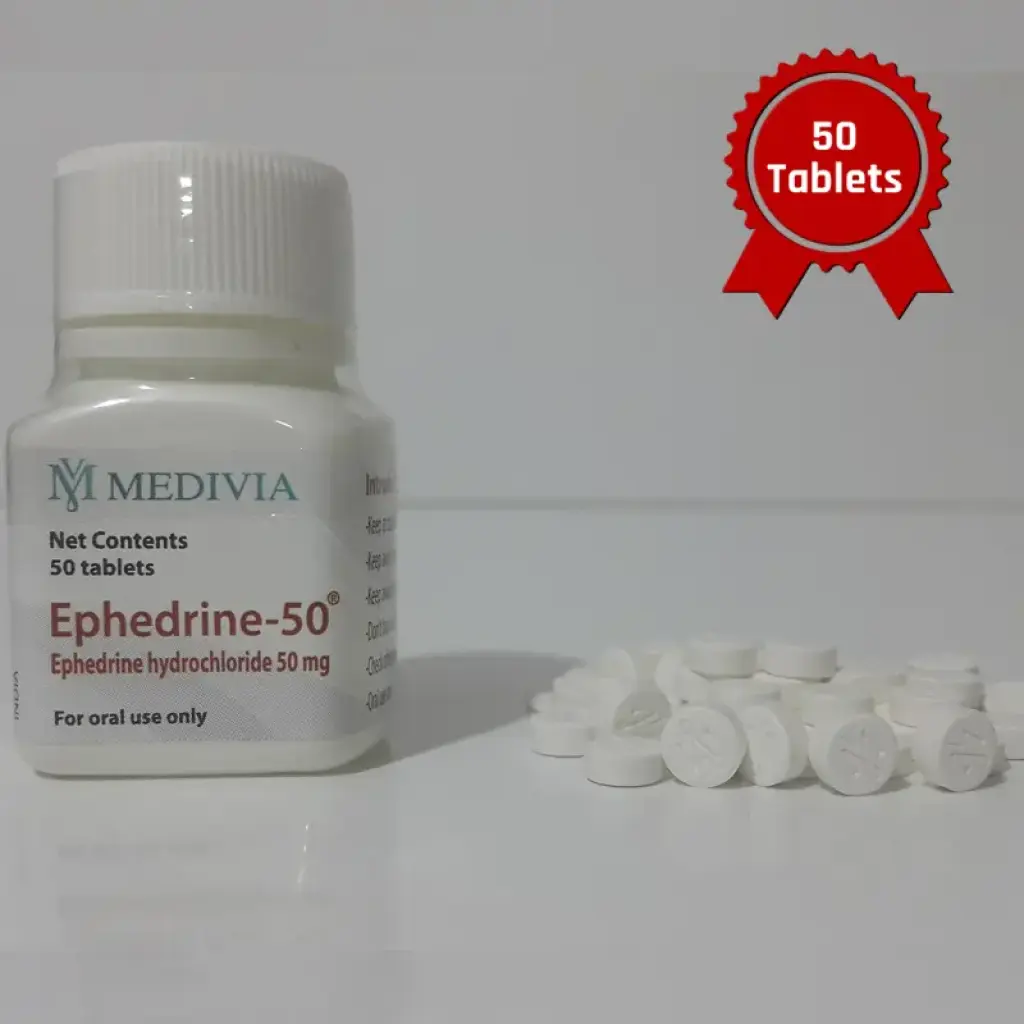
Laboratory testing of the product itself, such as a published potency report, is separate from clinical monitoring of the person using ephedrine. No published laboratory report is available for this specific product.
Product Care
Storage & Handling
Store in the original packaging, protected from excessive heat, moisture and direct light. Keep all medications out of the reach of children. Follow the storage instructions provided with the product packaging.
Further Safety Information