Important Safety Information
Nandrolone decanoate is FDA-approved for the management of anemia of renal insufficiency. The FDA label states that this drug has not been shown to be safe and effective for the enhancement of athletic performance and should not be used for such purpose due to the potential risk of serious adverse health effects.
Anabolic steroids suppress the gonadotropic functions of the pituitary and may exert a direct effect upon the testis, which can affect fertility and endogenous hormone production.
Important
Non-Medical Use
Higher-than-physiologic exposure to anabolic steroids can carry additional health risks. Product concentration and laboratory verification do not establish that non-medical use is safe or appropriate for an individual. The FDA label explicitly warns against athletic performance use.
Potential Adverse Effects
The FDA label for nandrolone decanoate includes a boxed warning for peliosis hepatis, a condition in which liver and sometimes splenic tissue is replaced with blood-filled cysts, which can be life-threatening. Liver cell tumors have also been reported.
Anabolic steroids including nandrolone have been associated with blood lipid changes known to increase the risk of atherosclerosis, including decreased high-density lipoprotein and sometimes increased low-density lipoprotein. Edema may occur occasionally, with or without congestive heart failure.
In women, virilization signs such as deepening of the voice, hirsutism, acne, and menstrual irregularities may occur and may be irreversible. Nandrolone decanoate can increase hematocrit and hemoglobin, and periodic monitoring is recommended for patients receiving high doses.
Conditions Requiring Medical Evaluation
Caution is required in administering nandrolone decanoate to patients with cardiac, renal, or hepatic disease. Hypercalcemia may develop in certain clinical contexts, and cholestatic jaundice is associated with therapeutic use of anabolic and androgenic steroids.
Existing cardiovascular disease, urinary or prostate symptoms, abnormal blood counts, and other medical conditions should be discussed with a qualified healthcare professional.
Monitoring During Therapy
The FDA label recommends periodic hemoglobin and hematocrit checks for polycythemia in patients receiving high doses, periodic determination of serum lipids and high-density lipoprotein cholesterol, and liver function tests.
Laboratory testing of the product itself is separate from clinical monitoring of the person using the medication. Product testing does not assess individual health status or suitability for use.
Product Care
Storage & Handling
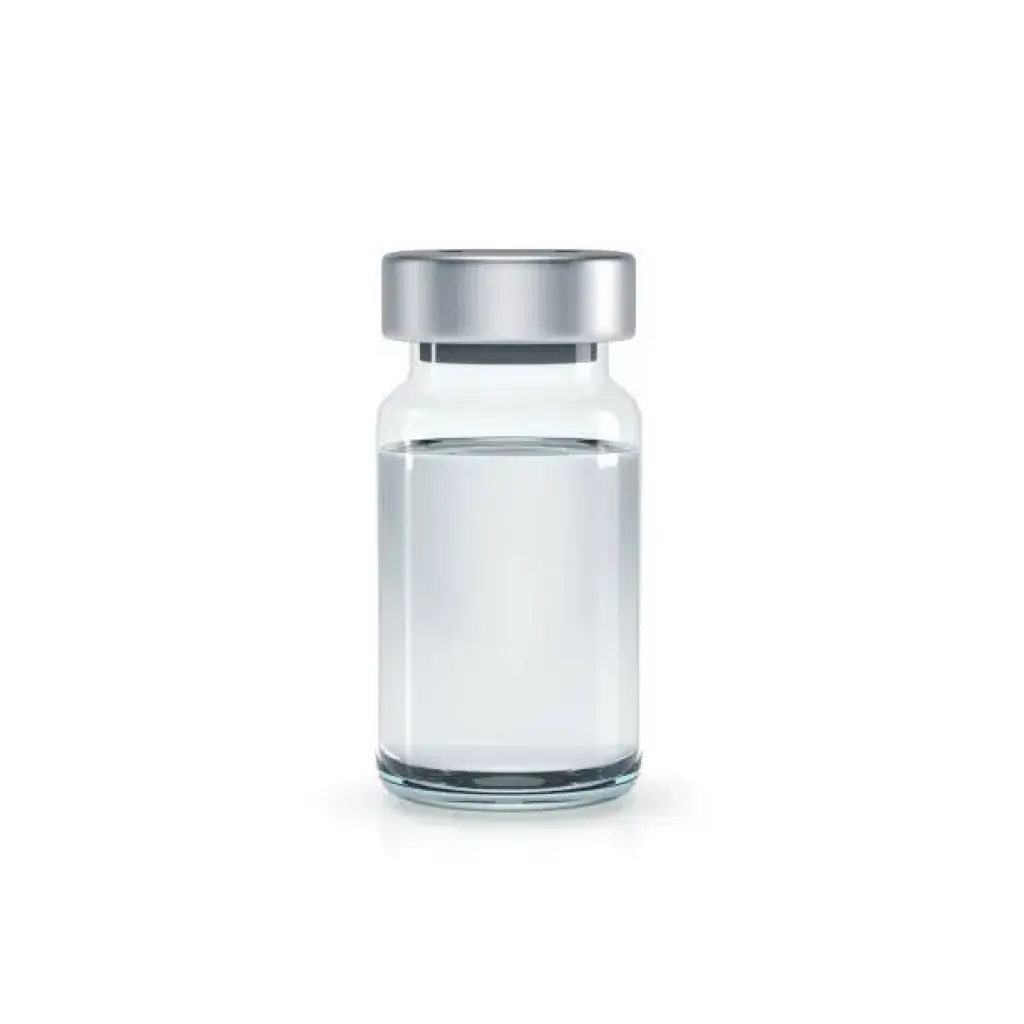
Keep the vial securely stored and protected from conditions that could compromise the product. Inspect the vial and solution before use and do not use a product that appears damaged, contaminated or otherwise abnormal.
Keep all medications and injectable products out of the reach of children.
Further Safety Information